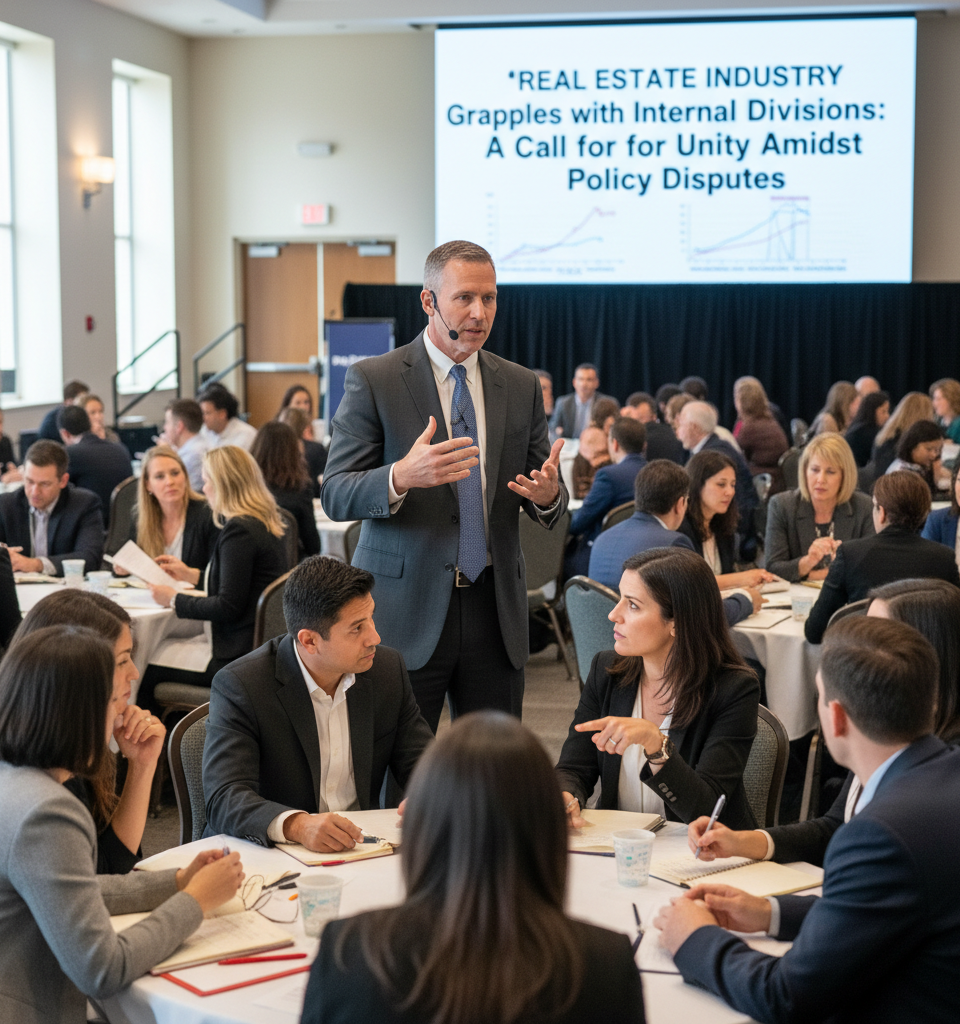
Amidst a period of significant policy shifts and market recalibrations within the real estate industry, acclaimed coach and author Darryl Davis has issued a poignant appeal, urging professionals to prevent corporate decisions from morphing into interpersonal hostility among agents. Davis's message, articulated this week, emphasizes that despite varied viewpoints on specific policies, the overarching objective of serving clients and fostering a robust market remains a universal goal that should transcend partisan divides within the brokerage community.
The Rising Tide of Internal Conflict
The real estate sector, historically characterized by a blend of fierce competition and collegial cooperation, has recently experienced heightened internal tensions. This friction often stems from divergent interpretations of new regulations, technological advancements, and evolving business models championed by major brokerages or industry associations. For instance, discussions surrounding commission structures, data sharing protocols, and the adoption of AI-driven tools have frequently ignited passionate debates, occasionally spilling over into acrimonious exchanges between agents and agencies. Davis's intervention underscores a growing concern that these legitimate policy debates are in danger of undermining the foundational unity required for the industry to collectively address external challenges and maintain public trust.
Key Factors Fueling Disagreement
Several factors contribute to these internal divisions. Economic pressures, particularly in fluctuating housing markets, can amplify anxieties, making agents more protective of their established practices and less receptive to change. Furthermore, the rise of large national franchises versus independent brokerages often creates a natural tension, as each strives to define the industry's future in a way that benefits its respective model. Davis points out that while healthy debate is essential for progress, the focus must remain on the strategic implications of policies rather than devolving into personal attacks or undermining the professional standing of colleagues. The inherent nature of commission-based work can also foster an 'every agent for themselves' mentality, making it challenging to cultivate a broader sense of solidarity.
Industry-Wide Ramifications
The internal strife has tangible ramifications for the broader real estate landscape. A fractured agent community can present a less cohesive front to consumers, potentially eroding public confidence. It can also hinder effective lobbying efforts for industry-beneficial legislation and delay the adoption of best practices that require collective buy-in. When agents view each other with suspicion rather than as fellow professionals, opportunities for collaboration on complex transactions, mentorship, and shared market intelligence are diminished. This ultimately limits the industry's capacity to innovate and adapt swiftly to changing market conditions, affecting everything from average transaction times to overall market efficiency.
Expert Insights on Collaboration
Industry analysts echo Davis's sentiments, emphasizing the strategic imperative of unity. Dr. Emily Carter, a real estate economist, recently noted, "While competition drives innovation, internal hostility breeds stagnation. The real estate industry needs a unified voice more than ever to navigate regulatory shifts and consumer expectations. A focus on shared professional standards and ethical conduct can bridge many of these divides." Experts suggest that fostering environments where differing opinions can be robustly debated without lapsing into personal attacks is crucial. This includes structured forums for discussion, emphasizing professional development that promotes industry-wide best practices, and leadership that actively models collaborative behavior rather than pitting segments of the agent community against each other.
Path Forward: Cultivating a Culture of Respect
Moving forward, the industry must actively cultivate a culture of mutual respect and shared purpose. This involves leadership from major associations and brokerages setting clear tones, encouraging constructive dialogue, and providing platforms for agents to engage on policy matters without fear of reprisal or personal condemnation. Training programs could also incorporate modules on conflict resolution and professional ethics, specifically addressing how to navigate disagreements within the agent community. The goal is not to eliminate debate—which is vital for growth—but to ensure it remains productive and focused on the collective advancement of the profession. As Davis succinctly puts it, "We are all working toward the same goals, even if our paths diverge on specific tactics."
Broader Implications and Future Outlook
The ability of the real estate sector to overcome these internal divisions will have long-term implications for its resilience and adaptability. As technological disruption continues and consumer demands evolve, a united front will be better positioned to advocate for favorable policy, innovate new services, and maintain its critical role in the economy. Failure to bridge these gaps could lead to further fragmentation, weakening the industry's ability to resist external pressures or capitalize on new opportunities. The coming months, particularly as new commission rule changes begin to take effect, will be a critical test of the industry's capacity for unity and collaborative problem-solving, underscoring the urgent relevance of Davis's message.