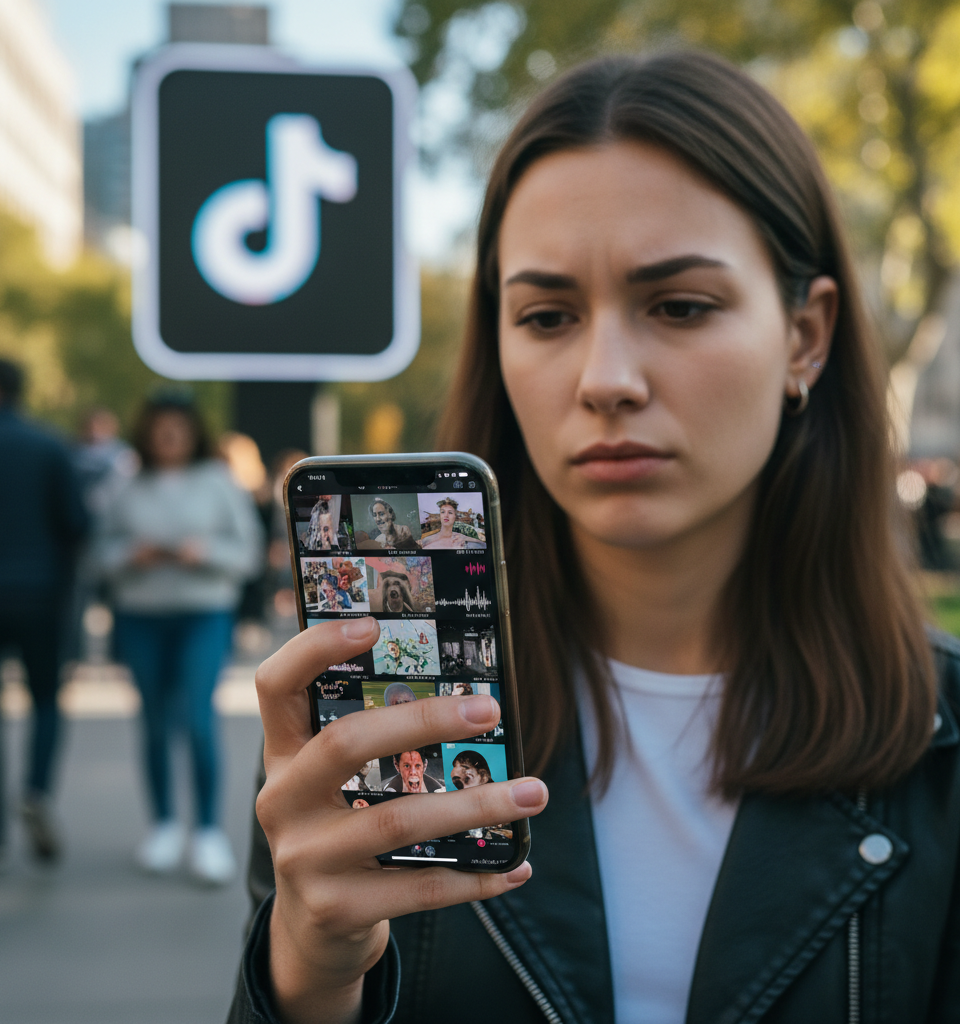
New data indicates that fresh TikTok accounts are encountering a significant volume of AI-generated content, often referred to as 'AI slop,' on their personalized 'For You' pages. A recent study conducted by Kapwing found that close to 60% of the videos recommended to newly registered users are characterized as AI-generated, suggesting a widespread presence of such content on the popular video-sharing platform.
The Rise of AI-Generated Content on TikTok
The findings from Kapwing highlight a growing concern regarding the proliferation of AI-generated media across major social media platforms. While YouTube has reportedly taken measures to curb the spread of such content, TikTok appears to be grappling with a more substantial issue, particularly for those wary of AI's pervasive influence. Kapwing's report explicitly states that "TikTok has a slop problem," underscoring the severity of the situation from their analytical perspective.
To arrive at these conclusions, Kapwing developed a systematic methodology. Researchers first compiled a list of popular content categories prevalent on TikTok. Subsequently, they manually analyzed videos within these categories, specifically targeting tags associated with AI-generated content. Any video identified as 'AI slop' through this process was meticulously documented. The final step involved the registration of new TikTok accounts to observe initial recommendations, thereby assessing the proportion of AI-generated content served to new users.
Methodology and Findings
The detailed analysis conducted by Kapwing involved a rigorous process of content identification and categorization. By focusing on specific tags and manually reviewing videos, the study aimed to provide a qualitative and quantitative assessment of AI-generated content. The high percentage—nearly 60%—of recommended videos being AI-generated on new accounts points to an aggressive integration or oversight of such content within TikTok's recommendation algorithms. This suggests that new users are immediately exposed to a significant stream of non-human-created videos, which could shape their initial perception and engagement with the platform.
Industry Implications and User Experience
This trend raises pertinent questions about content authenticity, user trust, and the overall quality of the user experience on TikTok. For users who prefer human-created content or are generally skeptical of AI, the current state of TikTok's 'For You' page could be a deterrent. The flood of AI-generated videos might diminish the perceived value of the platform, potentially leading to user dissatisfaction or a search for alternative platforms with stricter content guidelines. The report implicitly suggests that TikTok's algorithms may not be adequately distinguishing between human and AI-generated content, or perhaps, are prioritizing engagement over content origin.
The Broader Landscape of AI and Social Media
Kapwing's report is not an isolated incident in the ongoing discourse around AI and social media. As AI capabilities continue to advance, the challenge of managing AI-generated content becomes increasingly complex for platforms. The balance between allowing creative AI applications and preventing the spread of low-quality or misleading 'slop' is a delicate one. This situation on TikTok underscores the need for robust content moderation strategies and transparency regarding the nature of recommended content.
Looking ahead, the findings from Kapwing could prompt TikTok to reassess its content recommendation algorithms and moderation policies. The platform may need to implement more sophisticated detection mechanisms for AI-generated content or offer users greater control over the type of content they wish to see. The integrity of the 'For You' page, a cornerstone of TikTok's engagement model, will likely be a key focus as the platform navigates the increasing presence of AI-generated media.