For businesses navigating the complexities of global supply chains and seeking opportunities for market expansion, this significant investment underscores the critical importance of secure, scaled, and regionally robust pharmaceutical manufacturing capabilities. It highlights how strategic capital infusion can directly address demand for high-value therapeutics, influencing the cost and availability of essential medicines across international markets.
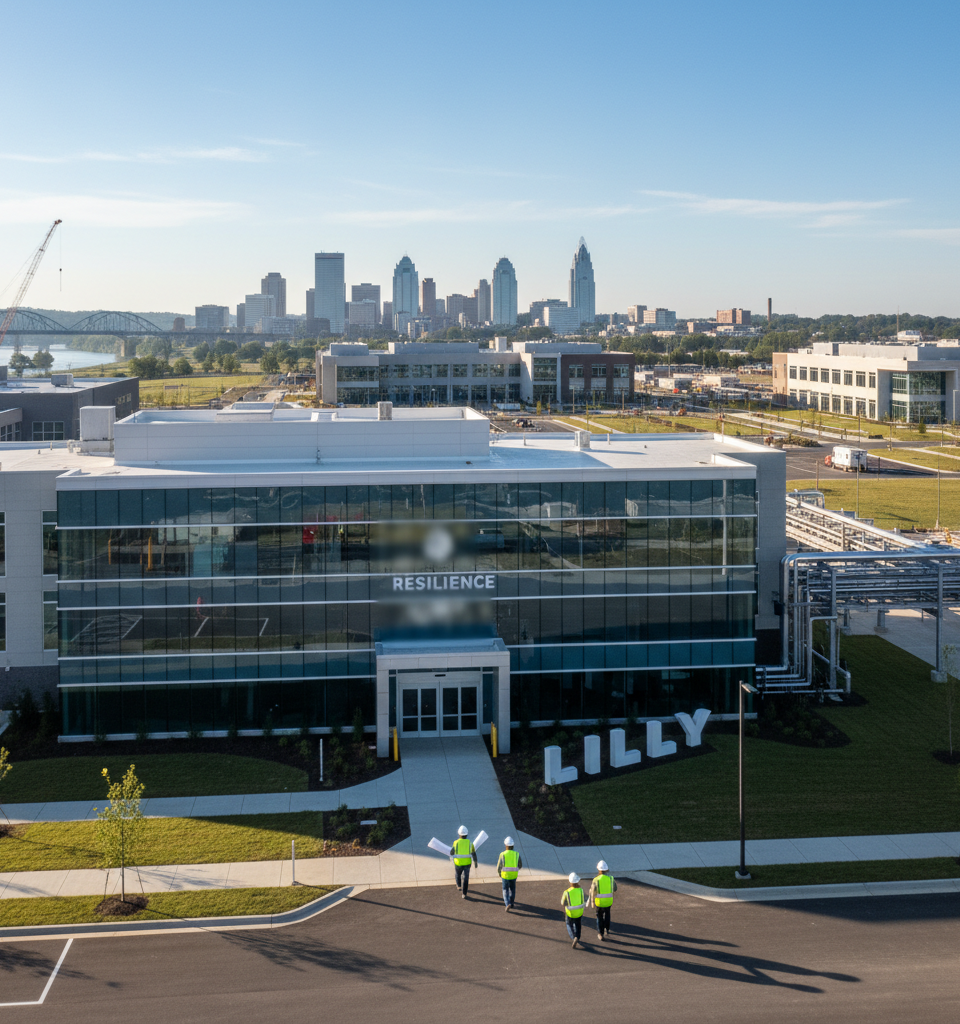
In a major development poised to reshape pharmaceutical manufacturing capacity, Resilience, a company dedicated to broadening access to complex medicines, and pharmaceutical titan Eli Lilly have jointly committed an substantial $750 million investment. This capital infusion is earmarked for the aggressive scaling up of medicine production operations situated in Cincinnati. The initiative is specifically designed to meet the growing demand for GLP-1 injectable therapies, a class of drugs gaining significant traction for their metabolic benefits.
Strategic Investment Details and Job Creation
The $750 million investment is not merely a financial transaction but a strategic partnership aimed at enhancing the throughput and efficiency of critical drug production. A direct outcome of this expansion is the anticipated creation of 400 new, dedicated jobs within the Cincinnati facility. These roles will be integral to the manufacturing process of the GLP-1 injectables, signaling a substantial boost to the local economy and an expansion of specialized talent in the region's biotechnology sector.
Resilience's model focuses on building a network of advanced manufacturing facilities to provide reliable, high-quality contract manufacturing services for biopharmaceutical companies. This partnership with Eli Lilly, a leader in pharmaceutical innovation, leverages Resilience's expertise in manufacturing scaling and operational excellence to bring complex therapies to market more efficiently. The investment solidifies the long-term commitment of both entities to ensuring a robust supply chain for essential medicines.
Industry Context: The Rising Demand for GLP-1s
The focus on GLP-1 injectables is particularly noteworthy given their rapidly expanding market and therapeutic applications. Initially developed for type 2 diabetes management, drugs in this class have also demonstrated significant efficacy in weight management, leading to unprecedented demand globally. This surge has, at times, strained existing manufacturing capacities across the pharmaceutical industry, making investments like the one in Cincinnati critically important for patient access.
This expansion addresses a crucial industry need: the ability to scale production rapidly and reliably for high-demand, complex biologic drugs. The pharmaceutical sector has increasingly grappled with supply chain vulnerabilities and bottlenecks, particularly for sterile injectables. By investing in dedicated manufacturing lines and capacity, Resilience and Eli Lilly are actively working to mitigate these risks and ensure consistent supply.
Impact on Contract Manufacturing and Global Supply Chains
The substantial investment also highlights the growing importance of contract development and manufacturing organizations (CDMOs) in the pharmaceutical landscape. Companies like Resilience are becoming pivotal partners for pharmaceutical innovators, offering the specialized infrastructure, expertise, and regulatory compliance required for large-scale production without the prohibitive capital expenditure for individual drug developers. This trend is central to how new medicines reach global markets efficiently.
The implications for global supply chains are significant. Increased production capacity in key locations like Cincinnati can contribute to a more resilient and diversified supply network, reducing over-reliance on a single geographic region or manufacturer. For international buyers and distributors, this translates to improved product availability, potentially more stable pricing, and a reduced risk of shortages that can severely impact patient care and market stability worldwide.
Future Outlook and Market Implications
Looking ahead, this investment is expected to bolster Eli Lilly's market position in the highly competitive GLP-1 segment, ensuring a consistent supply of their therapies. For Resilience, it reinforces their standing as a critical partner in advanced biopharmaceutical manufacturing, attracting further collaborations and investments. The newly created jobs are also a testament to the growth potential within the U.S. biomanufacturing sector.
The long-term success of this venture will depend on continued operational efficiency, sustained demand for GLP-1 therapies, and the ability to adapt to evolving regulatory landscapes. However, the initial $750 million commitment represents a powerful statement from two industry leaders on the strategic importance of manufacturing capability in meeting global health needs and capitalizing on pharmaceutical innovation.