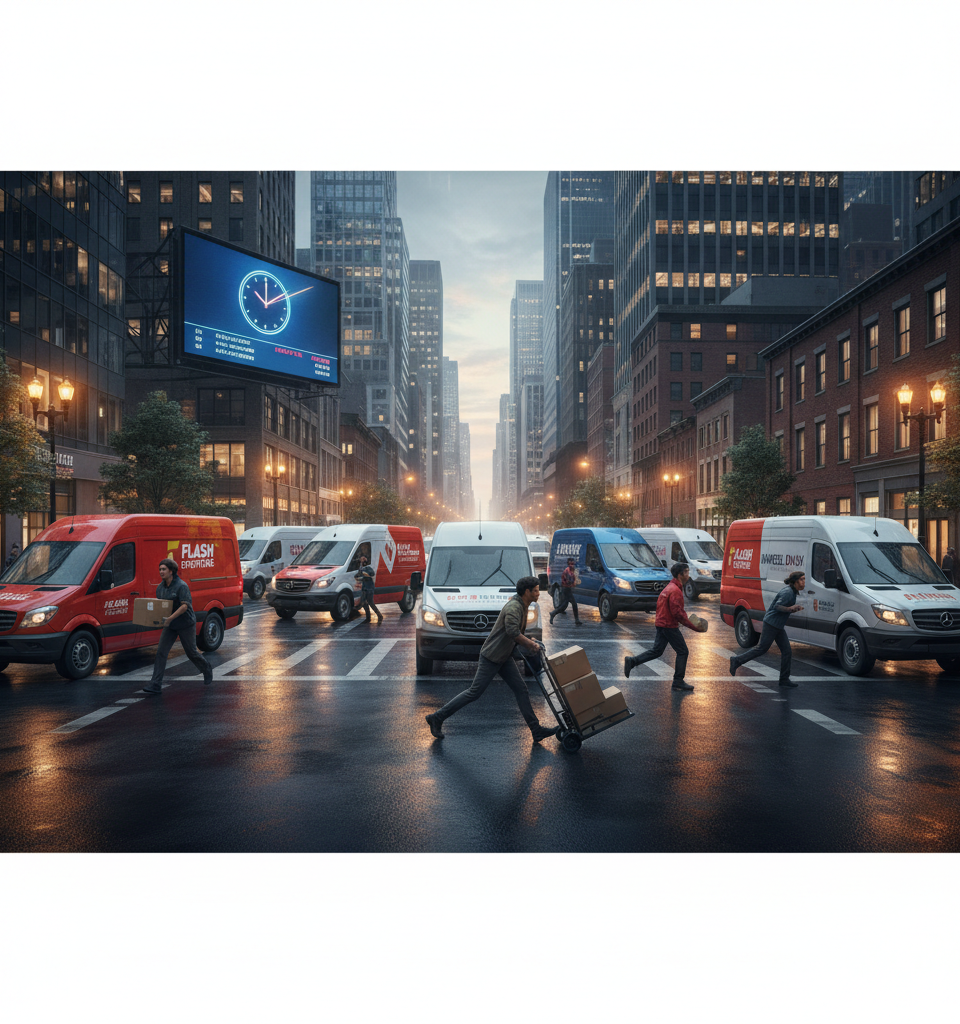
A growing cohort of leading retailers across various sectors are aggressively expanding their same-day delivery capabilities, fundamentally reshaping consumer expectations and threatening traditional last-mile logistics. This accelerated push, evident across major metropolitan areas globally, signifies a pivotal strategic pivot aimed at capturing market share and enhancing customer loyalty in an intensely competitive post-pandemic economy. Experts suggest that while the immediate gratification offered by rapid delivery can be a powerful differentiator, its effective implementation requires a nuanced understanding of operational efficiency, cost management, and consumer segment targeting.
The Evolving Landscape of Consumer Expectation
The impetus for this trend is multifaceted, rooted deeply in changing consumer behavior hastened by the digital era. Prior to the widespread adoption of e-commerce, expedited shipping was a premium service; today, it is fast becoming an expectation. The convenience economy, fueled by the success of Amazon Prime and food delivery platforms, has conditioned consumers to anticipate near-instant access to goods. Retailers that fail to meet this evolving benchmark risk obsolescence, as surveyed data consistently indicates that a significant percentage of online shoppers abandon carts due to slow delivery times or exorbitant shipping costs. The historical context shows a gradual progression from standard ground shipping to two-day, then next-day, and now, the push for same-day delivery represents the next frontier in logistics competitiveness.
Strategic Imperatives and Operational Realities
For many retailers, same-day delivery is not merely a perk but a strategic imperative to remain relevant. Target, for instance, has significantly leveraged its Shipt acquisition to offer same-day delivery from a majority of its stores, reporting substantial growth in digital sales. Similarly, giants like Walmart have invested heavily in expanding their in-house delivery networks and partnerships to ensure rapid fulfillment. Key details reveal that the success formula often hinges on a retailer's existing physical footprint, allowing stores to double as mini-fulfillment centers, thereby reducing transit times and inventory holding costs. However, the operational complexities are immense, encompassing real-time inventory management, optimized routing algorithms, and a robust network of drivers, often managed through third-party logistics (3PL) providers or crowdsourcing platforms.
Industry-Wide Ripple Effects
This aggressive push into same-day delivery sends significant ripple effects throughout the retail and logistics industries. It places immense pressure on smaller retailers to innovate or collaborate, lest they be left behind. The demand for warehousing space, particularly urban micro-fulfillment centers, is skyrocketing, driving up real estate costs. Furthermore, the labor market for delivery drivers is experiencing unprecedented demand, impacting wages and benefits across the gig economy. This trend is also accelerating the adoption of new technologies, including artificial intelligence for demand forecasting, automation in warehouses, and potentially, drone or autonomous vehicle delivery solutions in the long term, reshaping the very infrastructure of urban supply chains.
Expert Insights on Sustainability and Strategy
Industry analysts and supply chain experts caution that while the allure of same-day delivery is strong, its financial sustainability remains a critical challenge. "The economics of same-day delivery can be incredibly challenging, particularly for low-margin products," states Dr. Eleanor Vance, a leading retail logistics consultant. "Retailers must meticulously analyze their product mix, customer demographics, and price points to determine where this service truly yields a positive return on investment, rather than simply bleeding the bottom line." She emphasizes that for some, offering same-day delivery for high-value or essential items might make sense, while for others, a well-executed next-day service could be more profitable and sustainable. The key, she adds, is not to offer it universally, but strategically, recognizing that it's a premium service with premium costs.
The Road Ahead: Innovation and Integration
The future of same-day delivery will likely be defined by continued innovation and tighter integration across various platforms. We can expect to see further advancements in predictive analytics to anticipate localized demand more accurately, reducing waste and optimizing delivery routes. Partnerships between retailers and third-party logistics firms are set to grow, as few companies can afford to build out a comprehensive, nationwide same-day delivery infrastructure independently. Moreover, as consumer expectations continue to rise, the competitive advantage will shift from merely offering same-day delivery to perfecting it – ensuring reliability, transparency, and a seamless customer experience, all while maintaining acceptable profit margins. The race to the customer's doorstep is accelerating, promising a transformative decade for retail logistics.