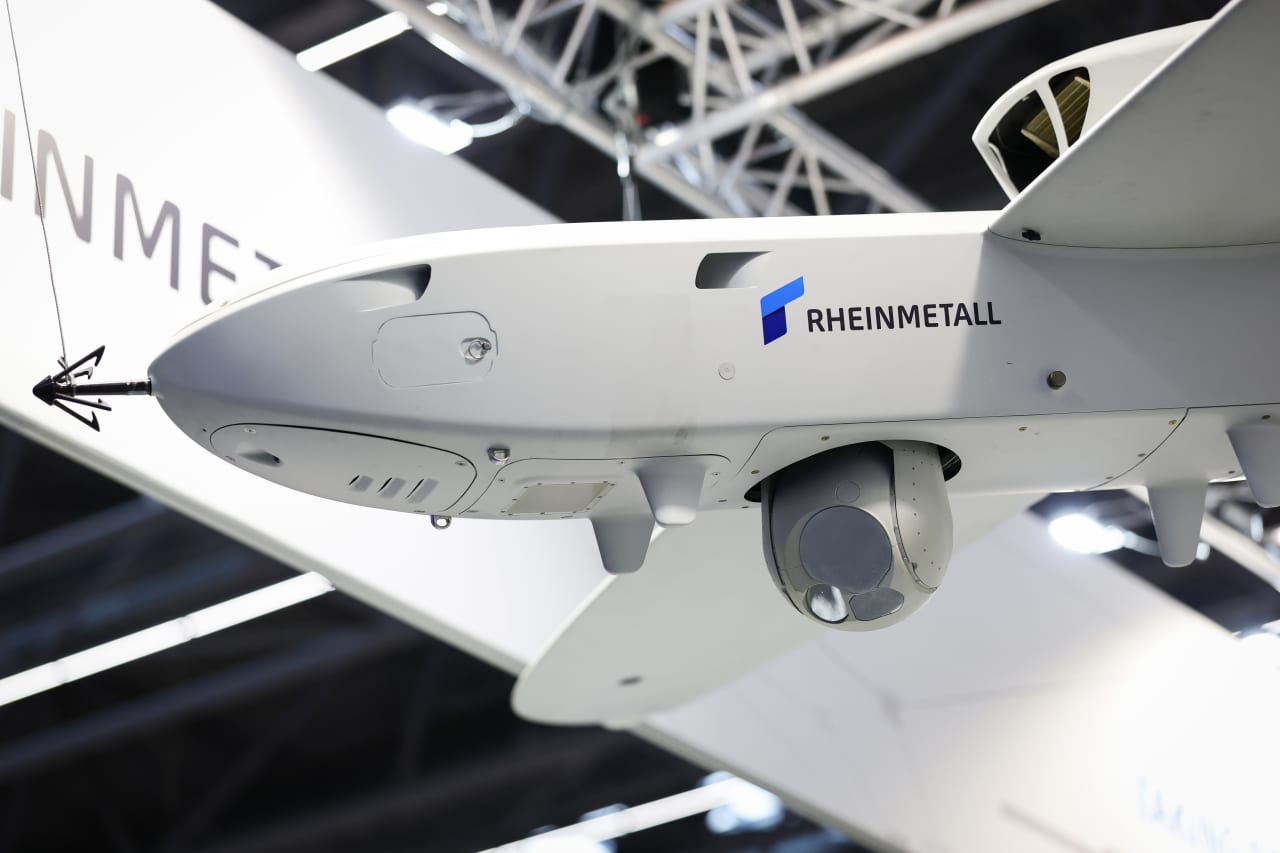
DÜSSELDORF, GERMANY – [Date] – German armaments manufacturer Rheinmetall AG is grappling with a severe public relations fallout and a notable dip in its market valuation after its Chief Executive Officer, Armin Papperger, made what are being widely interpreted as disparaging remarks concerning Ukraine's innovative and cost-effective drone capabilities. The comments, delivered during a recent industry briefing, have prompted widespread criticism, forcing the leading defense contractor into damage control mode as it seeks to assuage investor concerns and mend strained relations with key stakeholders.
Context: A Shifting Battlefield and Stakeholder Scrutiny
This incident unfolds against a backdrop of intensified scrutiny on defense spending and procurement, particularly in the European Union, which has pledged significant military aid to Ukraine. The conflict has highlighted the critical role of accessible, rapidly deployable technologies such as drones, often developed with agile, low-cost methodologies. Rheinmetall, historically renowned for its heavy armored vehicles and advanced artillery systems, faces the challenge of adapting to this evolving defense landscape. Papperger's comments, suggesting a dismissive attitude towards these emerging threats and solutions, directly contradict the prevailing narrative of innovation and efficiency championed by Ukraine, a significant recipient of European defense resources and a crucial proving ground for modern warfare tactics.
The Derisive Remarks and Immediate Fallout
The CEO's contentious statements, circulated widely via industry publications and social media, reportedly downplayed the strategic importance and technological sophistication of Ukrainian-developed drones, particularly their cost-effectiveness compared to traditional defense systems. Sources present at the briefing indicated Papperger characterized some Ukrainian drone advancements as 'unsophisticated' and 'easily countered' by Rheinmetall's more elaborate and expensive systems. Following the rapid dissemination of these remarks, Rheinmetall's stock (RHM.DE) experienced a significant downturn, dropping by approximately 4.5% within 24 hours of the comments becoming public. This decline translated to a loss of several hundred million euros in market capitalization, underscoring the immediate financial repercussions of the perceived gaffe.
Industry Repercussions and Strategic Misalignment
Beyond immediate stock market fluctuations, the incident reverberates across the broader defense industry. Analysts suggest that such public pronouncements by a prominent CEO risk alienating emerging defense tech innovators and could be interpreted as a lack of understanding or respect for the adaptive strategies employed by forces facing asymmetric threats. In an era where defense budgets are increasingly scrutinized for efficiency and effectiveness, a perceived dismissiveness towards cost-effective, high-impact innovations could undermine Rheinmetall's long-term market positioning, particularly in future partnerships and joint ventures with nations prioritizing agile defense solutions. Competitors, conversely, may leverage this misstep to highlight their own adaptability and embrace of modern warfare paradigms.
Expert Analysis: A Miscalculated Communication Strategy
Defense industry analysts have been quick to weigh in. Dr. Anja Schmidt, a senior research fellow at the European Centre for Security Studies, remarked, "Papperger's comments were not just tactless; they reveal a potential disconnect between some traditional defense contractors and the reality of modern conflict. The efficacy of low-cost, high-volume drone warfare is undeniable, and any dismissal of this reality is strategically short-sighted." Another analyst, Marcus Thiel from Alpha Capital Advisors, noted, "Investor confidence in defense companies is linked not only to order books but also to perceived strategic foresight. This incident suggests a communication misstep that has unfortunately impacted the company's valuation at a crucial time for the European defense sector."
Rheinmetall's Response and Future Implications
In the aftermath, Rheinmetall issued a carefully worded statement emphasizing its full support for Ukraine and its commitment to providing advanced defense technologies. While not directly retracting the CEO's specific comments, the statement highlighted Rheinmetall's ongoing investments in drone technology and counter-drone solutions, attempting to reframe the narrative. However, the reputational damage may be more enduring. The incident underscores the heightened sensitivity surrounding corporate communications in geopolitically charged environments. For Rheinmetall, the path forward will involve a careful balance of technological innovation, demonstrating an understanding of evolving threats, and meticulous public relations to restore investor confidence and mend potential rifts with government partners and the wider defense community. Future earnings calls and investor presentations will undoubtedly focus on how the company plans to address the evolving nature of warfare, including its approach to drone technology, beyond its traditional formidable platforms. The market will be watching closely for concrete actions and strategic shifts.
Looking Ahead: Adapt or Risk Obsolescence
The episode serves as a stark reminder for all major defense contractors: the battlefield is constantly changing, and with it, the definition of military superiority. The emphasis on agile, cost-effective solutions, epitomized by Ukrainian drone development, presents both a challenge and an opportunity. Companies like Rheinmetall, with their deep engineering prowess and substantial R&D budgets, have the capacity to adapt. However, their leadership must demonstrate not only technological capability but also a profound understanding and respect for all facets of modern warfare. Failure to do so risks not only financial penalties but also a significant erosion of trust and market relevance in a fiercely competitive global defense landscape.