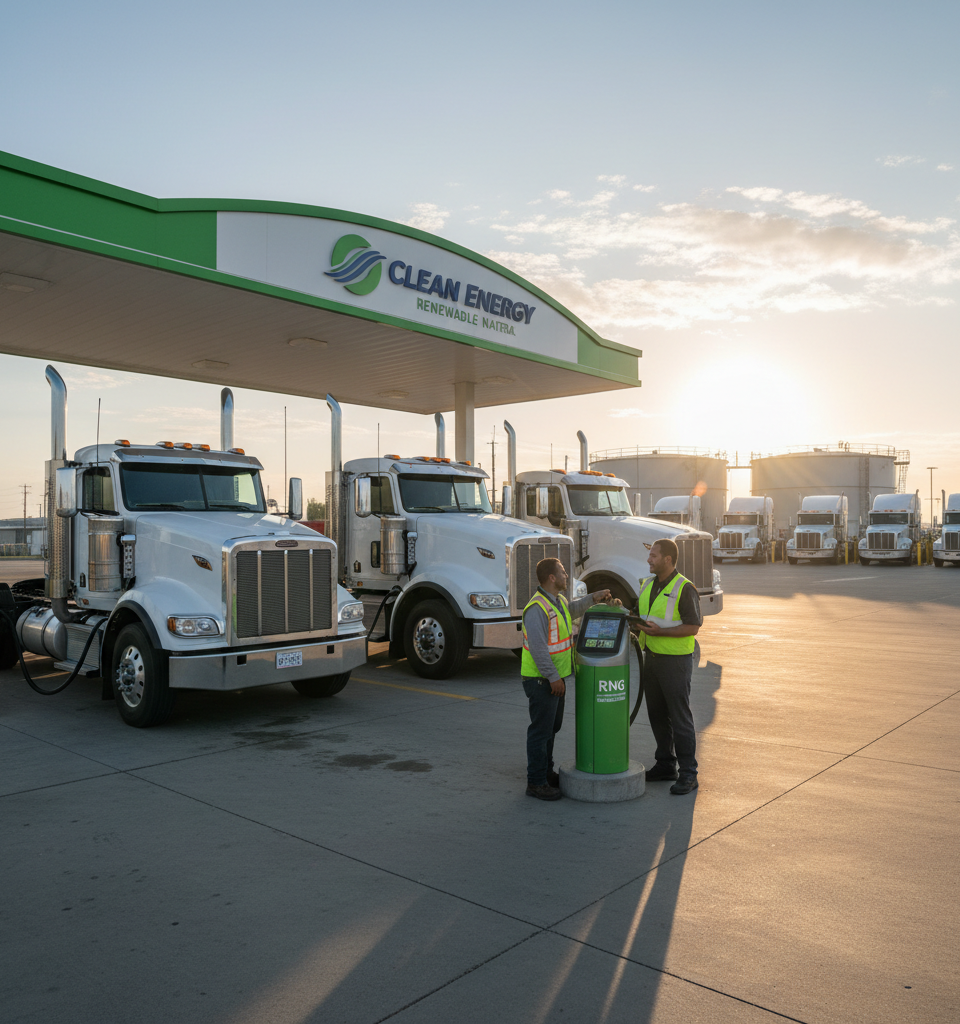
The heavy-duty trucking industry stands at a pivotal juncture as Renewable Natural Gas (RNG) emerges as a highly viable and economically attractive alternative for fleet operators. This development is primarily driven by the convergence of three critical factors: the widespread availability of a proven 15-liter engine compatible with natural gas, the robust and expanding nationwide fueling infrastructure provided by Clean Energy, and substantial per-gallon fuel savings that effectively reshape the economic calculus for fleets evaluating their long-term fuel strategies. These elements indicate a significant shift in how the sector approaches sustainability and operational efficiency.
Historical Context and Market Evolution
For years, heavy-duty trucking has grappled with the dual pressures of environmental regulations and volatile fossil fuel prices. While natural gas has long been considered a cleaner burning alternative, widespread adoption has historically been hampered by infrastructure limitations and concerns regarding engine performance. The current landscape, however, reflects a maturation of both technology and infrastructure. Early natural gas engines often faced skepticism regarding power and range, but advancements, particularly with the 15-liter engine, have largely addressed these concerns, offering comparable performance to traditional diesel powertrains. This technological evolution sets the stage for RNG to move from a niche solution to a mainstream contender.
The Three Pillars of RNG Adoption
The current momentum for RNG in heavy-duty trucking is anchored by distinct, yet interconnected, developments. First, the availability of a proven 15-liter engine represents a significant milestone. This engine size is crucial for heavy-duty applications, providing the necessary power and torque for long-haul routes and challenging terrains, a capability that was previously a bottleneck for natural gas adoption. Its proven reliability and performance mitigate risks for fleets considering the switch.
Second, Clean Energy's nationwide fueling network plays a decisive role. Infrastructure has historically been a major barrier to alternative fuel adoption. Clean Energy's extensive reach across the United States provides fleets with the confidence that they can reliably refuel their natural gas vehicles, eliminating range anxiety and enabling seamless operations across various routes. This widespread accessibility transforms RNG from a localized option to a genuinely national solution.
Third, and perhaps most immediately impactful, are the fuel savings. Fleets are currently experiencing average savings of $3 or more per gallon by utilizing RNG. This substantial cost reduction directly impacts a fleet's bottom line, offering a compelling economic incentive that complements the environmental benefits. In an industry with tight margins, such significant operational cost reductions can be a game-changer, influencing purchasing decisions and long-term investment strategies.
Industry and Market Impact
The implications for the broader trucking industry are profound. This convergence is not merely an incremental improvement but a fundamental re-evaluation of fuel strategies. The economic advantages, coupled with the environmental benefits of using a renewable fuel, position RNG as a leading contender in the ongoing transition towards cleaner transportation. Fleets that adopt RNG are not only expected to realize substantial operational savings but also enhance their corporate social responsibility profiles, attracting environmentally conscious customers and potentially benefiting from regulatory incentives.
Expert Perspective
Industry analysts are closely monitoring these developments, noting the strong alignment of technology, infrastructure, and economics. Many experts believe that this synergy creates an unprecedented opportunity for widespread RNG adoption in the heavy-duty sector. While precise market penetration figures remain to be seen, the current indicators suggest a robust growth trajectory for RNG-powered fleets. The long-term durability and maintenance costs of these new 15-liter natural gas engines, alongside the continued stability of RNG pricing, will be key areas of focus for ongoing industry analysis.
Future Implications and Developments
Looking ahead, the momentum generated by these factors is expected to accelerate further investment in RNG production and distribution infrastructure. As more fleets transition, the economies of scale could further reduce fuel costs and enhance the overall efficiency of the RNG supply chain. This shift is likely to spur innovation in related technologies, such as advanced natural gas vehicle maintenance services and new financing models tailored for alternative fuel adoption. The coming years are poised to demonstrate RNG's full potential in reshaping the future of heavy-duty transportation, moving the industry towards a more sustainable and economically sound operating model.