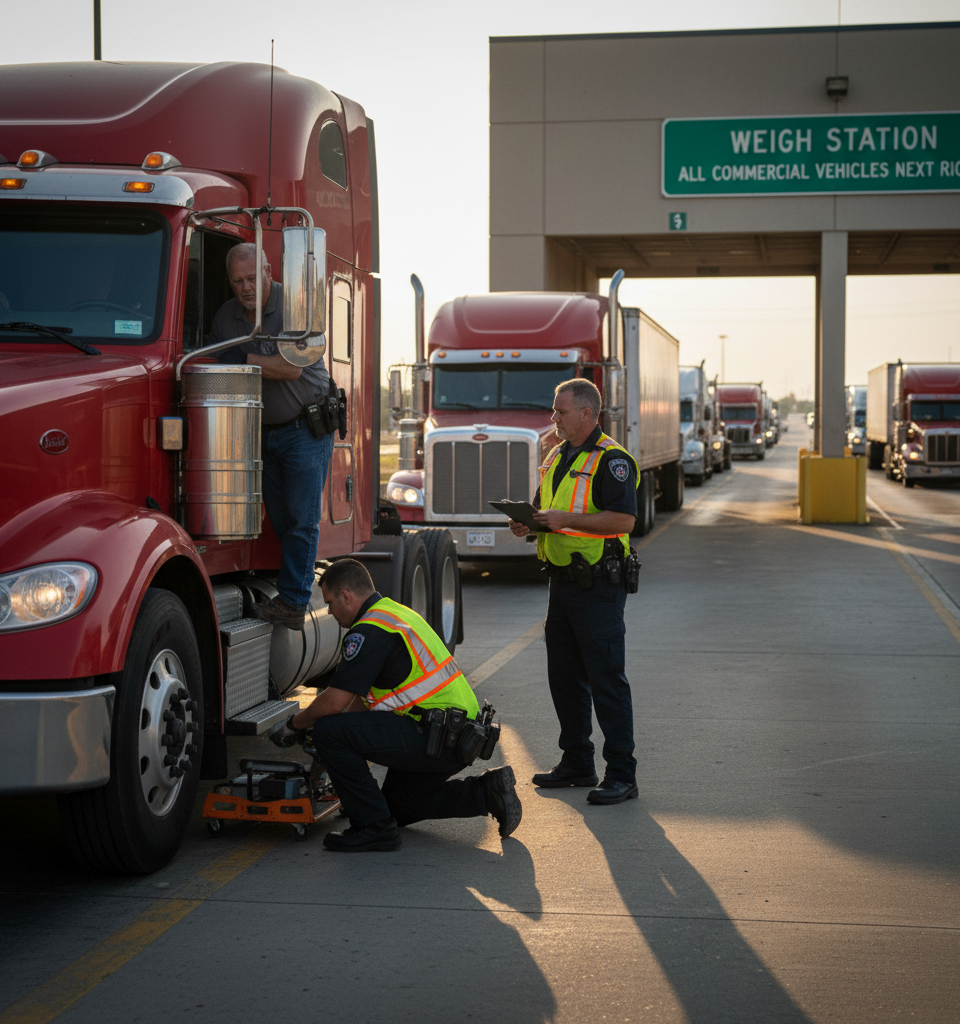
The North American freight market is on the cusp of experiencing a significant seasonal bottleneck, as the annual International Roadcheck inspection blitz, often referred to as Roadcheck Week, prepares to commence. This widespread enforcement effort, organized by the Commercial Vehicle Safety Alliance (CVSA), sees thousands of commercial motor vehicle inspections conducted across Canada, Mexico, and the United States over a 72-hour period. For an industry already navigating tight capacity and fluctuating demand, the increased inspection rates pose a considerable challenge, threatening to elevate operational costs and exacerbate existing supply chain pressures.
Historical Context and Significance
International Roadcheck has been a fixture in the commercial vehicle safety landscape since 1988. Its primary objective is to promote commercial vehicle and driver safety through rigorous inspections, focusing on critical safety components and driver compliance. Each year, the CVSA highlights a specific area of emphasis. Historically, these concentrated inspection efforts have led to a noticeable, albeit temporary, tightening of trucking capacity. Drivers, wary of potential violations or out-of-service orders, may choose to park their vehicles during this period, or routes may be delayed due to longer inspection queues. This annual event serves as a stark reminder of the regulatory environment governing commercial transportation and its direct impact on freight movement.
Key Details and Operational Impact
During a typical Roadcheck Week, CVSA-certified inspectors perform tens of thousands of Level I, II, III, and V inspections on commercial motor vehicles and drivers at weigh stations, roadside inspection sites, and temporary inspection stops. A Level I inspection, the most comprehensive, involves a thorough examination of both the driver's documents and the vehicle's critical components, including braking systems, tires, lighting, cargo securement, and steering mechanisms. Vehicles or drivers found to have serious violations can be immediately placed out of service, preventing them from operating until the issues are rectified. This can lead to significant delays, re-routing of freight, and unexpected expenses for carriers. In past years, out-of-service rates for vehicles have hovered around 20-25%, with driver out-of-service rates typically lower, around 5%.
Industry and Market Implications
The immediate aftermath of Roadcheck Week often sees a discernible ripple effect across the freight landscape. Capacity, already strained by factors such as driver shortages and high fuel costs, tends to shrink further. This reduction in available trucks typically translates to upward pressure on spot market rates and, in some cases, even contractual rates for critical lanes. Shippers whose freight moves during this period may experience longer transit times or face higher transportation costs. Logistics providers must proactively plan for these disruptions, potentially pre-booking capacity or building in additional lead time for deliveries. The overall efficiency of the supply chain can be temporarily hampered, underscoring the interconnectedness of safety regulations and market dynamics.
Expert Perspectives on Mitigation
Industry analysts and logistics experts consistently advise carriers to prioritize preventative maintenance and driver compliance in the weeks leading up to Roadcheck. “Preparation is paramount,” states a prominent freight market analyst. “Carriers that have meticulous maintenance programs and engage in regular driver training on Hours of Service regulations and pre-trip inspections are far better positioned to navigate Roadcheck with minimal disruption.” Some suggest that smaller carriers, particularly those without robust maintenance departments, may be disproportionately affected. Larger fleets often have dedicated safety teams that provide checks and balances, reducing the likelihood of encountering significant violations during the inspection blitz. Experts also highlight the importance of communication between carriers and shippers to manage expectations regarding potential delays.
Navigating the Future Implications
While Roadcheck Week is a temporary event, its implications extend beyond the inspections themselves. It serves as an annual stress test for the industry's commitment to safety and an indicator of the underlying health of carrier operations. The data collected during Roadcheck informs future regulatory priorities and enforcement strategies. For the freight market, consistently tight conditions mean that even temporary capacity shocks, like those induced by these inspections, can have outsized effects on pricing and service levels. Looking ahead, the industry will continue to grapple with driver retention challenges and regulatory demands, making resilient operational strategies and continuous safety improvements essential not just for compliance, but for maintaining supply chain fluidity in a dynamic market environment.