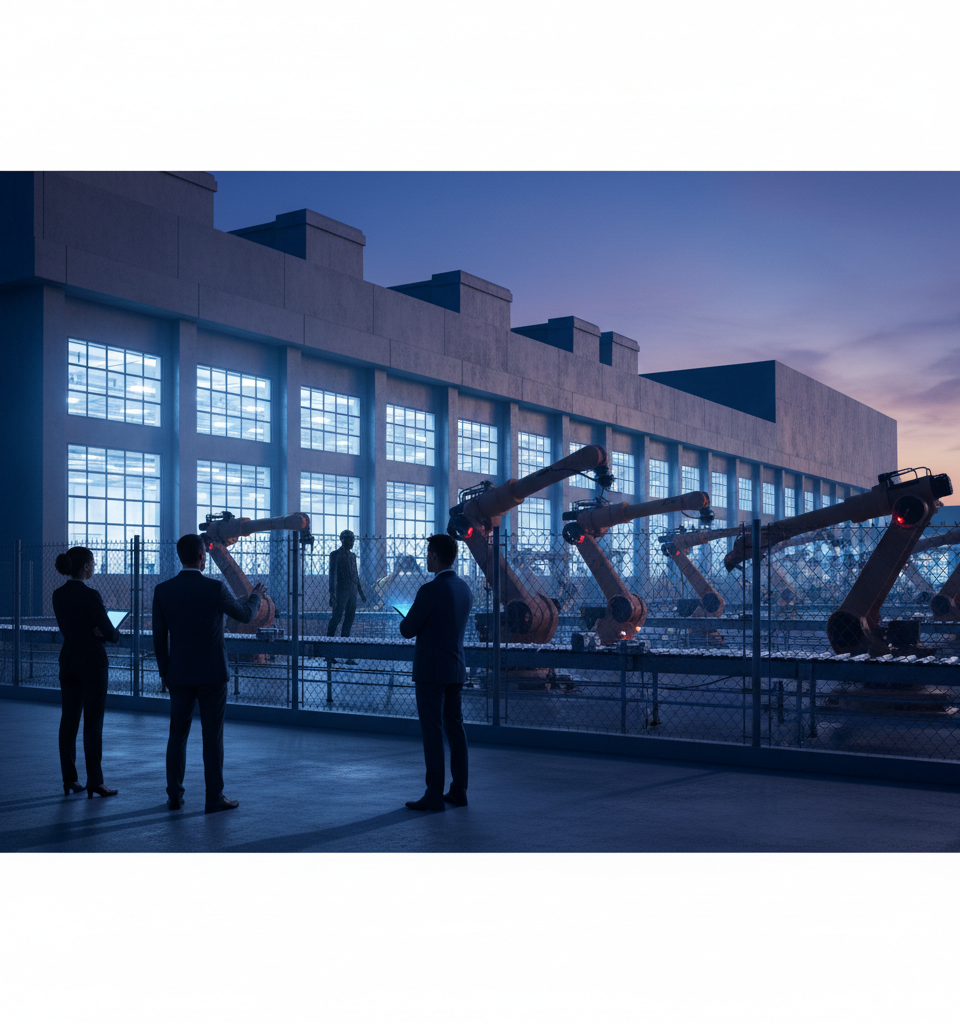
The global competitive landscape for manufacturing is increasingly defined by technological integration, and the efficient deployment of robotics across international supply chains will shape market advantage. Ensuring seamless cross-border operations and maintaining cost efficiencies will hinge on manufacturers’ abilities to scale and manage these advanced systems effectively.
A recent report from Intel reveals a striking disconnect within the manufacturing sector: although a commanding 70% of manufacturing leaders anticipate overseeing robot fleets within the next five years, a considerably smaller proportion—approximately four in ten—have already established formal strategies for managing a blended human-robot workforce. This finding, published today, underscores a significant readiness gap that could impede the industry's progression towards advanced automation.
The Automation Expectation vs. Reality
The report's data points to a clear understanding among industry executives about the inevitability of robotics in modern manufacturing. The high percentage expecting to manage robot fleets indicates a widespread acknowledgment of automation's role in boosting productivity, improving safety, and addressing labor challenges. However, the subsequent drop in preparedness suggests that while the vision is clear, the practical steps required to realize it are lagging. This disparity could create operational bottlenecks and necessitate reactive, rather than proactive, integration efforts.
Strategic Preparedness Lag
Developing a formal strategy for a mixed human-robot workforce involves more than just acquiring robots. It encompasses redesigning workflows, retraining human employees, establishing new safety protocols, and creating robust IT infrastructure to support robotic operations. The fact that roughly 60% of leaders lack such a strategy indicates a potential oversight in critical areas like change management, talent development, and digital transformation. This deficiency could lead to underutilized robotic assets, increased operational friction, and resistance from human employees who perceive robots as threats rather than collaborative tools.
Industry and Market Implications
The implications of this readiness gap are significant for the broader manufacturing industry. Companies that fail to develop comprehensive strategies may struggle to keep pace with more agile competitors, particularly those in regions with proactive automation policies and workforce development programs. This could affect market share, cost efficiencies, and ultimately, the ability to serve global customers effectively. The trend suggests a bifurcated future where well-prepared manufacturers accelerate ahead, while others grapple with integration challenges, potentially impacting supply chain reliability and production scalability on an international scale.
Bridging the Gap
Addressing this strategic deficit will require manufacturing leaders to move beyond acknowledging the trend of robotics adoption towards active planning and implementation. This includes investing in workforce training programs that focus on human-robot collaboration, developing clear ethical guidelines for automation, and creating adaptive organizational structures. The integration of advanced analytics and AI will also be crucial for optimizing robot performance and ensuring seamless human-robot interaction within manufacturing environments.
What's Next for Manufacturing
Over the next five years, the industry will likely see intensified efforts to bridge this strategic gap. Manufacturers that have not yet formalized their human-robot workforce strategies will face increasing pressure to do so, driven by competitive demands and the need for greater efficiency and resilience. The success of these initiatives will not only depend on technological adoption but, crucially, on the strategic foresight and comprehensive planning undertaken by leadership to foster a truly collaborative and productive mixed workforce.