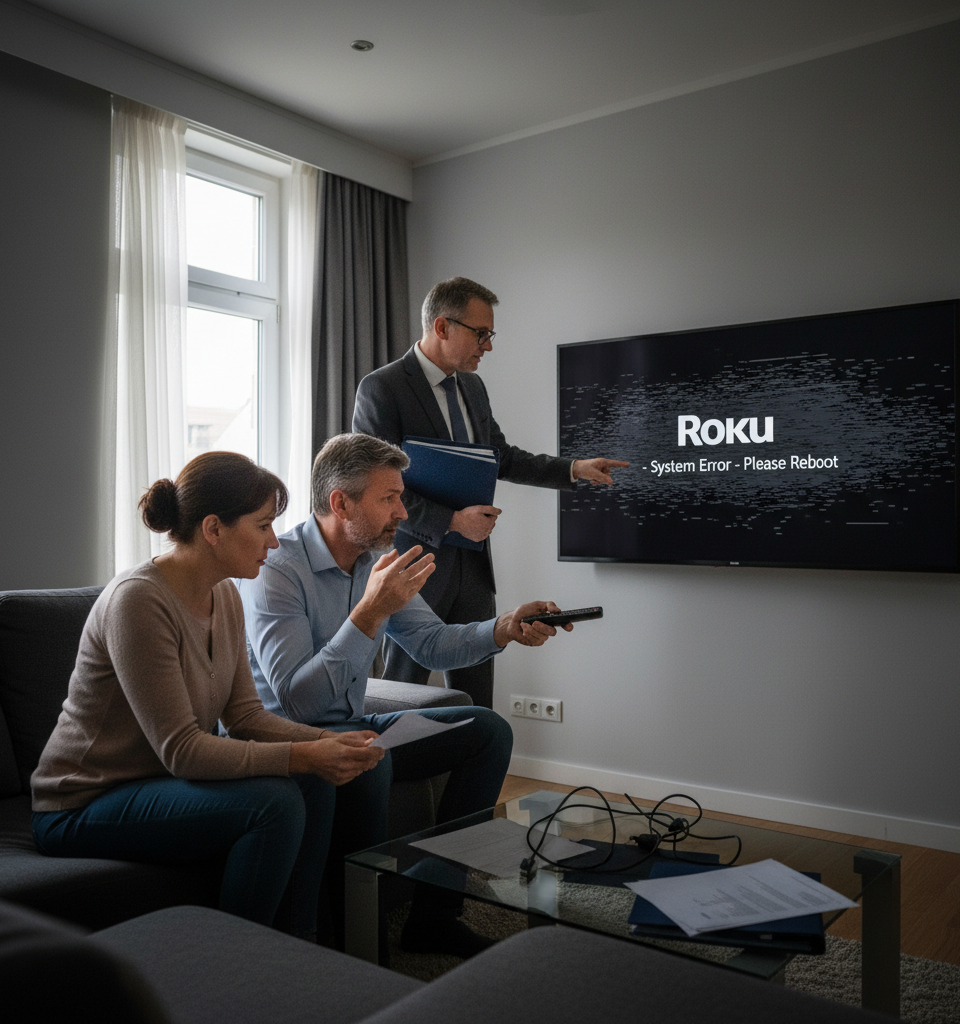
Roku, a prominent player in the streaming technology sector, is currently facing a class-action lawsuit filed by consumers alleging that a significant number of its smart televisions have been rendered inoperable, a phenomenon colloquially known as 'bricking.' The lawsuit, initiated in a California federal court this week, contends that numerous Roku TV models are suffering from critical hardware defects leading to common issues such as perpetual boot loops, unresponsive black screens, or complete failure to power on. This legal challenge spotlights growing user frustrations over product durability and the perceived lack of effective recourse.
Background of the Allegations
The complaints against Roku stretch back several months, with an escalating volume of user reports across online forums, social media, and customer support channels detailing identical symptoms. Owners of various Roku TV models, manufactured by partners like TCL, Hisense, and Sharp, but powered by Roku's operating system, describe a sudden and inexplicable failure of their devices. These aren't isolated incidents but rather a pattern of widespread malfunctions suggesting a systemic issue, potentially related to firmware updates or component quality. The lawsuit seeks compensation for affected consumers and aims to force Roku to acknowledge and address these alleged defects.
Specifics of the Class Action
While the specific models named in the lawsuit are extensive, they broadly encompass many of Roku TV's popular configurations released over the past few years. The legal filing highlights that these failures often occur outside of the standard one-year warranty period, leaving consumers with costly, unusable devices and no practical solutions from Roku or its manufacturing partners. The plaintiffs claim that Roku was either aware of these defects or should have been, and failed to disclose them to consumers, constituting a breach of warranty and unfair business practices. The suit potentially affects millions of Roku TV owners, representing a significant financial liability for the company if it proceeds to trial.
Broader Industry Implications
This lawsuit could have far-reaching implications for the smart TV industry and the broader consumer electronics market. As televisions become increasingly integrated with proprietary operating systems and internet connectivity, companies like Roku bear greater responsibility for software stability and hardware longevity. A successful suit against Roku could set new precedents for manufacturer accountability, potentially influencing warranty policies, product testing protocols, and consumer protection regulations across the sector. It underscores the challenges of balancing rapid technological innovation with product reliability in a highly competitive market.
Expert Analysis and Market Reaction
Industry analysts are closely monitoring the developments. "The smart TV market thrives on user experience and perceived value," stated tech analyst Dr. Evelyn Reed. "If consumers begin to lose trust in the longevity of these integrated systems, it could drive a shift back to component-based setups where displays and streaming devices are separate." Analysts suggest that a protracted legal battle or an adverse ruling could impact Roku's brand reputation and its stock performance. Roku's shares saw a slight dip following news of the lawsuit, reflecting investor apprehension regarding potential financial penalties and future sales impact.
Moving Forward: What Consumers Can Expect
For affected consumers, the lawsuit offers a potential avenue for redress. Individuals who own a Roku TV experiencing these issues are encouraged to monitor the class-action proceedings and may eventually be eligible to join the class or submit claims. The legal process is often lengthy, but its initiation signals a collective effort to seek accountability. Looking ahead, Roku will likely issue a formal response to the allegations, and depending on the court's actions, could explore settlement options or prepare for discovery. This incident also serves as a critical reminder for consumers to research product reliability and understand warranty terms before making significant electronics purchases.
In the interim, for consumers seeking alternatives, the market offers a wide array of smart TV options from manufacturers such as Samsung, LG, Sony, and Vizio, many of which utilize their own proprietary operating systems or integrate with platforms like Google TV or Amazon Fire TV. Separating the display from the streaming device, by purchasing an independent streaming stick or box, can also be a viable strategy to mitigate risks associated with integrated system failures.