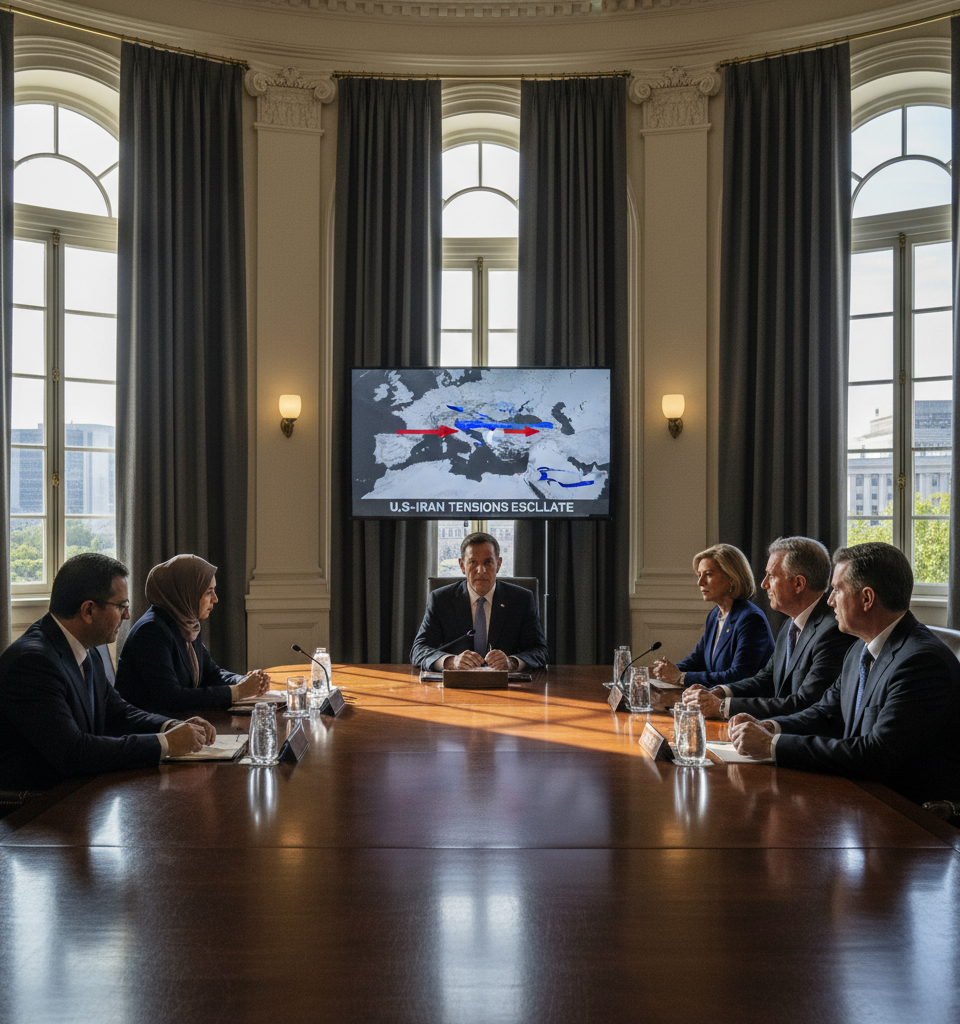
In a significant diplomatic maneuver, Senator Marco Rubio facilitated a rare direct meeting between representatives from Israel and Lebanon, a critical dialogue unfolding against the volatile backdrop of ongoing U.S.-Iran conflict. The unusual rendezvous, aimed at de-escalating regional tensions, concluded with optimistic pronouncements from participants, even as Israel steadfastly indicated no immediate cessation of its military campaign against the Iran-backed Hezbollah militant group within Lebanese territory.
The convening of such high-level discussions between these historically adversarial nations, particularly under the aegis of a U.S. senator, underscores the profound urgency and complexity of the current Middle Eastern landscape. The shadow cast by the broader U.S.-Iran confrontation serves to amplify the stakes, linking regional proxy conflicts directly to wider geopolitical rivalries. Analysts suggest that Washington's involvement, while perhaps not yielding an immediate breakthrough, signals a concerted effort to manage, if not resolve, some of the region's most intractable disputes.
Geopolitical Tensions and Regional Stability
The strategic importance of Lebanon, often described as a flashpoint, cannot be overstated. With its shared border with Israel and the entrenched presence of Hezbollah, a powerful political party and armed group, any sustained conflict directly impacts regional stability. The ongoing Israeli military actions, presented as necessary to counter Hezbollah's perceived threats, have long been a source of profound destabilization in an already fragile environment. The involvement of Iran, through its extensive support for Hezbollah, further complicates any path toward lasting peace.
The discussions, reportedly held behind closed doors, were characterized by difficult conversations but ultimately yielded what attendees described as "encouraging words." This phrasing, while vague, suggests a willingness from both sides to engage, even if fundamental disagreements remain. The very act of convening such dialogue, irrespective of immediate outcomes, can be seen as a small but significant step towards mitigating broader regional conflagration. The U.S. role in orchestrating this meeting highlights its continued vested interest in preventing wider conflict escalation.
Implications for U.S. Foreign Policy and Energy Markets
For U.S. foreign policy, this meeting represents a delicate balancing act. While Washington seeks to de-escalate tensions in the Levant, its overarching confrontation with Tehran continues to shape its strategic calculus. The U.S. administration aims to prevent proxies like Hezbollah from being used to further Iranian interests in a manner that could draw Washington into a direct military confrontation. The immediate financial implications, particularly for global energy markets, remain a significant concern. Any major escalation in the Middle East invariably leads to spikes in oil prices, impacting global economies.
Experts close to diplomatic circles suggest that while direct ceasefires are unlikely to emerge directly from these initial talks, the ability to maintain communication channels is paramount. The current environment is one of heightened alert, with both military and diplomatic channels operating under intense scrutiny. The Israeli position, reiterating its intention to continue military operations, underscores the deeply entrenched security concerns that drive its actions, presenting a significant hurdle to any rapid de-escalation.
The Path Forward: Diplomacy Amidst Conflict
The coming weeks will likely see continued diplomatic efforts, potentially including follow-up meetings or indirect negotiations, to build upon the momentum generated by this rare encounter. However, the path to a comprehensive resolution remains fraught with challenges. The intertwined nature of internal Lebanese politics with external regional powers, particularly Iran and Israel, means that any agreement will require multifaceted engagement and significant concessions from all parties involved. The U.S. will almost certainly continue its facilitative role, attempting to thread the needle between its strategic objectives and the aspirations of its regional allies.
Ultimately, while the meeting between Israeli and Lebanese delegations mediated by Senator Rubio offered a glimmer of hope through "encouraging words," the practical realities of ongoing military operations and persistent regional hostilities mean that a true and lasting peace remains a distant prospect. The current situation demands sustained diplomatic engagement, robust international coordination, and a clear understanding of the complex web of alliances and antagonisms driving events in the Middle East. The global community will watch closely for any further developments, recognizing the profound implications of this volatile geopolitical landscape.