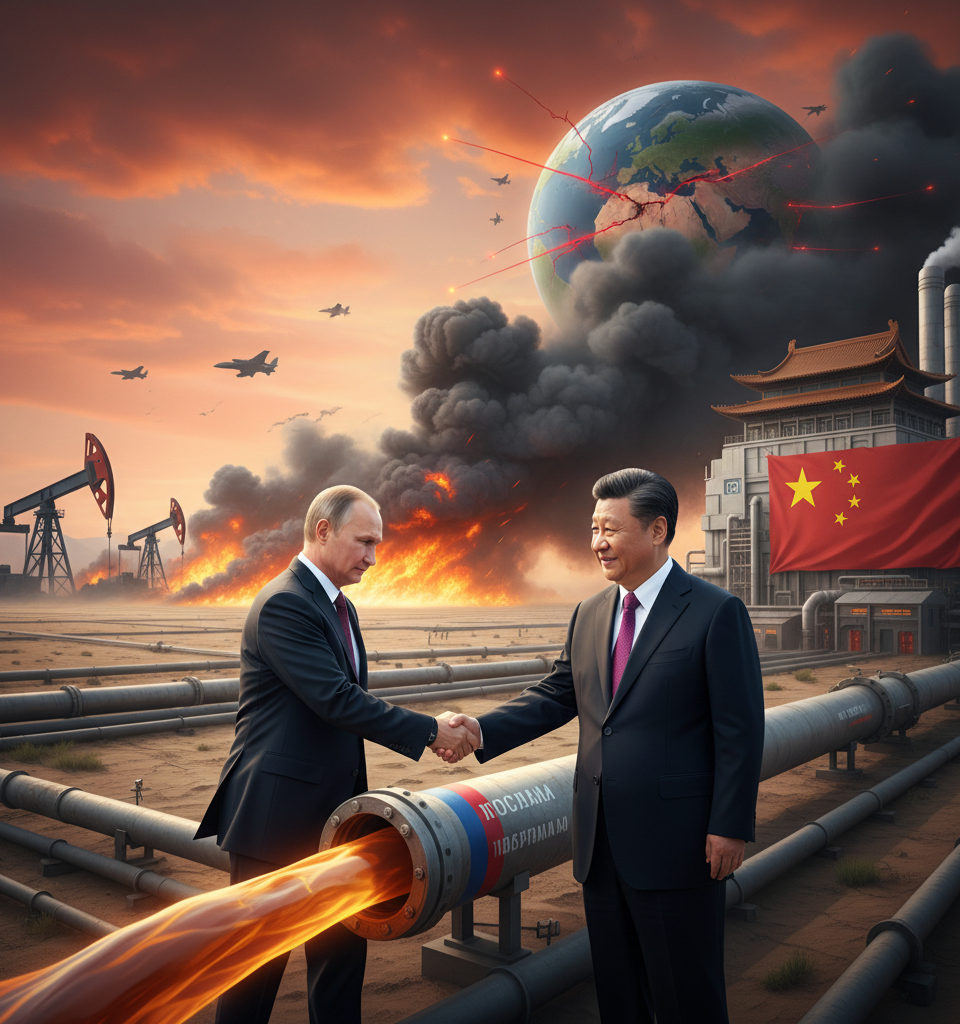
MOSCOW & BEIJING – As global energy markets grapple with disruptions stemming from the protracted conflict in Iran, Russia is emerging as a significant potential supplier to China, offering a crucial lifeline to the world's second-largest economy. On Wednesday, Russian Foreign Minister Sergei Lavrov declared that Russia is well-equipped to "certainly fill the resource gap that has arisen in China," underscoring a strategic alignment between the two nations amidst escalating regional instability.
This overture comes at a pivotal moment, with the ongoing geopolitical tensions in the Middle East significantly impacting oil and gas production and transit routes. The conflict in Iran has led to considerable uncertainty in energy markets, pushing global prices upward and compelling major importers like China to seek alternative, reliable sources of supply. Russia, possessing vast energy reserves and seeking new markets for its exports, appears poised to capitalize on this evolving landscape.
Geopolitical Realignment and Energy Security
The deepening energy cooperation between Russia and China reflects broader geopolitical realignments. Both nations have expressed desires to counter what they perceive as Western dominance in global affairs, and enhanced energy ties serve as a cornerstone of this strategy. For China, securing stable energy supplies is paramount to maintaining its economic growth and industrial output, particularly as its domestic demand continues to surge. The Iranian conflict has exacerbated pre-existing concerns about supply chain vulnerabilities, making Russia's offer particularly attractive.
Historically, China has diversified its energy imports, sourcing oil and gas from various regions, including the Middle East, Africa, and Central Asia. However, the current instability in the Strait of Hormuz, a critical chokepoint for global oil shipments, has heightened the strategic value of land-based pipeline deliveries from Russia. This direct connection mitigates some of the transit risks associated with maritime routes.
Market Implications and Resource Reallocation
Should Russia substantially increase its energy exports to China, the implications for global energy markets would be profound. It could lead to a significant reallocation of resources, potentially stabilizing energy prices for China while placing further pressure on other importing nations that rely heavily on Middle Eastern supply. The move would also solidify Russia's position as a dominant global energy power, cementing its influence over a crucial sector.
Furthermore, an amplified Russia-China energy axis could accelerate investments in new pipeline infrastructure and transportation networks, further entrenching their bilateral trade relationships. This could also spur technological cooperation in energy extraction and refining, enhancing the self-sufficiency of both nations from Western energy technologies.
Strategic Advantages for Both Nations
For Russia, a substantial increase in energy exports to China would offer a vital market for its resources, particularly as some traditional European buyers have sought to diversify away from Russian energy. It provides a long-term revenue stream and strengthens its economic ties with a burgeoning economic superpower. For China, the agreement offers much-needed energy security and potentially more favorable pricing given Russia's motivation to secure a large, dependable buyer.
The emphasis on filling a "resource gap" suggests that the discussions are not solely about crude oil but could extend to natural gas, coal, and other critical raw materials. Such a comprehensive energy partnership would underscore the strategic depth of the burgeoning relationship between Moscow and Beijing, marking a significant development in the global energy landscape.
Looking Ahead: A Shifting Energy Paradigm
The immediate future will likely see detailed negotiations and logistical planning to facilitate the increased flow of Russian energy to China. This will involve assessments of existing pipeline capacities, potential expansion projects, and pricing agreements. The international community will be closely watching these developments, as they could reshape alliances and influence global economic stability.
Ultimately, Russia's proposition to China represents a crucial strategic maneuver in a rapidly changing geopolitical environment. With the Middle East in flux, the energy requirements of the global economy are driving new partnerships and fundamentally altering traditional supply routes. The statement by Foreign Minister Lavrov signals a clear intent to leverage Russia's vast energy reserves to bolster its strategic alliances and address critical global supply challenges. This unfolding narrative will undoubtedly remain a focal point for economic and geopolitical analysis in the coming months.