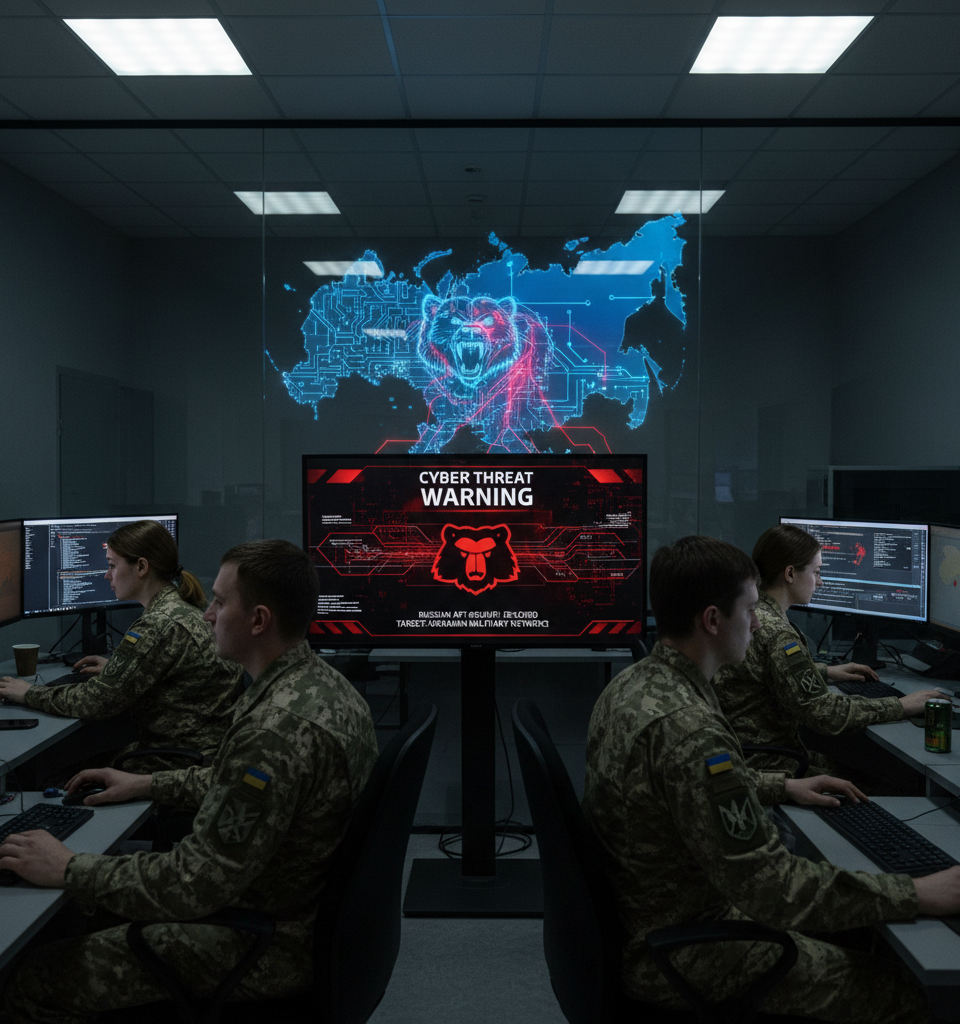
Two Russian state-sponsored advanced persistent threat (APT) groups have reportedly been exploiting a previously patched vulnerability in WinRAR to compromise Ukrainian government and military targets. The spear-phishing campaign, detailed in research published by Trend Micro, utilizes a path traversal flaw (CVE-2025-8088), rated 8.4 on the CVSS scale, to deliver credential-stealing malware. This exploitation highlights the persistent threat posed by nation-state actors and the critical importance of timely software patching.
The vulnerability, which has been addressed by WinRAR for almost a year, allows attackers to manipulate file paths within an archive, leading to the execution of malicious code when unsuspecting users extract files. The continued exploitation of a known and patched flaw underscores a common tactic among sophisticated adversaries: targeting organizations that may lag in applying security updates, or relying on social engineering to trick users into opening malicious archives. This strategy often proves effective, as even well-resourced entities can struggle with universal patch deployment across complex networks.
Technical Details and Impact
Trend Micro's analysis indicates that the two Russian APT groups are specifically using the CVE-2025-8088 vulnerability to deploy malware designed to harvest sensitive credentials. This type of malware, once infiltrated, can provide attackers with broad access to internal systems, enabling espionage, data exfiltration, or further network penetration. The targeting of Ukrainian government and military entities suggests a clear strategic objective, likely aimed at intelligence gathering or disruption in the context of the ongoing conflict. The high CVSS score of 8.4 signifies a significant severity, indicating that exploitation can lead to considerable data loss or system compromise, often without requiring extensive user interaction beyond opening a booby-trapped archive.
Broader Cybersecurity Implications
The ongoing exploitation of this WinRAR flaw serves as a stark reminder of the broader cybersecurity challenges facing organizations globally. The incident underscores several critical issues: the prevalence of unpatched vulnerabilities, the effectiveness of social engineering married with technical exploits, and the persistent threat from state-sponsored cyber adversaries. For government and defense sectors, where data integrity and confidentiality are paramount, such attacks can have far-reaching national security implications. Beyond Ukraine, the techniques observed could be adapted to target other nations or critical infrastructure providers, emphasizing the need for robust patch management and user education across all sectors.
Expert Perspective
While the source does not provide direct expert quotes, the discovery and analysis by Trend Micro inherently reflect an expert perspective on threat intelligence. Their research highlights the sophisticated nature of these APT groups, capable of sustained campaigns exploiting known vulnerabilities against high-value targets. The fact that a year-old patch is still being leveraged indicates that detection and prevention extend beyond simply issuing a fix; it requires active monitoring, threat intelligence sharing, and concerted efforts to ensure patch adoption across all endpoints. The ongoing nature of the cyber conflict also suggests that adversaries will continue to recycle effective exploits against targets perceived to have patching gaps.
What's Next
In response to these findings, organizations, particularly those in critical sectors, are strongly advised to verify that all instances of WinRAR are updated to the latest version. Beyond patching, enhanced vigilance against phishing attempts, especially those involving archived files, is crucial. Proactive threat hunting and robust endpoint detection and response (EDR) solutions can help identify and mitigate potential compromises stemming from such exploits. The continued reporting on these campaigns also underscores the imperative for continuous intelligence gathering and sharing among cybersecurity researchers, government agencies, and affected nations to counter evolving nation-state threats effectively.
This incident reinforces the reality that even seemingly benign software can become a significant attack vector if not meticulously maintained and updated. The cybersecurity community will undoubtedly continue to monitor these APT groups for shifts in their tactics, techniques, and procedures (TTPs), as the digital battleground remains highly dynamic and contested.