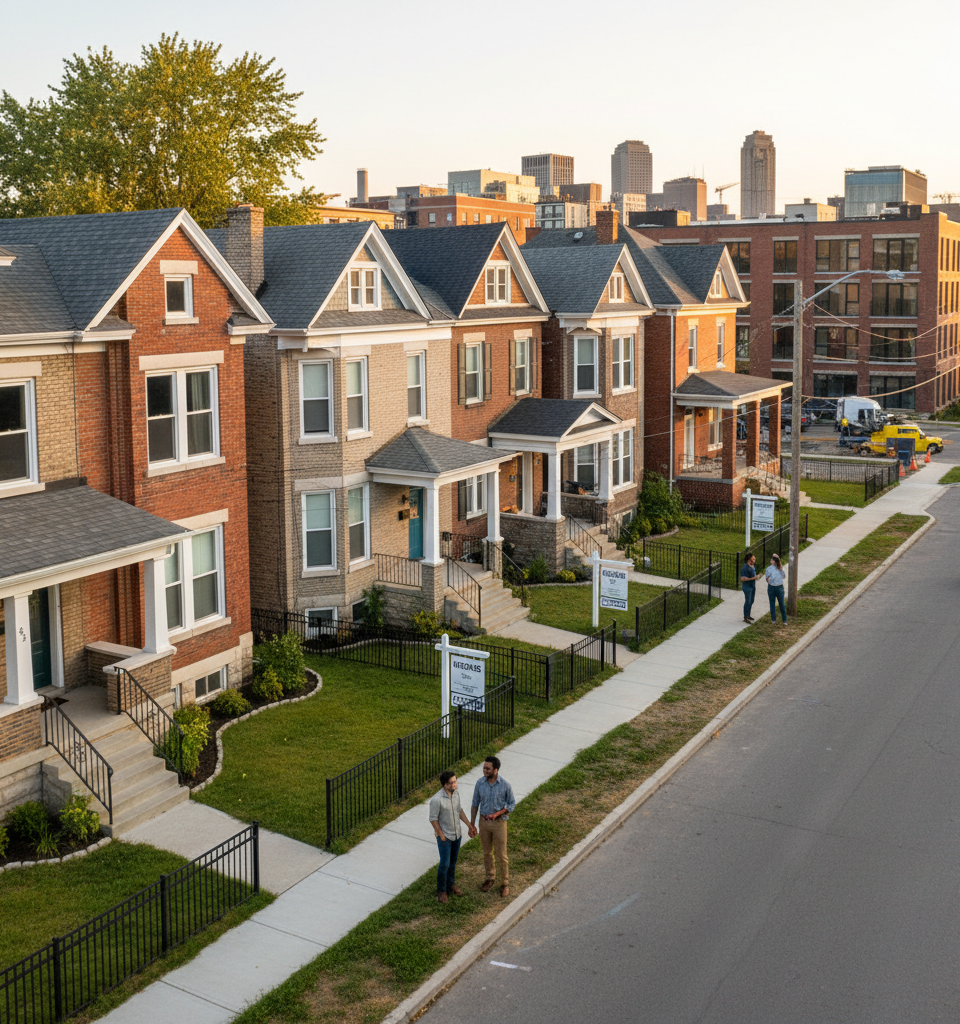
Across six distinct Rust Belt urban centers, a substantial increase in residential real estate listings is currently underway, with a defining characteristic being the affordability of these properties. The overwhelming majority of these new homes are being listed with asking prices below $300,000, presenting a compelling scenario for prospective homebuyers seeking value in a competitive market. This development warrants closer examination as it diverges from broader national housing trends that have often seen escalating prices and limited 'affordable' inventory.
Context and Background
The Rust Belt, historically known for its industrial prowess and subsequent economic transformations, has long been a subject of interest in real estate economics. Following periods of deindustrialization and population shifts, many of these cities have experienced varying degrees of revitalization efforts. The current surge in sub-$300,000 listings suggests a potential acceleration of housing market recovery and accessibility in these regions. This trend stands in contrast to the high-cost-of-living narratives prevalent in coastal metropolitan areas and even in some burgeoning inland tech hubs, positioning these Rust Belt cities as potential havens for homebuyers prioritizing affordability.
Key Details
While specific city names were not disclosed, the pattern points to a concentrated phenomenon within the Rust Belt. The consistent offering of homes under $300,000 indicates either a robust supply of existing, well-maintained housing stock at these price points or a market dynamic where new construction, if present, is also adhering to these affordability benchmarks. This pricing strategy could attract first-time homebuyers, families, and individuals seeking to relocate to areas with lower living expenses without necessarily sacrificing urban amenities. The 'new listings' component is crucial, implying a fresh inflow of inventory rather than merely a re-listing of stagnant properties.
Industry and Market Impact
For the broader real estate industry, this influx of affordable listings could have several implications. It may signal a diversification of attractive housing markets beyond traditional hotspots, potentially drawing investment and development to these Rust Belt cities. Mortgage lenders might see increased activity, particularly in FHA and conventional loan products appealing to buyers at this price point. Furthermore, it could influence population migration patterns, as individuals and families priced out of more expensive markets look to areas offering greater purchasing power. The sustained availability of sub-$300,000 homes could also temper overall housing price appreciation in these specific locales, contrasting with the upward trajectory seen nationally.
Future Implications
Looking ahead, the longevity and impact of this trend will depend on various factors. Continued economic stability and job growth in these Rust Belt cities will be critical in sustaining buyer demand for these newly listed homes. If the trend persists, it could solidify these regions as key players in the national housing discussion, particularly for those advocating for accessible urban homeownership. Observers will be watching to see if this surge translates into sustained population growth, increased local business activity, and further investment in infrastructure and amenities, ultimately leading to a more comprehensive urban revival facilitated by affordable housing options.
This development represents a significant opportunity for these six cities to capitalize on their relative affordability, potentially fostering a new era of growth and demographic shifts. The coming months will reveal whether this surge in listings under $300,000 is a transient market fluctuation or the beginning of a sustained period of accessible housing and urban regeneration in the American Rust Belt.