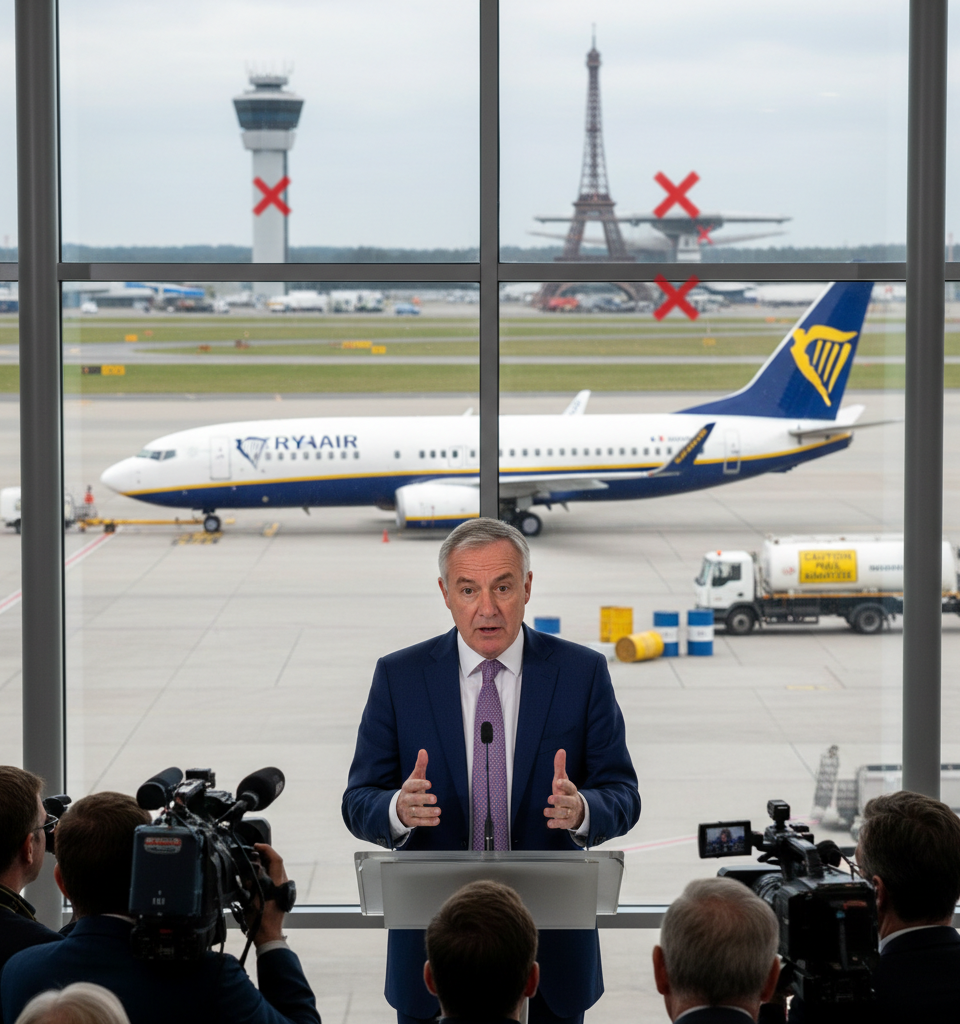
Dublin, Ireland – Michael O'Leary, the outspoken CEO of Ryanair, Europe's largest low-cost carrier, has vehemently urged consumers to finalize their summer travel plans without delay, forecasting a significant surge in airfares in the coming months. Speaking from the airline's headquarters, O'Leary pinpointed a more immediate and disruptive threat to European air travel this summer: the perennial specter of French air traffic control (ATC) strikes, rather than potential fuel shortages or economic downturns. His pronouncement underscores a strategic push by Ryanair to capitalize on early bookings while simultaneously setting expectations for operational challenges that may lie ahead.
Contextualizing the European Travel Landscape
O'Leary's alert comes amidst a period of robust recovery for the aviation sector, with demand for international travel rebounding strongly post-pandemic. However, this resurgence has also highlighted persistent vulnerabilities within Europe's air travel infrastructure. French ATC strikes, in particular, have historically caused widespread disruption across the continent, affecting not just flights to and from France but also those transiting French airspace. This recurring issue has cost airlines millions and frustrated passengers globally, making O'Leary's preemptive warning particularly resonant given past grievances.
Fare Hikes and Operational Headaches: Key Details from O'Leary
"At Ryanair, we have lots of flights on a daily basis. We will re-accommodate you, get you back, get you out, whatever it's going to be," O'Leary stated, reiterating Ryanair's operational resilience despite potential disruptions. He elaborated that average fares, which have already seen increases of between 15% to 20% in the last year, are projected to climb further, potentially by an additional 5-10% for peak summer routes. The CEO firmly dismissed concerns over fuel availability, a prevalent worry in some segments of the industry following geopolitical tensions, emphasizing that the bigger headache for airlines and passengers would be France's ATC. He pointed to previous strikes as evidence, noting how even a localized industrial action can ripple across the entire European network, canceling thousands of flights and delaying millions of passengers. Ryanair, according to O'Leary, is specifically bracing for an increase in such industrial actions.
Broader Industry and Market Implications
O'Leary's comments are not just a self-serving call to action but also reflect a larger industry sentiment. Other airlines are also likely to face similar pressures from rising demand and potential operational choke points. The emphasis on French ATC strikes signals a common pain point for all carriers operating within Europe, potentially leading to collaborative industry lobbying efforts for governmental intervention. For consumers, the message is clear: procrastination on booking could lead to paying significantly more for flights or facing limited availability, especially for popular routes during peak travel times. This could fuel an earlier booking trend, shifting booking patterns traditionally seen closer to departure dates.
Expert Analysis on Travel Trends and Disruptions
Aviation analysts generally concur with O'Leary's assessment regarding the impact of demand on fares. "The pent-up demand for travel, combined with supply-side constraints like aircraft delivery delays and staffing issues at airports, creates a fertile ground for higher airfares," explains Dr. Eleanor Vance, an aviation economist based in London. "Furthermore, the fragility of the European ATC network, particularly given the frequency of industrial action in key hubs like France, remains a critical operational risk that airlines must factor into their strategies and pricing." She notes that while fuel prices are always a concern, the direct operational paralysis caused by ATC strikes often has a more immediate and severe impact on airline schedules and profitability.
What Lies Ahead: Navigating a Potentially Turbulent Summer
The summer months will test the resilience of the European aviation industry. Airlines like Ryanair are likely to lean heavily on their agility and large fleet to mitigate the effects of any disruptions, through re-routing or re-accommodating passengers. However, the onus will also be on European governments and air traffic control bodies to ensure stability. Calls for minimum service levels during strikes and greater investment in modernizing ATC infrastructure are expected to intensify. For travelers, the advice remains consistent: book early, consider travel insurance, and stay informed of potential industrial actions. The stage is set for a summer that could see record passenger numbers, but also significant operational challenges that will require robust planning from both carriers and consumers.