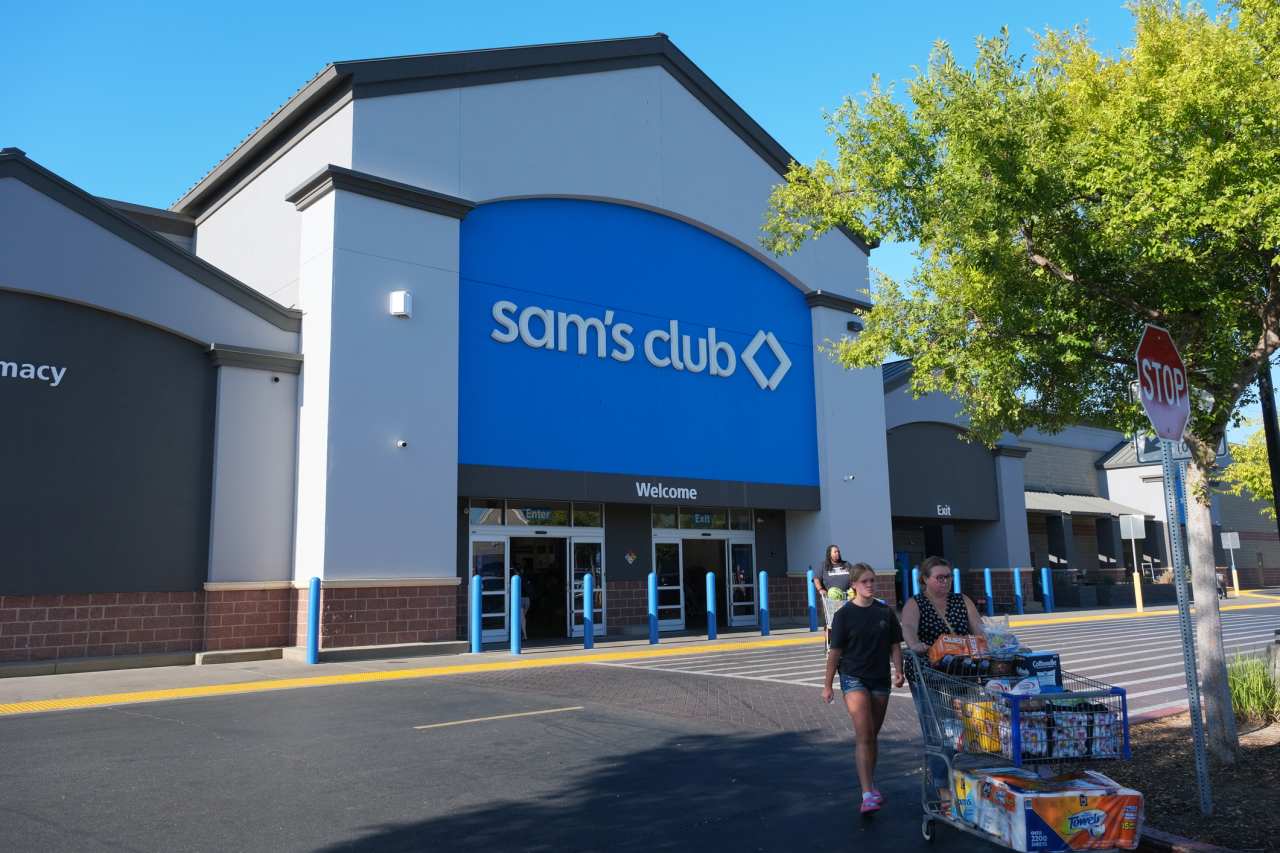
BENTONVILLE, AR – April 18, 2024 – Sam's Club, the Walmart-owned membership warehouse club, revealed today that it will increase its annual membership fees for the first time in nine years. Effective May 1, 2024, the standard 'Club' membership will rise from $50 to $60, a 20% increase, while the 'Plus' membership will see a more modest hike from $100 to $110, representing a 10% increase. This strategic decision by one of the nation's largest warehouse retailers is widely interpreted as a bellwether for potential similar price adjustments across the highly competitive subscription-based retail industry, with market observers keenly watching Costco Wholesale and BJ's Wholesale Club.
This fee adjustment comes at a critical juncture for retailers grappling with persistent inflationary pressures, elevated operating costs, and evolving consumer spending habits. Membership fees are a crucial revenue stream for warehouse clubs, contributing significantly to their profitability and allowing them to offer competitive pricing on bulk goods. Sam's Club's last fee increase occurred in 2017, making this current hike a long-anticipated move within financial circles, despite the immediate impact on its estimated 60 million members.
The new fee structure directly impacts Sam's Club's two primary tiers: the 'Club' membership, which provides basic access to warehouse savings, and the 'Plus' membership, offering additional benefits such as free shipping on most online items, 2% back on qualifying purchases (up to $500 annually), and early shopping hours. The company has justified the increase by citing enhanced member benefits, ongoing investments in technology like Scan & Go, and improving the overall shopping experience both in-store and online. Notably, Sam's Club also announced it would provide a $10 Sam's Cash reward to 'Club' members upon renewal during their first renewal year, effectively softening the initial impact of the increase for loyal patrons.
The ripple effect of Sam's Club's announcement is already palpable across the broader retail landscape. Warehouse clubs operate on thin margins for products, relying heavily on membership fees to bolster their bottom line. A successful fee increase by Sam's Club could de-risk similar moves for its competitors. Costco, for instance, typically raises its fees every five to six years and last did so in June 2017. Their current Gold Star membership stands at $60, and the Executive membership is $120. BJ's Wholesale Club, with its core membership at $55 and the 'Perks Rewards' membership at $110, has also been under scrutiny. The economic environment, characterized by rising labor costs and supply chain complexities, provides a compelling rationale for all players to re-evaluate their membership pricing.
Retail analysts are largely in consensus that Costco is likely to follow suit. Neil Saunders, Managing Director of GlobalData, remarked, "There's no doubt that Costco will be looking very closely at this and will likely follow suit relatively soon." He added that while Costco's last increase was seven years ago, the robust financial health and strong member loyalty of both Costco and BJ's give them latitude to implement fee hikes without significant membership churn. Analysts from financial institutions like UBS have previously modeled potential increases, suggesting a $5 or $10 bump could significantly boost profitability, particularly for Costco, given its vast member base of over 120 million holders.
Looking ahead, the success of Sam's Club's fee increase will serve as a critical benchmark for the industry. The company's ability to retain and grow its member base despite the higher cost will demonstrate the perceived value of its offerings in the current economic climate. Should membership retention remain robust, it will embolden Costco and BJ's to proceed with their own increases, potentially generating billions in additional revenue across the sector. Consumers, meanwhile, will be evaluating whether the enhanced benefits and bulk savings continue to justify the elevated annual investment, setting the stage for intensified competition based on value proposition and member experience.
Future Outlook and Strategic Implications
The strategic implications for these retail giants extend beyond mere revenue generation. Higher membership fees allow for greater investment in technology, supply chain efficiency, and competitive wages, which can ultimately improve the member experience and reinforce loyalty. For Sam's Club, this increase also coincides with its continued push into e-commerce and technological innovations that aim to streamline shopping and add convenience. The coming months will provide crucial insights into consumer response and whether this latest fee hike heralds a new era of increased membership costs across the warehouse club industry.