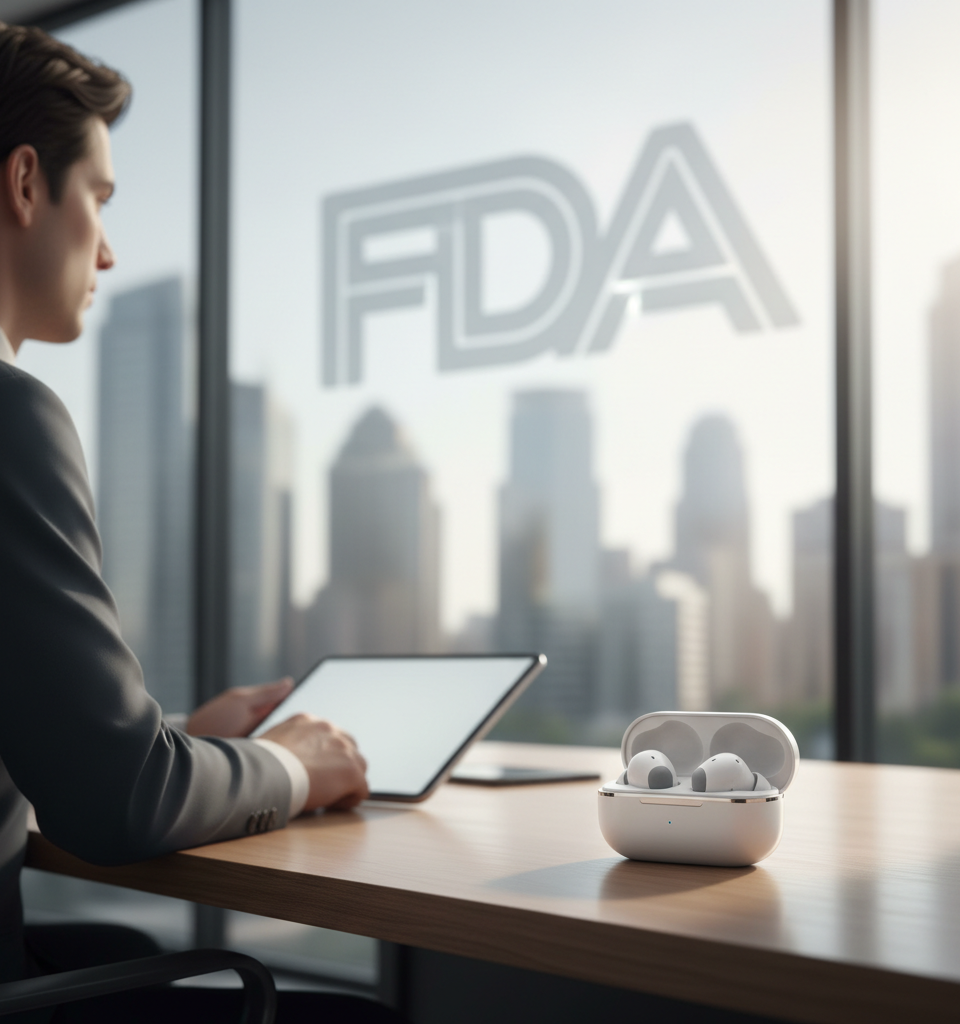
The integration of FDA-cleared hearing aid functionality into consumer electronics fundamentally shifts the competitive landscape for personal health devices. This move by Samsung sets a precedent for how tech giants can leverage existing products to penetrate the regulated medical device market, challenging traditional hearing aid manufacturers and potentially driving down costs for consumers while expanding access. Competitors will now face pressure to innovate or risk being left behind in a rapidly converging market.
Samsung has significantly bolstered its health-tracking portfolio with the recent U.S. Food and Drug Administration's clearance of a Hearing Aid feature for its Galaxy Buds. This landmark approval designates the feature as an over-the-counter solution, effectively transforming certain Galaxy Buds models into accessible personal sound amplification products.
A Strategic Expansion into Healthcare
This development represents a strategic leap for Samsung beyond traditional consumer electronics, pushing deeper into the lucrative and expanding digital health market. By leveraging its widely adopted Galaxy Buds platform, Samsung is positioned to offer a discreet and integrated solution for individuals seeking hearing assistance, bypassing the often-cumbersome and costly process associated with traditional prescription hearing aids.
Over-the-Counter Accessibility
The FDA's over-the-counter (OTC) designation is crucial. It means that consumers can purchase and use the Hearing Aid feature on their Galaxy Buds without needing a prescription or a professional fitting, removing significant barriers to access. This aligns with broader regulatory efforts to make hearing health technology more affordable and readily available to the millions globally who experience some form of hearing impairment. While the specific models were not detailed in the initial announcement, the clearance implies a careful integration of audio processing and amplification technology within existing or forthcoming Galaxy Buds hardware.
Industry Impact and Market Disruption
The move is expected to send ripples across both the consumer electronics and audiology sectors. For consumer electronics, it highlights a growing trend of devices converging with health applications, blurring lines between lifestyle gadgets and medical tools. For the audiology industry, it poses a direct challenge to established hearing aid manufacturers, potentially disrupting their long-standing business models by introducing a low-cost, high-volume alternative. The convenience and social acceptance of using familiar earbuds for hearing assistance could also encourage more people to address their hearing needs earlier.
Future Implications and Competitive Landscape
This FDA clearance sets a precedent for other technology companies looking to integrate medical functionalities into their devices. Apple, Google, and other major players with extensive hardware ecosystems could follow suit, intensifying competition in the over-the-counter hearing aid market. The focus will likely shift to user experience, sound quality, battery life, and the efficacy of these integrated solutions in real-world scenarios. Samsung's early mover advantage in securing this specific FDA clearance positions it as a key innovator in the burgeoning market for accessible hearing solutions, hinting at a future where personal tech devices play an even more critical role in everyday health management.