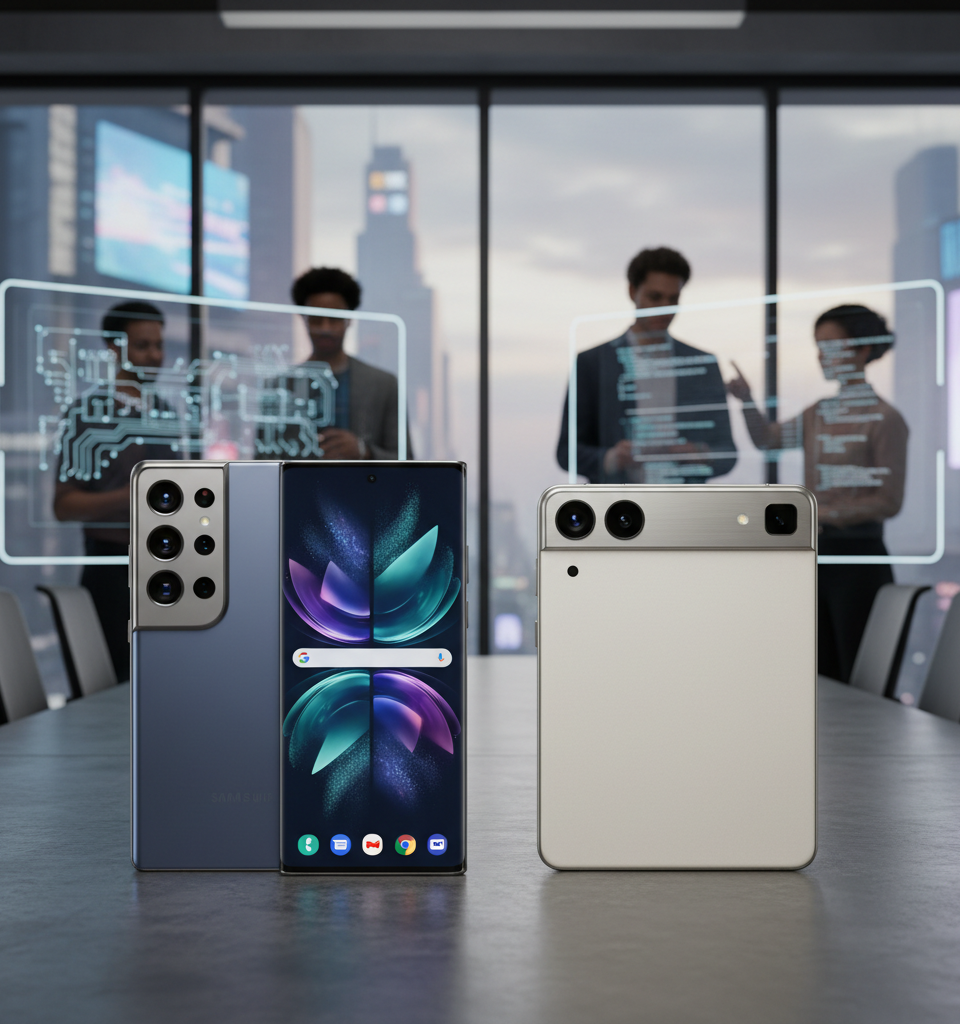
The technological race for smartphone supremacy is heating up, with early whispers and informed speculation pointing towards an epic showdown between Samsung's anticipated Galaxy S26 Ultra and Google's rumored Pixel 10 Pro XL. As these two titans of the mobile industry prepare their next-generation flagships for projected release in late 2025 or early 2026, the potential for innovation, advanced AI integration, and camera technology breakthroughs has consumers and analysts alike on the edge of their seats. This impending clash is not merely about incremental upgrades but about a profound redefinition of the high-end smartphone experience, impacting market share, technological direction, and consumer expectations.
The Evolving Landscape of Premium Smartphones
The significance of these devices extends beyond their individual features, reflecting a broader trend in the smartphone market where premium offerings continue to drive revenue and technological advancement. For years, Samsung has dominated the high-end Android segment with its Ultra series, known for pushing boundaries in hardware design, display technology, and camera capabilities. Google, conversely, has carved out a niche with its Pixel line, emphasizing AI-powered software, computational photography, and a seamless Android experience. The historical rivalry between Android OEM giants and Google's own hardware underscores the strategic importance of these launches, as both companies vie for distinct advantages in a market expected to generate over $500 billion in revenue by 2026, according to recent market reports.
Unpacking the Rumored Innovations: Camera Tech, AI, and Processors
While concrete specifications remain under wraps, credible leaks and industry trends allow for informed speculation. The Samsung Galaxy S26 Ultra is anticipated to double down on its photographic prowess, potentially featuring a revamped camera array with next-generation optical zoom capabilities, enhanced low-light performance through larger sensors, and potentially a new 200MP or even 400MP primary sensor for unprecedented detail. Google's Pixel 10 Pro XL, conversely, is expected to heavily leverage its custom Tensor G5 chip, focusing on even more sophisticated on-device AI for real-time translation, advanced image processing, and a highly personalized user experience. Both devices are likely to feature cutting-edge chipsets – potentially Qualcomm's Snapdragon 8 Gen 5 for the S26 Ultra in many regions and the aforementioned Tensor G5 for the Pixel – promising significant gains in processing power and energy efficiency, vital for demanding applications and AI tasks.
Market Impact and Strategic Positioning
The launch of these devices will undoubtedly send ripples through the global smartphone market. Samsung aims to maintain its commanding lead in premium Android sales, leveraging its extensive global supply chain and marketing reach. A successful S26 Ultra could solidify its market share, particularly in regions like North America and Europe where feature-rich flagships are highly sought after. Google, with its Pixel series, seeks to further establish itself as a formidable hardware player, aiming to capture a larger segment of the affluent tech-savvy consumer base who prioritize software innovation and AI integration. The battle isn't just for sales; it's also for the mindshare of developers and early adopters, influencing future app development and ecosystem growth. Analysts estimate that a 1% shift in premium market share could translate to billions in revenue.
Expert Perspectives: A Fork in the Road for Innovation
Technology analysts are keenly observing these developments. "Samsung is likely to continue its 'kitchen sink' approach, packing in every possible hardware innovation, whereas Google will refine its software-first strategy, making AI the true differentiator," remarks Sarah Chen, a lead analyst at TechInsights. "The S26 Ultra will likely appeal to users seeking ultimate hardware capabilities, particularly in photography and display, while the Pixel 10 Pro XL will attract those who prioritize a seamless, intelligent user experience driven by superior AI." David Lee, CEO of Mobile Futures Consultancy, adds, "The advancements in on-device AI by both companies will be the most compelling story, potentially reducing reliance on cloud processing for many tasks, which has significant implications for privacy and speed."
The Road Ahead: AI, Sustainability, and Ecosystem Integration
Looking ahead, the evolution of these flagship devices will continue to center around sophisticated AI capabilities, pushing beyond current limits of voice assistants and computational photography into truly predictive and proactive mobile experiences. Sustainability is also expected to play a growing role, with both companies likely to emphasize recycled materials, longer software support windows, and energy-efficient designs to appeal to an increasingly environmentally conscious consumer base. Furthermore, the integration of these smartphones within their respective ecosystems – Samsung's SmartThings and Google's broader AI services and Android ecosystem – will become ever more crucial, offering users a cohesive and interconnected digital lifestyle. The market eagerly awaits the official announcements, which will undoubtedly set the tone for smartphone innovation for years to come, with the first detailed glimpses expected in late 2025 at major tech events.