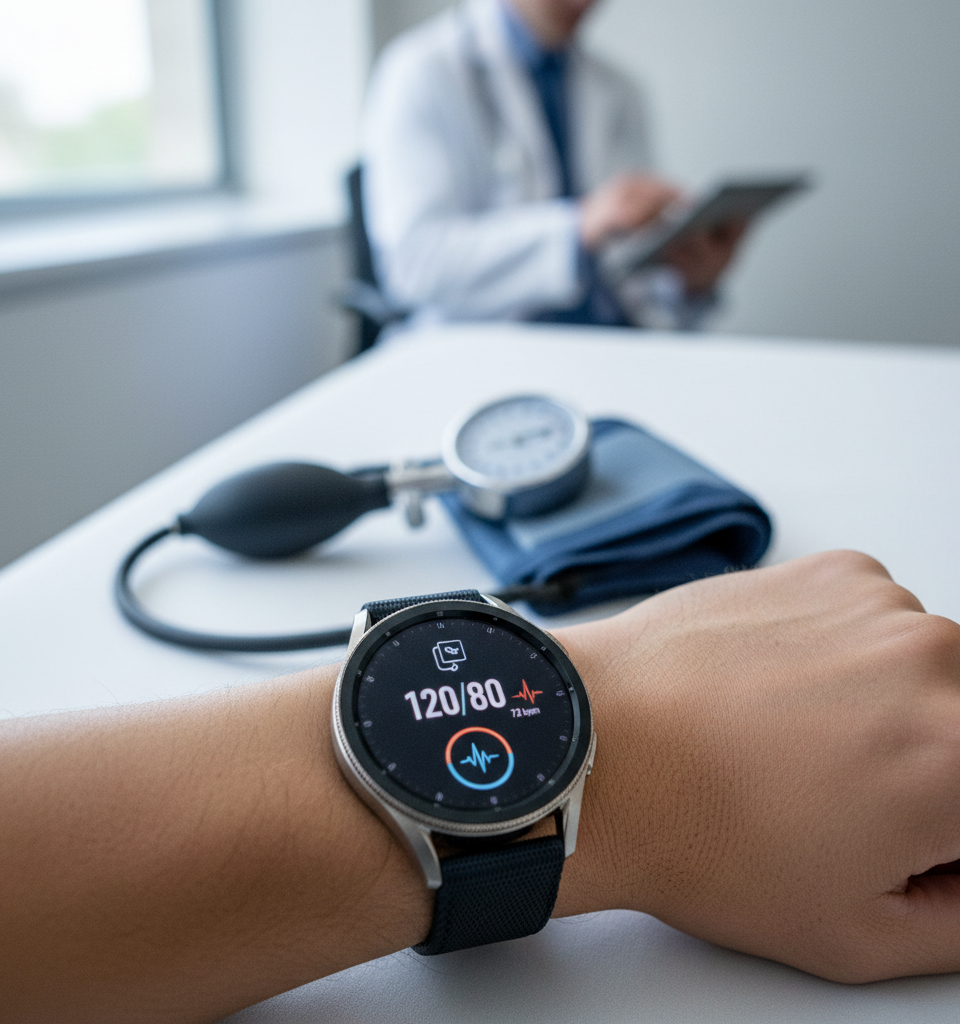
New York, NY – [Date, e.g., October 26, 2023] – After years of anticipation and meticulous regulatory navigation, Samsung has officially enabled blood pressure measurement functionality for its Galaxy Watch series in the United States. This pivotal development, confirmed by Samsung Electronics America, ushers in a new era for consumer health technology, allowing millions of American users to access regular blood pressure readings directly from their wrists. The feature, previously available in markets like South Korea and Europe, was contingent on crucial clearance from the U.S. Food and Drug Administration (FDA), which has now been granted, positioning Samsung as a formidable player in the burgeoning digital health landscape.
The Long Road to Regulatory Approval and Its Significance
The activation of blood pressure monitoring on the Galaxy Watch in the US is not merely an incremental update; it represents a significant milestone in wearable health tech. For years, smartwatches have tracked heart rate and activity, but more advanced diagnostic features like blood pressure and ECG have been meticulously scrutinized by regulatory bodies. The FDA's rigorous approval process ensures the accuracy and reliability of such medical-grade functions, safeguarding public health. Hypertension, or high blood pressure, affects nearly half of all adults in the US, according to the CDC, making accessible monitoring a critical tool for early detection and management. This feature empowers users to track their numbers regularly, providing valuable data for their healthcare providers.
Key Details and Operational Specifics
To utilize the blood pressure monitoring feature, Galaxy Watch users in the U.S. will need to calibrate their device with a traditional, cuff-based blood pressure monitor, performing this calibration every 28 days for optimal accuracy. The readings, delivered via the Samsung Health Monitor app, are intended as health insights and not as a substitute for professional medical diagnosis or treatment. Compatible devices include recent Galaxy Watch models, such as the Galaxy Watch 3, Watch 4, Watch 5, and Watch 6 series. Samsung emphasizes that while the watch provides convenient real-time data, it is designed to complement, not replace, regular medical check-ups and prescribed treatments. The company has invested substantial resources in clinical validation to meet FDA's stringent requirements, demonstrating a commitment to responsible innovation in health technology.
Industry and Market Impact: A Competitive Edge
This FDA approval provides Samsung with a considerable competitive advantage in the fiercely contested wearable market. While competitors like Apple Watch offer ECG functionality and blood oxygen monitoring, integrated, FDA-cleared blood pressure tracking has been a coveted, yet elusive, feature for many. Analysts predict that this could drive a significant uplift in Galaxy Watch sales, particularly among health-conscious consumers and those managing chronic conditions. The global smartwatch market is projected to reach over $100 billion by 2027, with health features being a primary growth driver. Samsung's move could also inspire other wearable manufacturers to accelerate their own regulatory efforts, intensifying the race for advanced health diagnostics on the wrist.
Expert Perspectives on User Empowerment and Healthcare Integration
Healthcare technology analysts commend Samsung's achievement. Dr. Eleanor Vance, a lead analyst at TechHealth Insights, stated, "This isn't just a gadget update; it's a step towards democratizing health data. By bringing consistent blood pressure monitoring to a widely adopted consumer device, Samsung is enabling proactive health management, potentially reducing the burden on primary care by empowering individuals with more frequent data points." Others, like Mark Gurman of Bloomberg, have long highlighted the technical and regulatory hurdles faced by companies seeking to integrate such features, underscoring the significance of Samsung's success. The integration with the broader healthcare ecosystem, allowing seamless data sharing with medical professionals, will be the next crucial step for widespread adoption and utility.
Future Implications and Expanding Health Ecosystems
Looking ahead, Samsung's foray into FDA-cleared blood pressure monitoring sets a precedent for future innovations. The company is likely to continue expanding its health monitoring capabilities, potentially exploring features like non-invasive glucose monitoring or advanced sleep apnea detection, though these present even greater technical and regulatory challenges. The availability of robust health data from wearables also holds immense potential for telehealth services and personalized medicine, allowing doctors to make more informed decisions based on continuous, real-world patient data. This approval not only solidifies Samsung's position as a leader in wearable technology but also signals a broader shift towards empowering individuals with sophisticated, actionable health insights, gradually transforming the paradigm of personal healthcare management.
The Unfolding Narrative of Wearable Health
Ultimately, Samsung's success in bringing FDA-cleared blood pressure monitoring to the Galaxy Watch in the US marks a pivotal moment in the evolution of wearable technology from fitness trackers to sophisticated health management tools. It underscores the intensifying convergence of consumer electronics and healthcare, promising a future where our devices play an even more integral role in maintaining and improving our well-being. The challenge now lies in ensuring accuracy, user education, and seamless integration with the broader medical community to fully realize the transformative potential of these advancements.