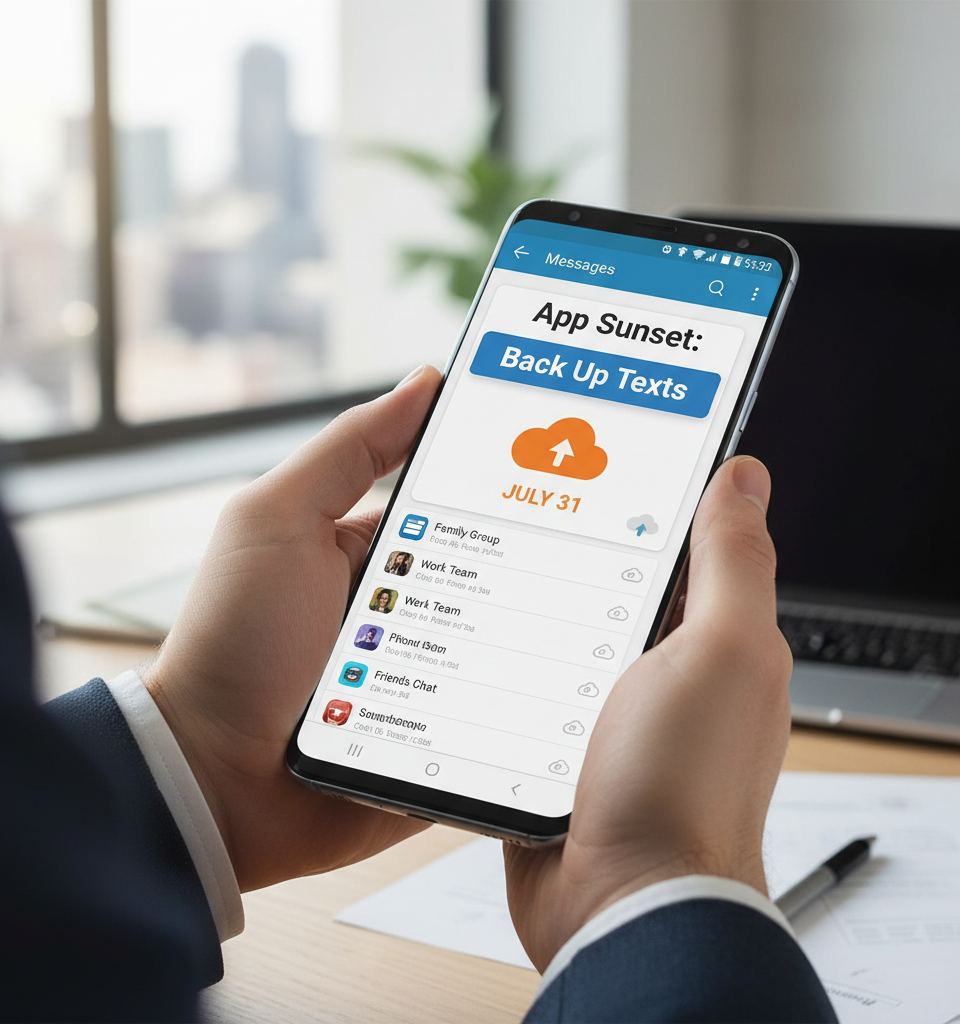
Millions of Samsung smartphone users are confronting an urgent mandate to safeguard their digital conversations as the technology giant prepares to discontinue its proprietary Samsung Messages application this July. This impending sunset means that all message data stored within the app will be permanently deleted unless users take proactive steps to back up their conversations. The transition marks a pivotal moment for Samsung's ecosystem, directing users toward Google Messages as the primary alternative and emphasizing the importance of timely data migration to preserve personal and professional communication histories.
The Shifting Sands of Mobile Messaging
This development underscores a broader industry trend where device manufacturers are increasingly consolidating services around native Android applications or promoting strategic partnerships. For years, Samsung Messages served as the default SMS/MMS client on many Samsung devices, offering a familiar interface and integration with the company's established services. However, the move away from proprietary messaging applications reflects a push towards standardization and a unified user experience across the Android platform, largely driven by Google's advancements in RCS (Rich Communication Services) and its ambition to compete more effectively with platforms like Apple's iMessage.
This shift has been subtly occurring over several quarters, with newer Samsung devices often defaulting to Google Messages, but the formal discontinuation of the legacy app now brings this transition to a head for the existing user base.
Essential Backup Strategies and Tools
Users have access to at least two primary, free, and accessible methods to back up their valuable conversations before the July deadline. The first recommended approach leverages Samsung Cloud, the company's integrated cloud storage solution. Users can navigate to their device's settings, locate the 'Accounts and backup' section, and initiate a backup that includes their messages.
This method offers a seamless way to archive not just messages but also call logs, contacts, and device settings, making device migration or restoration straightforward. A second equally vital method involves utilizing Google Drive, Google's cloud storage service. Through the Google Messages application (which many Samsung users will likely transition to), a built-in backup feature allows for the automatic or manual saving of messages, call history, and other data directly to a user's Google Drive account.
This ensures data portability, especially for users considering non-Samsung Android devices in the future. Both methods emphasize user autonomy over their data, offering clear pathways to prevent data loss.
Industry Repercussions and User Experience
The phasing out of Samsung Messages represents another step in the tech industry's ongoing rationalization of services. While some users might perceive this as an inconvenience, the long-term goal for companies like Samsung and Google is often an improved, more consistent user experience, especially regarding features like RCS, which enable richer media sharing, typing indicators, and read receipts akin to modern chat applications. This consolidation could lead to better interoperability and fewer fragmented communication experiences across the Android ecosystem. However, it also places the burden of data migration squarely on the end-user, highlighting the need for clear communication and accessible support from manufacturers.
Expert Insights on Data Migration
Technology analysts suggest that such moves, while disruptive in the short term, are beneficial for ecosystem health. "The consolidation of messaging platforms around Google Messages, particularly with its strong push for RCS, is a strategic imperative for Android's competitiveness," states Dr. Aris Thorne, a mobile technology expert at Tech Innovations Group. "While some users might miss the bespoke features of Samsung's app, the broader benefits of a unified, feature-rich messaging standard, especially regarding security and multimedia capabilities, outweigh the temporary inconvenience. The key for manufacturers is to provide extremely clear, step-by-step guidance for data migration to mitigate user friction and potential data loss." This perspective underscores the balance between innovation and user support during significant platform changes.
The Path Forward: Embracing a Unified Messaging Future
Looking ahead, the discontinuation of Samsung Messages is indicative of a broader trend towards a more standardized and interconnected mobile environment. Users can anticipate continued integration of messaging services with core operating system functionalities, potentially leading to enhanced features, cross-device synchronization, and an overall more unified digital communication experience. For Samsung, this transition frees up resources that can be reallocated to other areas, such as device hardware innovation, AI integration, or the development of its broader SmartThings ecosystem.
For users, the immediate focus remains on securing their message archives, but the long-term outlook points to a richer, more powerful messaging platform powered by Google's ubiquitous services. This shift emphasizes the ever-evolving nature of mobile technology and the continuous need for users to stay informed about changes affecting their digital lives.