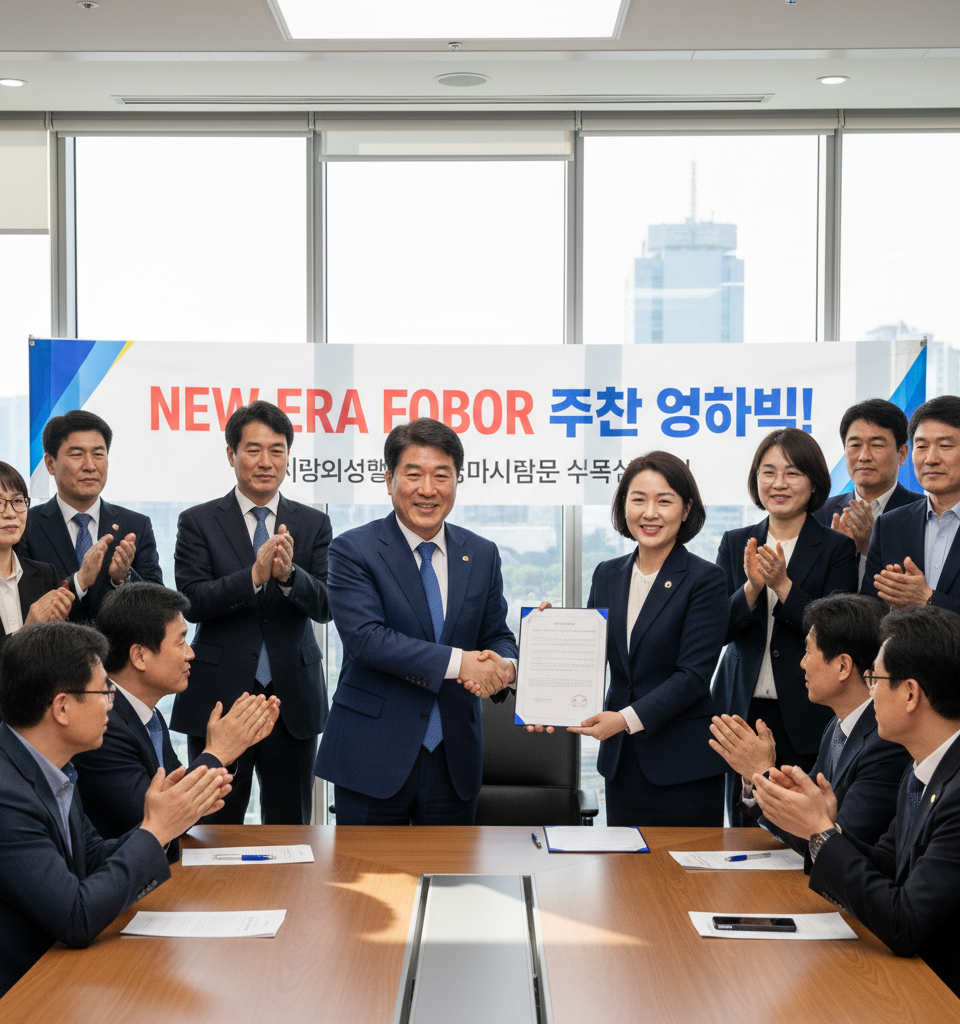
The recent ratification of a novel pay agreement at Samsung Electronics, which includes a bonus formula tied to 10.5% of the company's profits, is being heralded as a pivotal moment for organized labor in South Korea. The Samsung Electronics' unionized workforce formally voted in favor of the government-mediated deal on Wednesday, effectively solidifying an accord that narrowly overcame an injunction filing from a smaller non-chip union just one day prior.
A New Precedent in Profit-Sharing
This agreement stands out as only the second written profit-share arrangement ever reached at a major Korean corporation. Typically, compensation structures are more rigidly defined, making this flexible, performance-based bonus a significant departure from established norms. The deal not only secures a substantial collective bonus for employees but also sets a powerful precedent for other unions across the nation, demonstrating that linking worker compensation directly to company success is an achievable goal.
The Broader Context of Korean Labor
For decades, Samsung, a chaebol at the heart of South Korea's economy, was largely seen as a bulwark against unionization. Its sheer size and influence often meant a different dynamic than that found in smaller South Korean firms. This latest development suggests a softening of that historically robust anti-union stance, potentially influenced by shifting governmental attitudes toward labor relations and an increasingly organized workforce within even the largest conglomerates. The government's mediation rôle in this specific agreement further underscores its significance and the broader implications for industrial harmony.
Immediate Repercussions and Industry-Wide Ripples
The immediate impact of the Samsung agreement is already being felt. Notably, the union at Kakao, another prominent South Korean firm, is reportedly already leveraging the Samsung deal to push for enhanced compensation in their own negotiations. This rapid response indicates that the Samsung accord is not merely an isolated incident but a potential catalyst, creating a ripple effect across various sectors of the Korean economy. Companies accustomed to more traditional compensation models may soon face increased pressure from their workforces to adopt similar, more equitable profit-sharing schemes.
The Future of Labor Negotiations
Looking ahead, this agreement is likely to reshape the landscape of labor negotiations in South Korea. Unions, empowered by the Samsung precedent, are expected to increasingly advocate for transparent profit-sharing mechanisms, aiming to ensure that employees directly benefit from the companies' financial successes. This could lead to more collaborative negotiation processes, but also potentially more contentious ones, as companies grapple with the implications of such agreements on their financial planning and competitiveness. The long-term success of these models will depend on their sustainability and their ability to genuinely align the interests of both management and labor.
Potential Challenges and Opportunities
While the deal is largely seen as a positive step for workers, integrating such a dynamic bonus structure into existing corporate frameworks presents its own set of challenges. Companies will need robust and transparent metrics to define profit shares, avoiding disputes over calculations. For employees, the opportunity lies in a more direct stake in their company's performance, potentially boosting morale and productivity. As other unions take note and push for similar terms, the coming months are expected to reveal whether the Samsung agreement truly marks a systemic change or merely a significant, yet isolated, victory for labor.