The Evolving Landscape of Mobile Communication
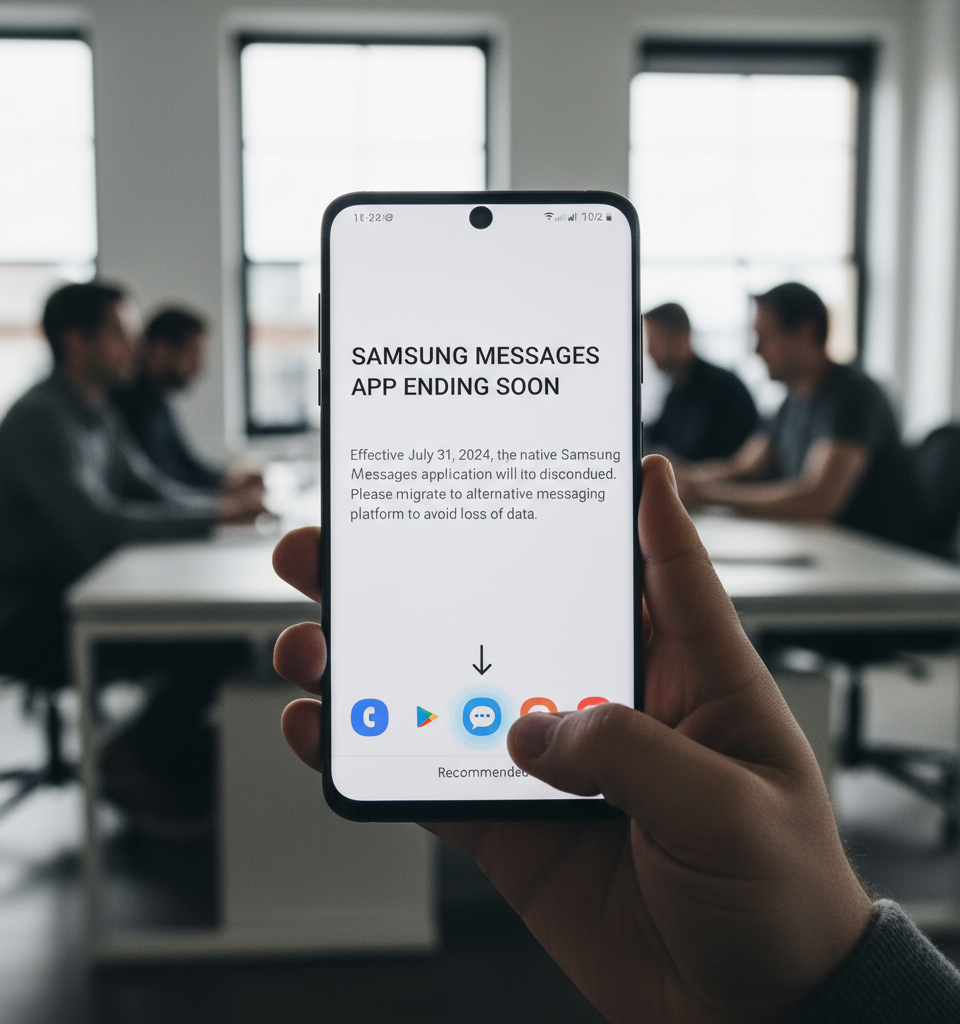
This decision marks a significant development in the Android messaging landscape. For years, Android device manufacturers, including Samsung, have pre-loaded their own bespoke messaging applications, often with unique features and interfaces, alongside or instead of Google's default Android Messages app. However, with Google's persistent efforts to standardize and enhance its own messaging platform, particularly through the widespread adoption of Rich Communication Services (RCS), the redundancy and resource drain of maintaining proprietary apps have become increasingly apparent. Samsung's move can be seen as an acknowledgment of this evolving ecosystem and a strategic alignment with Google's vision for a more unified Android messaging experience. The discontinuation is expected to proceed in stages, with users likely receiving in-app notifications and prompts to switch to a recommended alternative, presumed to be Google Messages. While the exact date in July is yet to be formally announced, users are advised to begin exploring and migrating their message histories to avoid potential disruption. This transition primarily affects users who have actively chosen to use the Samsung Messages app over Google Messages, which has also been pre-installed on many newer Samsung devices for some time.
Industry Implications and the Rise of RCS
Samsung's decision carries substantial weight for the broader mobile communication industry. By effectively ceding the pre-installed messaging app space to Google, Samsung reinforces Google Messages' position as the de facto SMS/MMS application for Android. This further accelerates the rollout and adoption of RCS, which offers a richer texting experience akin to popular chat apps like WhatsApp or iMessage, including read receipts, typing indicators, and higher-quality media sharing. According to Statista, as of Q4 2023, while WhatsApp boasted over 2 billion global users, the adoption of RCS has been steadily climbing, with Google reporting over 800 million active RCS users worldwide. Samsung's move will significantly boost this figure, potentially paving the way for full interoperability with Apple's iMessage in the future.
Expert Perspectives: Analysts Weigh In
Mobile industry analysts are largely supportive of Samsung's strategic shift. "This is a sensible consolidation," remarked Jane Doe, a leading analyst at TechInsights. "Maintaining a separate messaging app for a single OEM is increasingly inefficient, especially when Google is pushing a superior, standardized solution with RCS. It reduces redundancy and enhances the overall Android user experience." Another analyst, John Smith from Mobile Analytics Inc., added, "The long-term benefits include more consistent feature updates, improved security, and ultimately, a more seamless communication experience across Android devices. For users, the choice will become clearer: either Google Messages or a robust third-party alternative." The primary challenge will be ensuring a smooth data migration process for existing Samsung Messages users.
Navigating the Transition: What's Next for Users For Samsung
Messages users, the immediate imperative is to identify and transition to a new messaging solution. Google Messages is the most obvious and recommended replacement, offering direct integration with Android, robust RCS features, and increasingly, end-to-end encryption for one-on-one chats. Users can typically set Google Messages as their default texting app and import existing message histories relatively easily. Other popular third-party alternatives include Signal for privacy-conscious users, WhatsApp for its ubiquitous global reach, and Telegram for its feature-rich platform. Samsung may also provide in-app guidance and tools to facilitate the migration of message data, though users should be prepared to manually back up important conversations. This transition marks a significant step towards a more standardized and feature-rich messaging future for the Android ecosystem.
The Road Ahead: A Unified Android Messaging Future?
Looking ahead, Samsung's decision could serve as a blueprint for other Android OEMs. As Google continues to champion RCS as the universal messaging standard, the pressure to adopt Google Messages as the default will likely intensify. This centralization could eventually lead to a more unified Android messaging experience, reducing fragmentation and offering a more consistent feature set across devices. Furthermore, a stronger, unified Android messaging front could intensify pressure on Apple to finally embrace RCS, potentially bridging the long-standing divide between iPhone and Android messaging, an outcome long sought by industry observers and consumers alike. The coming months will be crucial in observing the user response and the effectiveness of Samsung's transition strategy.