For businesses operating in the competitive consumer electronics and IoT sectors, Samsung's strategic design choices for its next-generation SmartTag are a critical indicator of market direction and potential innovation in personal asset tracking. Monitoring how this design shift influences user adoption and competitive offerings will provide valuable insights into evolving consumer preferences and the potential for market disruption.
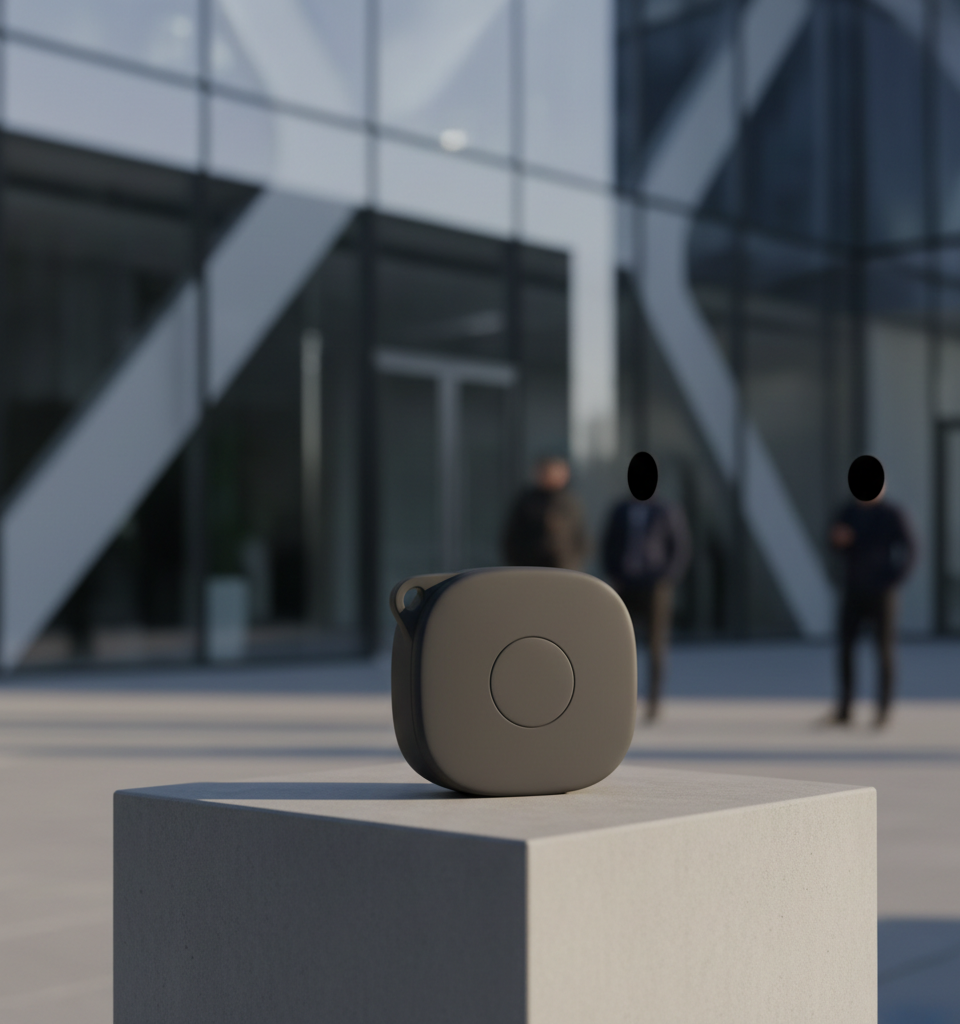
Samsung is reportedly gearing up for the introduction of its third-generation smart tracker, the Galaxy SmartTag3. Anticipation surrounds this upcoming device, primarily due to leaked illustrations suggesting a significant departure from its predecessors with a revised squircle-like form factor.
Design Evolution and Potential Implications
Previous iterations of the Galaxy SmartTag have largely adhered to a more conventional, often rectangular or rounded rectangular design. The proposed squircle shape for the SmartTag3 marks a notable aesthetic and potentially functional shift. This design choice is not merely cosmetic; it could influence how the device is attached to items, its durability, and its overall integration into daily use. Such a re-evaluation of form could indicate Samsung's intent to broaden the tracker's appeal or enhance specific use cases not optimally served by current designs.
Functionality and User Interaction
The squircle design, a hybrid between a square and a circle, offers a balance of soft edges and a larger surface area compared to a pure circle, potentially allowing for better integration of internal components or a larger battery. This could translate into improved signal strength, extended battery life, or new features. More importantly, the shape could influence user interaction, perhaps making it easier to attach to diverse objects like luggage, pet collars, or keychains, or offering a more ergonomic feel for manual handling. The competitive landscape for smart trackers necessitates continuous innovation in both form and function to capture and retain user bases.
Competitive Landscape and Market Impact
The smart tracker market remains highly competitive, with established players like Apple's AirTag and various third-party offerings vying for consumer attention. Samsung's decision to dramatically alter the SmartTag's physical design could be a strategic move to differentiate itself. A distinctive shape might enhance brand recognition and allow the SmartTag3 to stand out in a crowded market. The success of this design change will largely depend on its practical benefits and how effectively Samsung communicates these advantages to consumers, particularly against rivals whose designs are already familiar to a broad audience.
The Road Ahead for Smart Tracking
Should the leaked illustrations prove accurate, the Galaxy SmartTag3’s squircle design could initiate a new trend in the smart tracker segment, prompting competitors to reassess their own industrial designs. Beyond aesthetics, the core functionality of precise location tracking, privacy safeguards, and robust network integration will remain paramount. The market will closely observe whether this design innovation translates into a tangible competitive edge and contributes to Samsung's broader ecosystem strategy, particularly its SmartThings platform.
Anticipated Launch and Future Outlook
While an official launch date for the Galaxy SmartTag3 has not been announced, the emergence of detailed leaks often precedes a formal unveiling by Samsung. Industry watchers will be keen to see if the new shape is accompanied by significant technological advancements, such as enhanced ultra-wideband (UWB) capabilities, improved anti-stalking features, or deeper integration with Samsung's Bixby assistant and broader device ecosystem. The success of the SmartTag3, particularly its new design, will offer a crucial barometer for the future direction of personal item tracking technology.