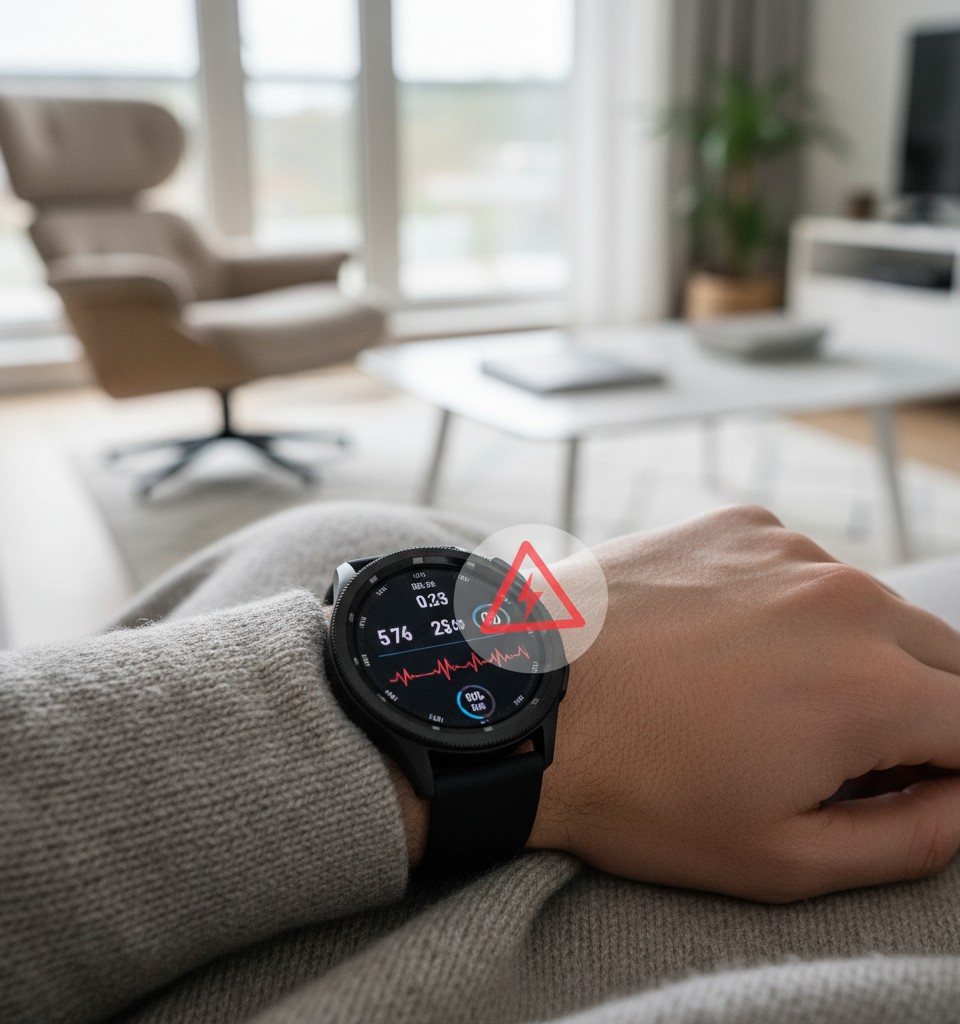
Wearable technology is breaking new ground in personal health, with Samsung's smartwatches now showing an ability to predict certain fainting spells. Recent studies indicate these devices can detect physiological precursors to vasovagal syncope, a common type of fainting affecting up to 40% of the population. While promising for individuals prone to such episodes, the journey from predictive capability to widespread clinical application is fraught with complexities, including regulatory approvals, data accuracy, and user accessibility.
The Unseen Threat of Fainting
Fainting, medically known as syncope, can range from a minor inconvenience to a serious health concern, potentially leading to injuries from falls or indicating underlying cardiovascular issues. Vasovagal syncope, often triggered by stress, pain, or prolonged standing, accounts for a significant portion of these incidents. Historically, predicting such episodes has been challenging, relying primarily on recognizing an individual's personal prodromal symptoms like dizziness or nausea. The advent of smartwatches capable of continuous, non-invasive physiological monitoring offers an unprecedented opportunity to provide early warnings, potentially mitigating the risks associated with these sudden losses of consciousness.
Technological Underpinnings and Current Limitations
Samsung's smartwatches leverage an array of sensors, including photoplethysmography (PPG) for heart rate variability and blood pressure estimation, and accelerometers for detecting body movements. Researchers have explored patterns in these data streams that correlate with impending syncopal events. For instance, subtle changes in heart rate, blood pressure, and autonomic nervous system activity can precede a faint. However, current research is often conducted in controlled environments or with limited sample sizes. A key challenge lies in distinguishing vasovagal syncope from other conditions with similar physiological markers, ensuring high specificity and minimizing false positives. Furthermore, the algorithm's effectiveness can vary significantly across different demographics and individual physiological profiles.
Impact on the Wearable Health Market
The prospect of a smartwatch capable of predicting fainting episodes could significantly disrupt the wearable health market, which is projected to reach over $100 billion by 2027. Companies like Apple, Fitbit, and Garmin are heavily investing in health monitoring features, from ECG capabilities to blood oxygen saturation. Samsung's potential breakthrough could carve out a unique niche, emphasizing proactive health management rather than just reactive data collection. This competitive edge could drive further innovation in sensor technology and AI-driven health analytics among competitors, pushing the entire industry towards more sophisticated diagnostic and predictive capabilities. It could also open new revenue streams through subscription-based health services.
Expert Perspectives on Adoption and Accuracy
Medical experts emphasize that while the technology is exciting, rigorous clinical validation is paramount before widespread adoption. Dr. Emily Chen, a cardiologist specializing in electrophysiology, notes, "The holy grail is a device that can reliably warn patients of an imminent faint. However, false alarms could lead to alarm fatigue, and missing a genuine event could have serious consequences. The accuracy and reliability of these algorithms need to be thoroughly tested in diverse, real-world populations." Regulatory bodies, such as the FDA, will demand extensive clinical trial data demonstrating both safety and efficacy, potentially prolonging market entry. Furthermore, data privacy and security remain critical concerns, as these devices collect highly sensitive personal health information.
The Road Ahead: Integration and Personalization
The future undoubtedly points towards deeper integration of such predictive analytics into comprehensive digital health platforms. Beyond simply predicting a faint, future iterations could offer personalized interventions, such as guided breathing exercises or prompts to sit down, triggered by early detection. Further research will focus on enhancing the robustness of algorithms, potentially incorporating machine learning models trained on vast datasets of physiological responses. Collaborative efforts between tech companies, medical institutions, and regulatory bodies will be crucial to bring this innovative technology from research labs to the wrists of millions, empowering individuals with a new level of control over their health and well-being. Ultimately, the goal is not just to predict, but to prevent and personalize care in an increasingly data-driven healthcare landscape.