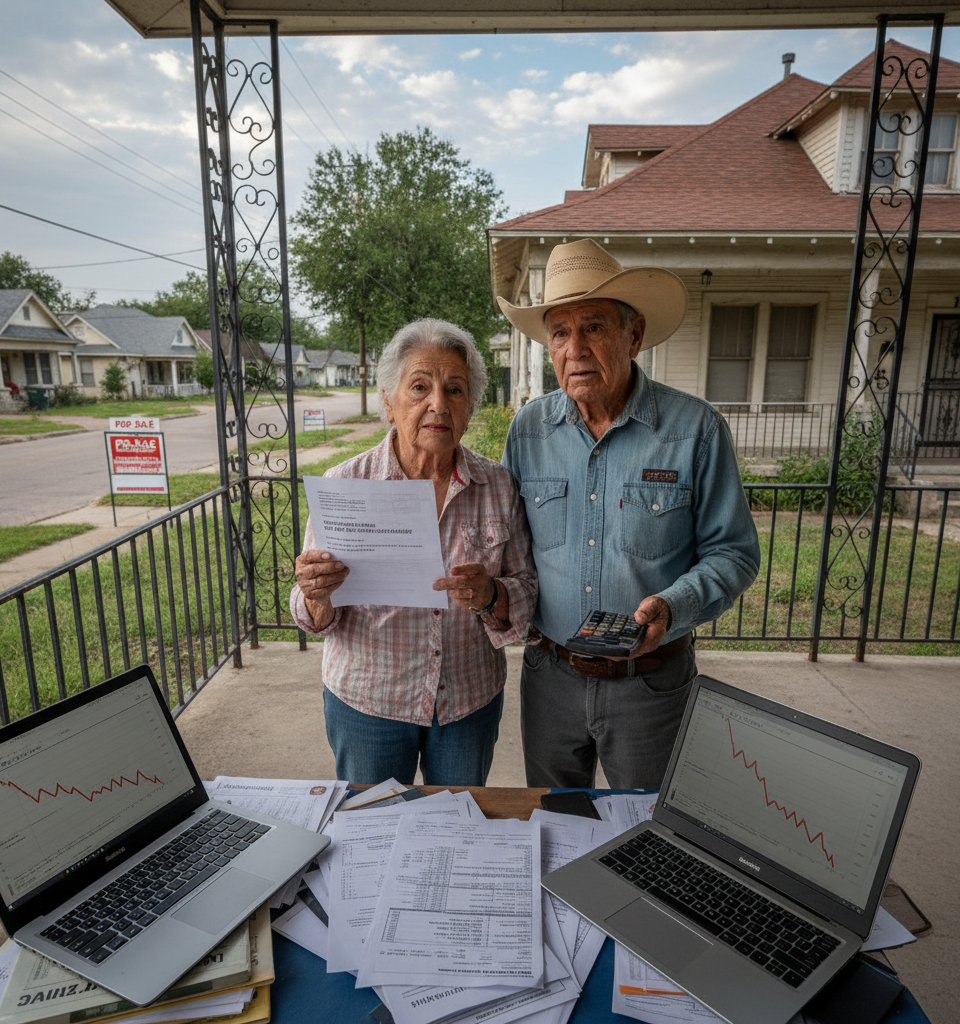
San Antonio's City Council is currently deliberating a significant property tax hike, a move not seen in over three decades, to buttress critical municipal services including police, fire, and library departments. This extraordinary measure comes at a challenging time for residents, as many homeowners are simultaneously experiencing a decline in their property's market value, creating a difficult financial paradox for the city and its taxpayers.
Unprecedented Fiscal Challenges
The current fiscal year presents a stark contrast to previous periods of growth, forcing the city to reconsider its long-standing commitment to a consistent tax rate. For generations, San Antonio has prided itself on maintaining municipal services without resorting to property tax increases, a testament to its conservative budgeting and a robust property market. However, the confluence of a cooling housing market, rising operational costs, and persistent inflation has eroded the city's financial buffers, making a tax increase a perceived necessity rather than an option. The last time the city enacted a property tax rate increase was in 1991, highlighting the historical significance of the current deliberations.
The Property Value Paradox
Compounding the burden on homeowners is the recent downturn in residential property values. While specific city-wide data for the most recent dip is still being compiled, local real estate agencies report a cooling market following a pandemic-fueled boom. This stands in stark opposition to the common perception that property taxes rise only when values appreciate. The proposed tax hike would, in effect, increase the tax rate applied to these diminished values, leading to a net increase in tax bills for many residents. This situation is colloquially termed a "housing hangover," where the after-effects of market exuberance are now translating into tangible financial pain.
Impact on Public Services
The proposed tax increase is primarily earmarked to prevent significant cuts to vital public safety and community programs. Projections indicate that without additional revenue, departments like the San Antonio Police Department, San Antonio Fire Department, and the city's public libraries would face staffing reductions, service curtailments, and deferred maintenance. For example, fire department officials have warned that without sufficient funding, response times could be negatively impacted, and critical equipment upgrades might be delayed. The library system has also highlighted potential reductions in operating hours and community outreach programs, disproportionately affecting underserved populations.
Expert Analysis and Community Reaction
Economists and urban policy experts are divided on the long-term implications of such a move. Dr. Elena Rodriguez, an urban economics professor at the University of Texas at San Antonio, stated, "While unpopular, a targeted tax increase can be a necessary evil to maintain core services, especially when economic conditions are shifting. The key will be transparency in how these funds are allocated and a clear sunset provision or performance metrics to ensure accountability." Homeowners, however, have expressed considerable anxiety, with many attending recent council meetings to voice their concerns about affordability and the timing of the proposed hike, particularly given the broader inflationary pressures on household budgets.
Next Steps and Future Outlook
The City Council is expected to hold several more public hearings before a final vote on the proposed tax rate. If approved, the new rate would take effect later this year, impacting property tax bills sent out in the autumn. Beyond the immediate fiscal challenge, this situation may prompt a broader discussion about San Antonio's revenue diversification strategies and long-term financial planning. City officials may explore alternative funding mechanisms and seek state-level assistance to mitigate future property tax reliance, particularly as demographic shifts and economic volatilities continue to influence municipal budgets.