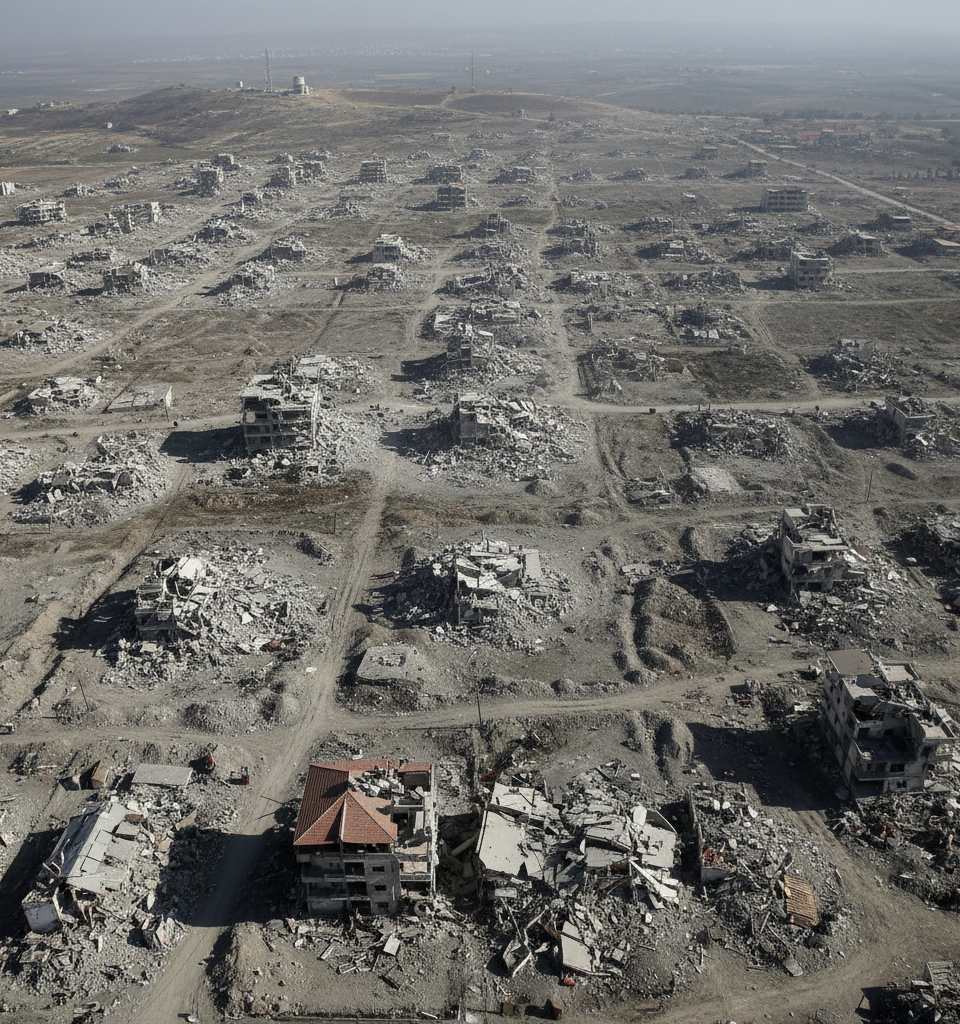
BEIRUT & LONDON – May 21, 2024 – More than 1,400 buildings in Southern Lebanon have been destroyed by Israeli demolitions since March 2, 2024, according to compelling new analysis by BBC Verify. The systematic razing of structures, often entire neighborhoods, is reshaping border towns previously bustling with civilian life, turning them into barren landscapes. This unprecedented level of destruction highlights an escalating conflict along the Israel-Lebanon border, primarily between the Israel Defense Forces (IDF) and Hezbollah, and points to a potential strategy of creating a buffer zone at the expense of Lebanese communities.
Context of Escalation and Strategic Implications
The ongoing demolitions are occurring amidst a significant escalation of hostilities following the October 7 attacks by Hamas on Israel. While direct conflict initially focused on Gaza, the northern front with Lebanon has steadily intensified, with daily exchanges of fire, drone strikes, and artillery barrages. The scale of destruction, as evidenced by satellite imagery, suggests a deliberate and widespread campaign beyond defensive operations. This scorched-earth approach is perceived by many as an attempt to render these border areas uninhabitable or to establish a de facto security zone within Lebanese territory, dramatically altering the demographic and political landscape of the region.
Data Reveals Over 1,400 Buildings Destroyed Since March
BBC Verify, utilizing high-resolution satellite imagery from Planet Labs PBC and other commercial providers, meticulously identified and cataloged the destruction. The analysis indicates that over 1,400 structures across multiple Lebanese border towns have been completely demolished or sustained catastrophic damage beyond repair in just over two months. Key affected areas include Ayta ash Shab, Houla, and Kfar Kila, where entire sections of residential and commercial properties have been obliterated. This figure marks a significant increase from previous assessments, underscoring the accelerating pace of destruction. Residents who have managed to visit the areas under temporary lulls report a landscape utterly transformed, with homes, shops, and agricultural infrastructure reduced to rubble, rendering any immediate return impossible.
Humanitarian Crisis and Economic Devastation
The impact on the local population is catastrophic. Thousands of Lebanese civilians have been displaced from their homes, forced to seek refuge further north, often in overcrowded conditions with limited access to resources. The destruction of residential buildings, combined with damage to agricultural land, livestock, and essential infrastructure, has decimated local economies. Farmers, once reliant on fertile lands along the border, have lost their livelihoods, while small businesses have been completely wiped out. International aid organizations are struggling to access affected areas and provide comprehensive assistance, with the ongoing hostilities complicating relief efforts and assessments of long-term needs.
Expert Analysis: A Deliberate Strategy for a Buffer Zone
Security analysts and Middle East experts largely interpret these demolitions as a deliberate tactic by Israel. Dr. Omar Nashabe, a Beirut-based security analyst, stated, "This isn't just collateral damage from shelling; it's systematic. Israel appears to be implementing a strategy of creating a uninhabitable buffer zone within Lebanese territory. It serves multiple purposes: deterring Hezbollah, preventing future incursions, and potentially redrawing the lines of engagement. The humanitarian cost, however, is immense and risks long-term resentment." Other experts suggest this could be a pre-emptive measure to prevent Hezbollah from utilizing such areas for future military operations, but critics argue it constitutes collective punishment and a violation of international law.
Calls for International Intervention and Future Implications
Lebanese officials have condemned the demolitions as a violation of sovereignty and international law, urging the international community to intervene. Caretaker Prime Minister Najib Mikati has repeatedly called for an immediate cessation of hostilities and a return to the 2006 ceasefire resolution. The comprehensive destruction has significant implications for any future peace or de-escalation efforts. Rebuilding these communities will require billions of dollars and decades of work, even if hostilities cease. Furthermore, the deliberate alteration of the landscape could create new flashpoints and complicate any future border demarcation or return of displaced populations, sowing the seeds for long-term instability in a region already grappling with profound geopolitical challenges. The United Nations Interim Force in Lebanon (UNIFIL) continues to monitor the situation, but its capacity to prevent such large-scale destruction remains limited amidst active military engagements.
The Path Forward: Uncertain Prospects for Southern Lebanon
The immediate future for Southern Lebanon remains highly uncertain. With no clear end to the conflict in sight, further destruction is highly probable. The international community faces increasing pressure to address the humanitarian crisis and to broker a sustainable ceasefire that includes provisions for the safe return and reconstruction of these devastated communities. Without a robust diplomatic solution, the ghost towns of Southern Lebanon risk becoming permanent scars on the regional landscape, symbolizing the profound human cost of unrelenting conflict and the erosion of international norms.