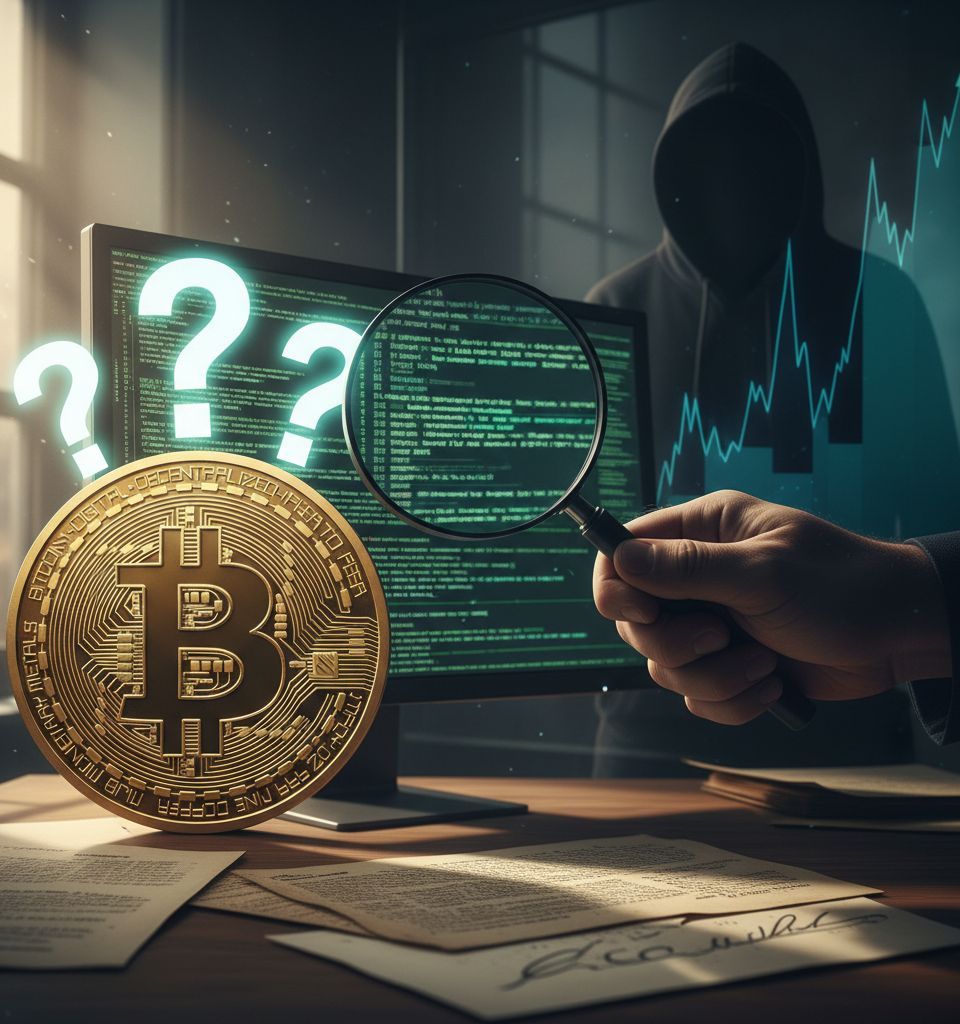
The perennial quest to unmask Satoshi Nakamoto, the pseudonymous creator of Bitcoin, has once again captured global attention with the simultaneous release of two significant investigative efforts. One, spearheaded by a Pulitzer Prize-winning reporter, and another independent project, both claim to have definitively identified Nakamoto, sparking immediate discussion and skepticism across the cryptocurrency ecosystem. These long-awaited revelations, emerging in recent weeks, aim to put an end to one of the most enduring mysteries of the digital age, yet the absence of irrefutable, cryptographic proof leaves the community largely unconvinced.
The Enduring Enigma of Satoshi Nakamoto
The identity of Satoshi Nakamoto has remained a central enigma since Bitcoin's whitepaper was published in October 2008 and its Genesis Block mined in January 2009. This anonymity is deeply intertwined with Bitcoin's foundational ethos of decentralization and distrust in central authorities. Over the past 14 years, numerous individuals, from Hal Finney to Nick Szabo and most famously Craig Wright, have been proposed or have self-proclaimed as Nakamoto, only for their claims to be debunked or remain unverified. The motivation behind Nakamoto's continued anonymity is a subject of intense speculation, ranging from a desire for privacy to preventing potential legal issues or even preserving Bitcoin's neutrality.
Unpacking the New Claims
The first project, detailed by a highly respected investigative journalist, reportedly draws on a confluence of linguistic analysis, digital forensics, and historical correspondence to point towards a specific individual with a background in cryptography and computer science. While the report presents compelling circumstantial evidence, it lacks the definitive cryptographic signature – such as moving funds from an early wallet known to belong to Satoshi – that many in the community deem essential for irrefutable proof. The second project, an independent research effort, similarly postulates a specific identity, utilizing an analysis of early Bitcoin code commits and forum activity.
Both investigations highlight meticulously gathered information, but neither has yet presented the smoking gun demanded by the highly technical cryptocurrency community. Key pieces of evidence cited include specific linguistic quirks found in Satoshi's writings and the timing of certain individuals' online activities correlating with periods of Satoshi's presence.
Impact on the Crypto Landscape
Historically, every major claim regarding Satoshi's identity has sent ripples through the crypto market, often causing minor fluctuations in Bitcoin's price. However, the current reaction to these new claims has been notably subdued. Bitcoin's price, hovering around the $60,000 to $65,000 range in recent trading, experienced no significant volatility directly attributable to these reports.
This subdued response underscores a growing maturity in the market, where investors increasingly prioritize fundamentals and broader macro trends over personality-driven narratives. Furthermore, the longevity of Bitcoin's decentralized nature means that Satoshi's identity, while historically significant, has little bearing on its operational validity or future development curve. The original 1 million Bitcoin estimated to be held by Satoshi remains untouched, valued currently at approximately $65 billion, adding to the intrigue.
Expert Skepticism and the Burden of Proof
Cryptocurrency experts and prominent figures within the blockchain community have largely reacted with a healthy dose of skepticism. Andreas Antonopoulos, a renowned Bitcoin educator, reportedly stated, "Without a cryptographic signature from Satoshi's early keys, these are just interesting theories, not proof." Similar sentiments have been echoed by developers and analysts who emphasize that any claim must be backed by irrefutable, on-chain evidence. The precedent set by past false claims, particularly those of Craig Wright, has raised the bar for what constitutes credible evidence, fostering a cautious wait-and-see approach among even the most ardent Bitcoin enthusiasts. The community's collective opinion is that the proof must come from Satoshi themselves, or through verifiable control of Satoshi's original genesis keys.
What Lies Ahead: The Enduring Search
Despite the current lack of widespread acceptance, these new investigations contribute to the ongoing historical record of Bitcoin's origins. While they may not have provided the definitive answer, they underscore the enduring fascination with its mysterious creator. Future developments could involve further digital forensics, deeper linguistic analysis, or even an unexpected move by Satoshi themselves – a scenario consistently discussed within the community. For now, the identity of Satoshi Nakamoto remains one of the most intriguing unsolved mysteries of the 21st century, a testament to the power of pseudonymity and the foundational principles of privacy embedded within the world's leading cryptocurrency. The pursuit will undoubtedly continue, with each new theory scrutinized under the unforgiving lens of cryptographic verification.