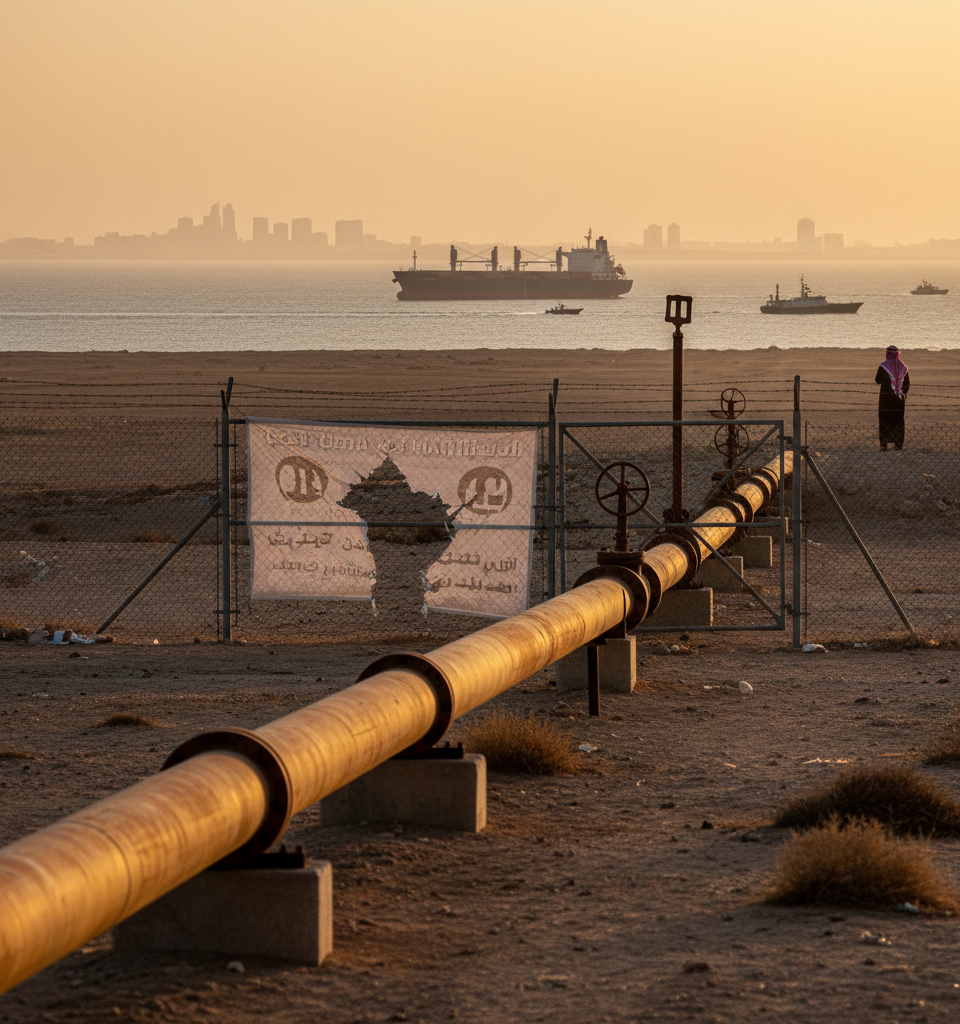
Cross-border supply chains face significant disruption and increased costs as a vital Saudi oil pipeline ceases operations. This escalating tension highlights the vulnerability of global trade routes to regional conflicts.
Saudi Arabia has enacted the shutdown of a key oil pipeline. This decision comes as Houthi forces reportedly tighten their influence over shipping activities in the Red Sea. The action signals a serious response to the increasing maritime insecurity in one of the world's most critical waterways.
Escalating Red Sea Tensions
The Red Sea, a narrow strip of water connecting the Indian Ocean to the Mediterranean via the Suez Canal, is a linchpin for global trade. Reports indicate that Houthi forces have been steadily increasing their operational control and threat capabilities within this region. This has prompted concerns among international maritime organizations and regional powers about the safety and security of commercial vessels.
The Houthis' asserted dominance over Red Sea shipping has introduced a new layer of risk for tankers and cargo ships traversing the area. This situation has already led some shipping companies to re-evaluate their routes or enhance security measures. The pipeline closure by Saudi Arabia underscores the severity of the Houthi actions and the potential for broader economic repercussions.
Pipeline Shutdown Details
The specific details regarding the pipeline's capacity, exact location, and the duration of its shutdown have not been fully disclosed. However, any interruption to Saudi oil infrastructure, even a precautionary one, has significant implications for global energy markets. The pipeline serves as an alternative or supplementary route for Saudi oil exports, lessening dependence on direct maritime shipments through conflict-prone areas.
This shutdown likely aims to protect vital infrastructure from potential attacks or collateral damage amidst heightened regional instability. It also could be a strategic move to manage oil flow in response to the uncertain shipping environment in the Red Sea. The move emphasizes the kingdom's intent to safeguard its energy assets and maintain control over its export capabilities.
Global Market Impact
The closure of a Saudi oil pipeline, coupled with persistent threats to Red Sea shipping, sends ripples through global energy markets. Energy prices could see upward pressure as traders factor in reduced supply flexibility and increased transit risks. Businesses relying on stable oil prices for operations, particularly in manufacturing and transportation, may face higher input costs.
Beyond oil, the general disruption to Red Sea shipping affects a wide array of goods. Supply chains for consumer products, industrial components, and agricultural commodities that typically transit through the Suez Canal could experience delays and higher freight insurance premiums. This could lead to longer delivery times and increased prices for consumers worldwide.
The Path Forward
The immediate future depends heavily on the de-escalation of tensions in the Red Sea and the resolution of the Houthi's assertiveness. International efforts are likely to intensify to secure the vital shipping lane and encourage dialogue among regional actors. Saudi Arabia's decision to shut down the pipeline is a clear signal of the serious challenges posed by the current situation.
Stakeholders across the shipping, insurance, and energy sectors will be closely monitoring developments. The duration of the pipeline closure and the ongoing status of Red Sea shipping will be key indicators of the broader economic impact. The global community faces the task of navigating this complex geopolitical landscape to ensure the continued flow of international trade and energy resources.