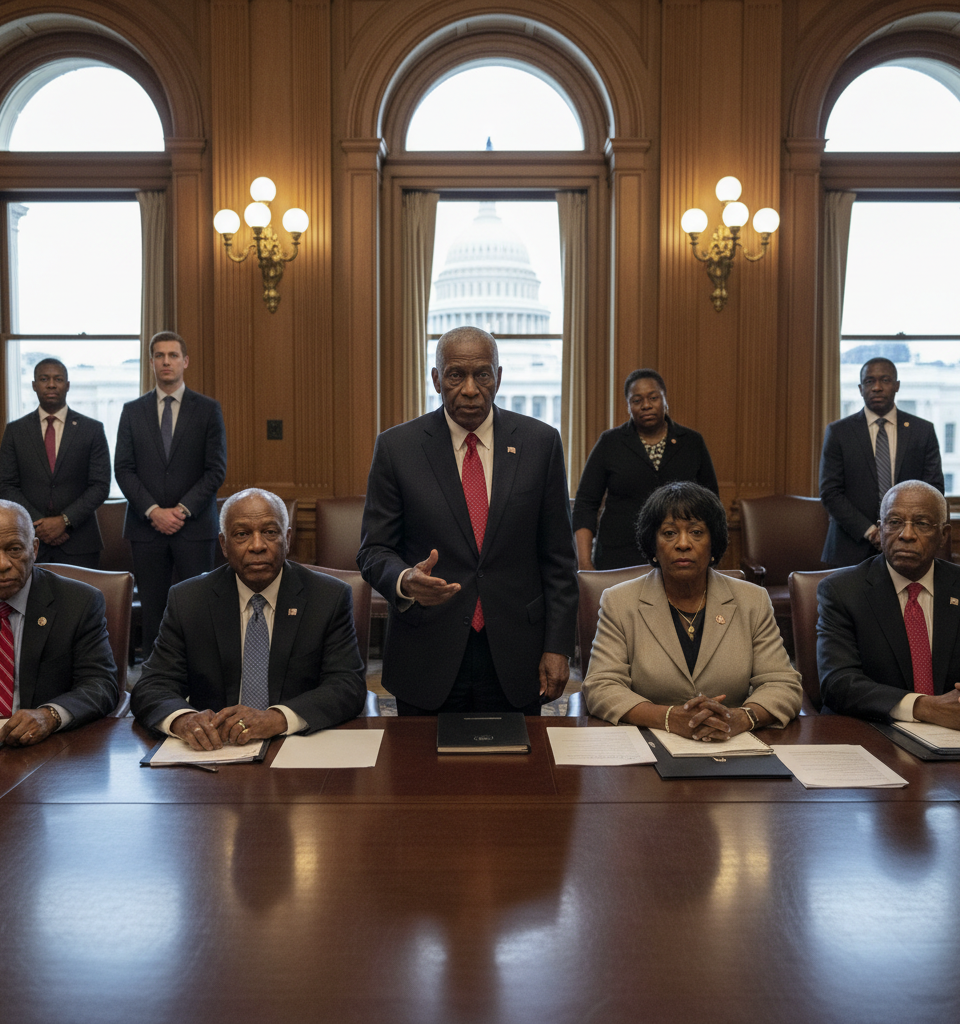
WASHINGTON D.C. – A notable contingent of long-serving Black Democrats in the U.S. Congress is bucking a broader trend of older lawmakers heading for the exits, steadfastly refusing to retire despite increasing pressure for a generational refresh within the party. This decision, unfolding in the current political landscape, underscores a deeper narrative about power, representation, and the strategic value of experience in Washington, D.C., particularly as the Democratic Party navigates a volatile electoral cycle.
Contextualizing the Generational Divide
The push for new faces in Congress has gained significant traction, fueled by perceived voter fatigue with entrenched politicians and a desire for more diverse perspectives. This sentiment has led to a noticeable uptick in retirements among older congressional members, particularly within the Democratic ranks. However, for many Black Democrats, their lengthy tenures are not merely a matter of personal preference but a testament to hard-won influence and a commitment to communities that often face disproportionate challenges. Their continued presence is viewed by many as crucial for advocating on issues ranging from civil rights to economic equality, areas where their experience offers invaluable insight and leverage.
The Strategic Value of Experience and Influence
Key figures such as Representatives James Clyburn (D-SC), Bennie Thompson (D-MS), and Maxine Waters (D-CA) epitomize this resistance. These members, with decades of service – Clyburn first elected in 1993, Thompson in 1993, and Waters in 1991 – hold significant committee positions and wield substantial sway in legislative processes. For instance, Clyburn, a former House Majority Whip, has been instrumental in shaping critical legislation and serves as a powerful voice for his constituents. Their institutional knowledge, established networks, and seniority allow them to chair influential committees, secure funding for their districts, and guide complex policy debates, advantages that newer members often lack.
Impact on Party Structure and Policy Agendas
The continued tenure of these senior Black Democrats has a multifaceted impact on the broader political landscape. Within the Democratic Party, it ensures a degree of stability and continuity in leadership, particularly in critical policy areas where their expertise is unmatched. However, it also creates a bottleneck for younger, ambitious lawmakers eager to ascend to leadership roles or committee chairmanships. On the policy front, their presence often translates into robust advocacy for social justice, voting rights, and economic development initiatives beneficial to minority communities, influencing budgetary allocations and legislative priorities across various sectors, from education to healthcare.
Expert Perspectives on Political Dynamics
Political analysts offer varying interpretations of this phenomenon. Dr. Eleanor Vance, a professor of political science at Georgetown University, notes, "While the desire for fresh perspectives is understandable, the institutional knowledge and legislative acumen of these veteran Black Democrats are invaluable. They possess unparalleled bargaining power and a deep understanding of the legislative machinery, honed over decades. Replacing that overnight is incredibly difficult and could diminish the party's overall effectiveness." Others argue that while experience is vital, a balance must be struck to allow for necessary rejuvenation and the incorporation of new ideas that reflect an evolving electorate. The average age of members of the 118th Congress is approximately 57.9 years for the House and 65.3 years for the Senate, highlighting the overall aging trend in Washington.
Future Implications and Succession Planning
The decision of these seasoned lawmakers to remain in office raises questions about future succession planning within the Democratic Party, particularly regarding leadership roles within the Congressional Black Caucus and key committees. While their continued service bolsters the party's immediate strength, it also defers the development of a new generation of leaders prepared to step into these influential positions. Upcoming electoral cycles will likely intensify debates around term limits or a greater emphasis on mentoring initiatives to ensure a seamless transition of power and expertise. The next few years will be crucial in observing how these dynamics play out, potentially shaping the future trajectory of the Democratic Party and its ability to connect with a diverse voter base.
The Financial Stakes of Congressional Influence
Beyond policy and representation, the congressional tenure of these veterans often translates into significant financial benefits for their districts. Their ability to secure earmarks, direct federal funding, and influence agency decisions can bring tangible economic advantages, including infrastructure projects, job creation initiatives, and federal program allocations. For instance, securing a multi-million-dollar federal grant for a distressed community can have a profound and lasting impact. This fiscal leverage provides a compelling argument for their continued service, particularly for constituents who directly benefit from these financial infusions into their local economies.