The reported disabling of user safety protocols by a major social media platform underscores a critical tension in the digital economy: the balance between user protection and engagement metrics. Businesses relying on algorithmic content delivery must weigh ethical responsibilities against commercial incentives, a dynamic that invariably draws regulatory scrutiny and shapes public trust in the global digital advertising and content distribution landscape.
Senators Demand Transparency
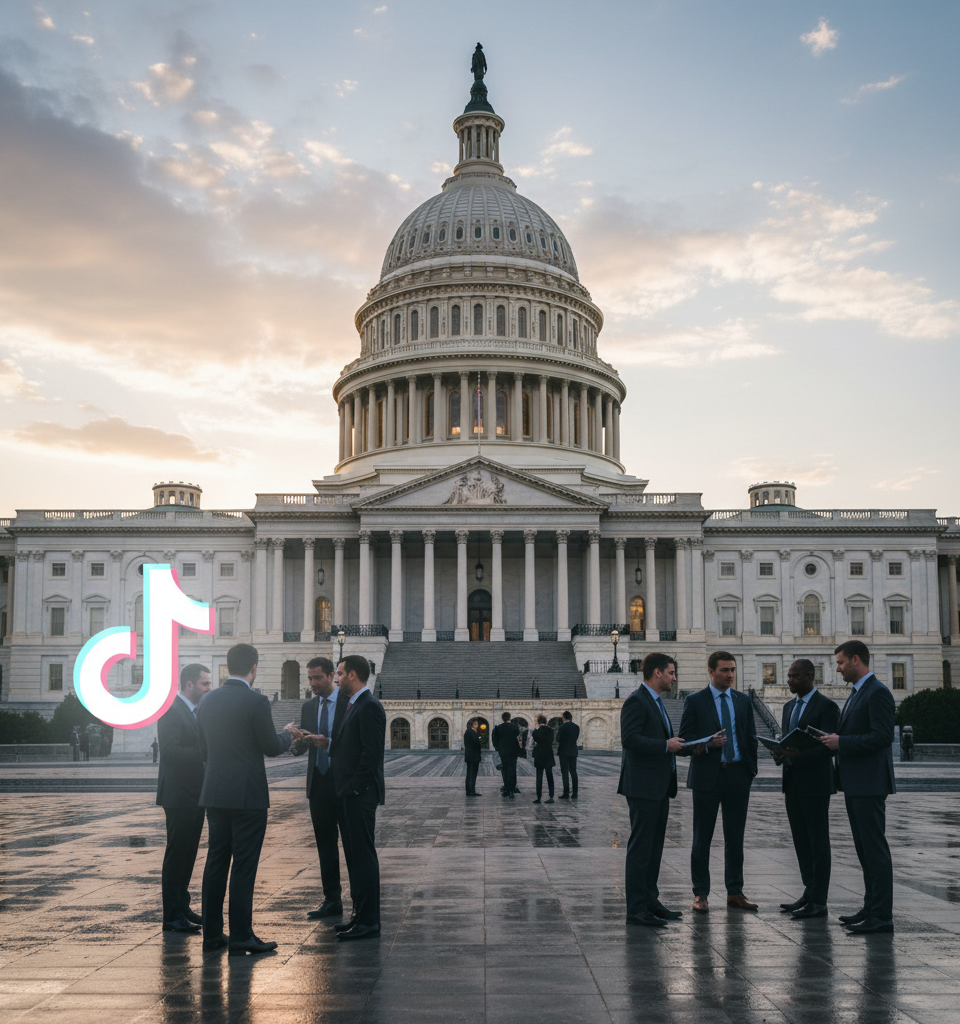
Washington D.C. – August 21, 2026 – A bipartisan group of U.S. Senators has initiated a forceful inquiry into TikTok, demanding comprehensive details regarding an alleged experiment in which the popular video-sharing platform reportedly deactivated a significant safeguard designed to shield users from a deluge of potentially harmful content. This action, reportedly undertaken to evaluate the feature's influence on user engagement metrics, has provoked immediate and serious concerns within congressional circles, highlighting ongoing scrutiny of social media companies' content moderation practices and their impact on user well-being.
Context of Content Moderation
This incident unfolds against a backdrop of increasing legislative and public pressure on social media giants to enhance user safety, particularly for younger audiences. Platforms like TikTok have faced intense scrutiny over their algorithms' potential to expose users to detrimental content, including misinformation, hate speech, and material promoting self-harm or eating disorders. Safeguards, such as those reportedly disabled, are critical components of a platform's commitment to responsible content curation and are often cited by companies as evidence of their efforts to create safer online environments. The alleged experiment calls into question the sincerity and consistency of these commitments when weighed against internal performance indicators.
The Alleged Experiment
The specifics of the alleged experiment remain a central point of the senatorial inquiry. While the exact duration and scope of the safeguard's disablement are not publicly detailed, the senators' urgent demand for information indicates the gravity of the potential implications. Disabling a crucial protection, even temporarily, to observe changes in engagement metrics suggests a willingness to prioritize data collection over established user safety protocols. This approach raises fundamental ethical questions about the responsibilities of platforms that host billions of users worldwide and whose algorithms profoundly influence daily information consumption and emotional well-being.
Industry and Market Implications
For the broader technology and social media industry, this development could have far-reaching consequences. Regulatory bodies globally are already grappling with how to impose effective oversight on algorithmic systems. An explicit instance of a major platform reportedly circumventing its own safety features to test engagement could galvanize calls for stricter regulations, mandated transparency in algorithmic design, and potentially even independent audits of content moderation systems. Investors in social media companies may also weigh the increased regulatory risk and potential for brand damage associated with such controversies, impacting market valuations and operational strategies.
Looming Regulatory Frameworks
This situation is likely to fuel ongoing legislative debates around digital safety and platform accountability. Lawmakers in various jurisdictions are exploring new frameworks, such as the Digital Services Act in the European Union and similar proposals in the United States, which aim to mandate greater transparency and impose significant penalties for non-compliance with safety standards. The alleged TikTok experiment serves as a vivid example of the challenges in enforcing these standards and underscores the need for robust mechanisms to ensure platforms are not only developing safeguards but also consistently upholding them. The outcome of the senators' inquiry could significantly influence the scope and urgency of these legislative efforts.
What's Next for TikTok
TikTok now faces intense pressure to respond comprehensively and transparently to the senators' demands. The company's ability to provide satisfactory answers regarding the rationale, execution, and oversight of the alleged experiment will be critical in managing this public and political fallout. Failure to do so could result in further congressional hearings, potential investigations by federal agencies, and a substantial blow to its reputation, particularly as it navigates a complex geopolitical landscape and continuous scrutiny over data privacy and national security concerns. The unfolding situation will be closely watched by regulators, users, and competitors alike, as it sets a precedent for how platforms are held accountable for their internal practices impacting user safety.