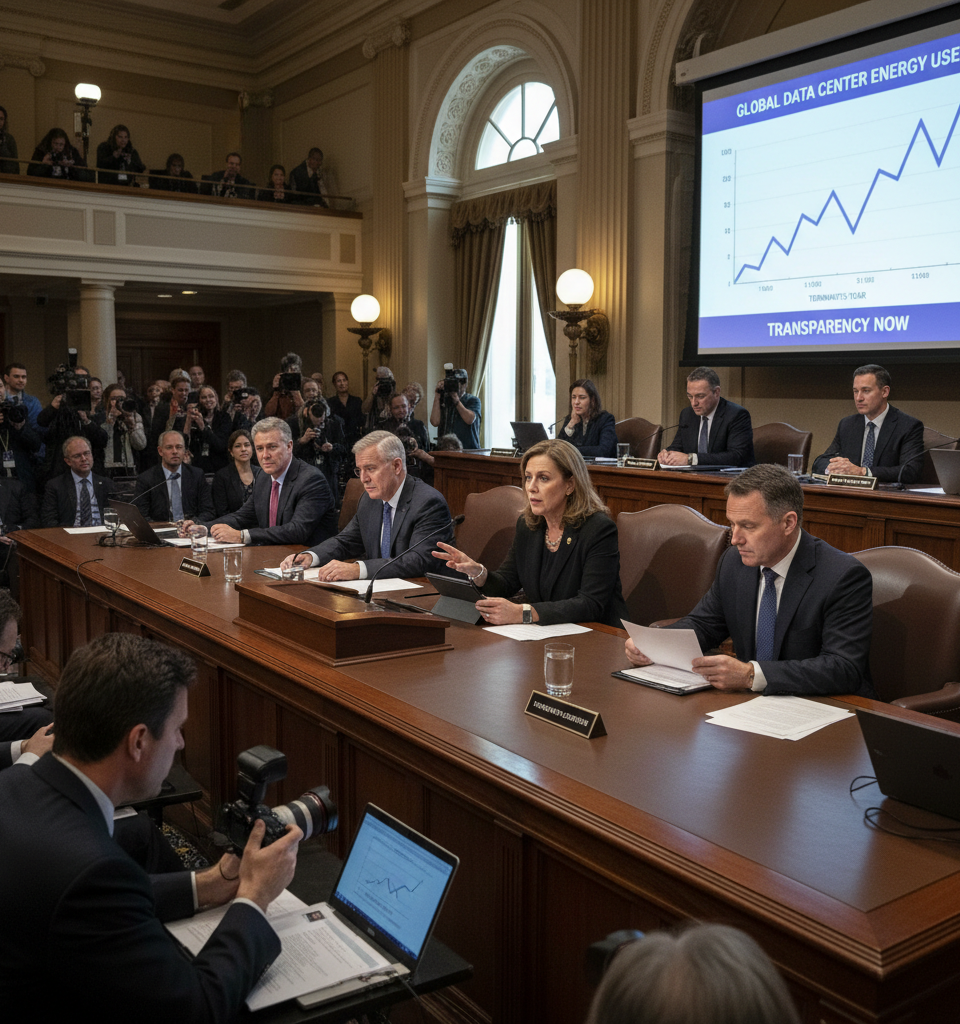
WASHINGTON D.C. – A bipartisan initiative led by Senators Josh Hawley (R-MO) and Elizabeth Warren (D-MA) is signaling a significant shift towards greater transparency in the energy consumption habits of the nation’s burgeoning data center industry. The two lawmakers have formally requested the Energy Information Administration (EIA) to broaden its data collection efforts, specifically targeting the detailed power usage of these critical digital infrastructure hubs and their cumulative impact on the U.S. power grid. This move highlights growing policy concerns over the sustainability and resource demands of an industry projected for exponential growth.
The Unseen Energy Footprint of the Digital Age
This legislative interest is not a nascent concern, but rather a culmination of escalating anxieties regarding the sheer scale of energy required to power the digital economy. Data centers, the physical backbone of the internet, cloud computing, and artificial intelligence, are notorious for their substantial and continuous power demands. Industry reports indicate that data centers currently account for approximately 1-1.5% of global electricity consumption, a figure expected to rise dramatically with the accelerating adoption of AI and other data-intensive technologies. Lawmakers are increasingly questioning whether current regulatory frameworks adequately capture and manage this burgeoning energy footprint, especially in an era of heightened grid instability and renewable energy transitions.
Specific Demands and Expected Revelations
The senatorial request to the EIA is comprehensive, seeking granular data that goes beyond aggregate figures. Hawley and Warren are pressing for details on individual facility power draw, peak load contributions, and regional consumption patterns. The aim is to paint a clearer picture of how data centers contribute to overall electricity demand, particularly during periods of high stress on the grid. "Understanding the true energy demands of data centers is critical for national energy planning and grid stability," Senator Hawley stated in a press release. Senator Warren added, "We cannot effectively manage our energy future without full transparency from these major industrial consumers." The EIA, the statistical agency of the U.S. Department of Energy, is uniquely positioned to gather and analyze this type of information, leveraging its authority to survey energy producers and consumers nationwide.
Industry Resonance and Potential Disruptions
The data center industry, a cornerstone of the modern economy, is poised to feel the ripple effects of this increased scrutiny. While major players like Amazon Web Services, Microsoft Azure, and Google Cloud have made public commitments to renewable energy and sustainable practices, the detailed data sought by the senators could expose variances in actual energy efficiency and grid reliance. Regulatory bodies, utilities, and even investors could use this newfound transparency to pressure operators towards more sustainable, efficient, and grid-friendly practices. New construction, site selection, and even pricing models within the colocation and hyperscale markets could be influenced by a clearer understanding of power availability and cost.
Expert Insights into Grid Implications
Energy analysts and grid experts have long cautioned about the escalating demands placed by computing infrastructure. "Data centers operate 24/7, creating a baseload demand that differs significantly from intermittent industrial users," commented Dr. Eleanor Vance, an energy economist at the National Grid Institute. "When you combine this with the enormous cooling requirements, especially for AI workloads, you have a potent force impacting grid stability and expansion plans. This data will be instrumental in forecasting future energy needs and identifying potential bottlenecks or overloads in regional grids." Others point out that accurate data is also crucial for validating the effectiveness of energy efficiency measures and renewable energy procurement by the industry.
The Road Ahead: Regulation and Innovation
Should the EIA successfully implement this expanded data collection, the implications could be far-reaching. It could serve as a precursor to new federal or state-level regulations concerning data center siting, energy efficiency standards, or even incentives for integrating battery storage and demand response capabilities. Utilities, armed with more precise demand forecasts, can better plan infrastructure upgrades and generation capacity. For the data center industry, the challenge will be to adapt to newfound transparency, potentially accelerating innovation in power management, waste heat utilization, and direct renewable energy sourcing. The next few years will likely see a vigorous debate between industry stakeholders, policymakers, and environmental groups as the true energy cost of our digital world comes into sharper focus.