For our Southern California luxury real estate audience, these developments underscore the perpetual pressure on property owners to manage tax burdens, an issue particularly acute in high-value markets like Malibu and Bel Air. While geographically distant, the outcomes of these ballot measures could inform future fiscal policy debates, demonstrating legislative avenues to address homeowner affordability that might eventually echo in our own communities. Understanding these trends is crucial for high-net-worth individuals and investors considering how state-level tax reforms could influence property valuation and ownership costs.
States Poised for Significant Tax Decisions
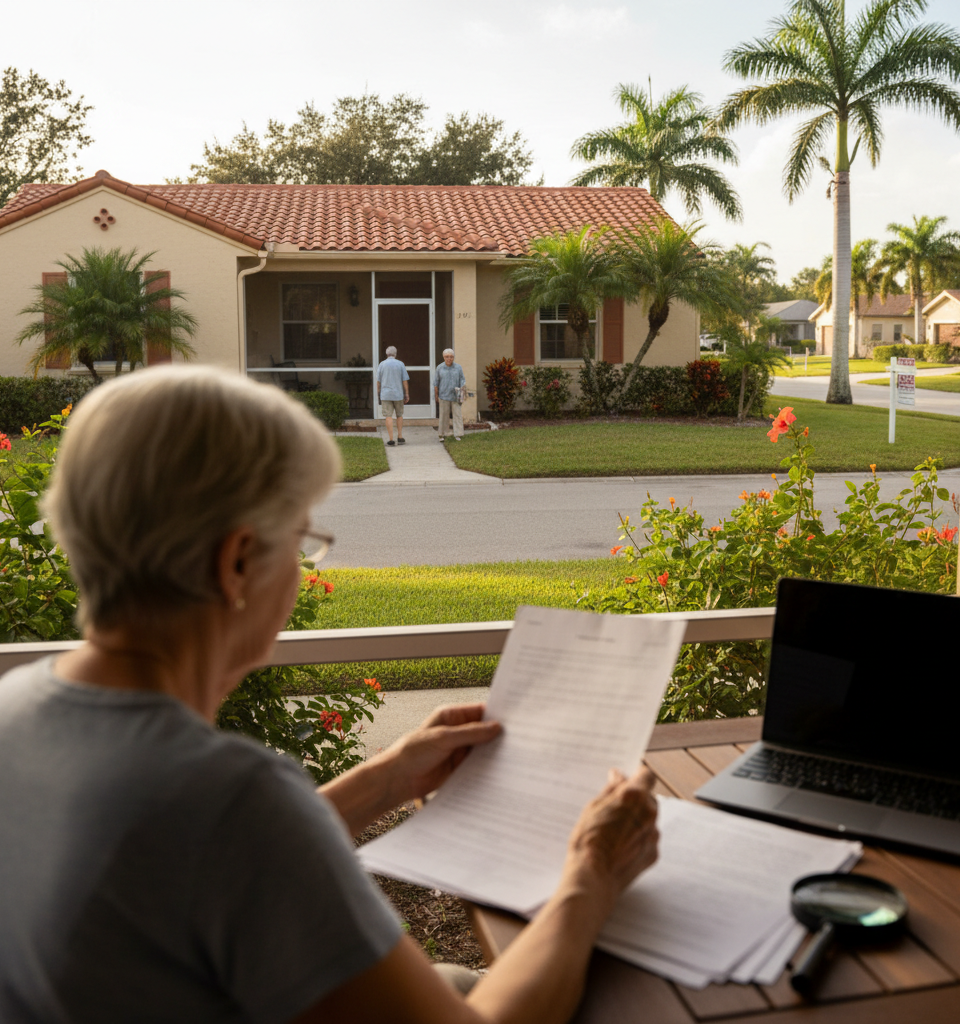
This November, voters across Louisiana, Oklahoma, and Florida are preparing to cast ballots on proposed property tax changes that hold considerable implications, particularly for senior homeowners. These initiatives are not merely incremental adjustments but could fundamentally alter the local tax structures within these states. The proposals are largely framed as measures to alleviate the financial strain on older residents, a demographic increasingly susceptible to the pressures of rising property valuations and subsequent tax hikes.
The Context of Rising Property Values and Senior Vulnerability
The push for these property tax reforms comes amidst a national trend of escalating property values, which, while beneficial for equity, often translate into higher annual tax bills. Senior homeowners, who may live on fixed incomes, frequently find themselves in a precarious position, struggling to afford the taxes on homes they have owned for decades. The ballot initiatives in these three states represent a direct response to this challenge, aiming to provide a safety net for a vulnerable segment of the population. They reflect a broader political and social recognition of the need to protect long-term residents from being taxed out of their homes.
Key Details of Proposed Changes
While specific details will vary by state, the overarching goal of these ballot measures is to introduce mechanisms that could reduce property tax liabilities for senior citizens. These mechanisms might include enhanced homestead exemptions, assessment caps for elderly residents, or other forms of targeted tax breaks. In Louisiana, for instance, voters will weigh in on potential amendments that could expand the scope or eligibility for existing property tax relief programs.
Oklahoma's ballot will likely feature proposals aimed at capping the taxable value increases for seniors' primary residences. Florida, which already has various homestead exemptions, might see initiatives to further fortify or extend these protections, making it more feasible for seniors to remain in their homes despite appreciating market values. The intent behind these measures is to provide predictable and sustainable tax environments for older residents.
Potential Reshaping of Local Tax Landscapes
The passage of these ballot initiatives could lead to a significant reshaping of the local tax landscapes in Louisiana, Oklahoma, and Florida. While offering relief to seniors, such changes invariably redistribute the tax burden, potentially impacting other property owners or necessitating adjustments in local government budgets. Local municipalities rely heavily on property taxes to fund essential services such as schools, infrastructure, and public safety. Any substantial reduction in the tax base from senior exemptions would require careful financial planning by local authorities, possibly through cuts to services or shifts in tax obligations to other property categories or demographics. This delicate balance between taxpayer relief and municipal funding is a critical aspect of the upcoming debates.
Industry and Market Impact Considerations
The real estate industry and broader property markets in these states will be closely monitoring the outcomes. For seniors, a successful vote could mean enhanced financial stability and greater certainty in their housing costs, potentially encouraging them to remain in their homes longer rather than selling due to tax pressures. This could subtly affect housing inventory dynamics. For younger homeowners or commercial property owners, the indirect impact of a shifted tax burden could become a factor in their cost of ownership. Developers and investors will also be observing how these changes might influence future growth and investment strategies, particularly in markets with significant senior populations. The initiatives could make these states more attractive to retirees, potentially stimulating certain segments of the housing market.
Looking Ahead: Voter Decisions and Long-Term Effects
As November approaches, the campaigns for and against these property tax changes are expected to intensify. Proponents will emphasize the fairness and necessity of protecting seniors, while opponents may highlight potential revenue shortfalls for local governments and the equity implications for other taxpayers. The decisions made by voters in Louisiana, Oklahoma, and Florida will not only determine the immediate financial future for thousands of senior homeowners but could also establish precedents for how states address property tax challenges in an era of continuous market fluctuation. The long-term effects on municipal finances, housing affordability, and demographic migration patterns will unfold in the years following these crucial ballot box decisions.