Global luxury retailers and e-commerce platforms must closely watch Sephora’s TikTok Shop strategy; its success could redefine immediate sales channels for Gen Z and beyond, forcing widespread market adaptation.
Sephora, the prominent beauty retail chain owned by luxury conglomerate LVMH, has made a notable entry into the direct-to-consumer social commerce space with the exclusive release of a new beauty set on TikTok Shop. This move underscores a significant shift in how established beauty giants are approaching sales and customer engagement, acknowledging the platform's rapidly ascending influence in the retail landscape.
The Strategic Rationale Behind the TikTok Shop Exclusive
The decision by Sephora to debut a product exclusively on TikTok Shop is a direct response to the platform's compelling blend of immersive entertainment and streamlined shopping functionalities. TikTok Shop has rapidly evolved from a social media application into a formidable e-commerce competitor, challenging traditional online retailers and even established beauty powerhouses. Its algorithm-driven content delivery creates what some industry analysts describe as an "eyeball-sucking entertainment" environment, which seamlessly integrates product discovery with instant purchasing opportunities.
This frictionless shopping experience is a key differentiator. Unlike traditional e-commerce sites where users navigate specific product categories, TikTok Shop leverages short-form video content and live streams to present products directly to consumers as they scroll through their feeds. This inherent virality and direct engagement reduce the steps between product awareness and purchase, often leading to impulse buys and rapid sales conversions.
TikTok Shop as a Disruptor in Beauty Retail
For a retailer of Sephora’s stature, an exclusive launch on TikTok Shop signifies an official acknowledgment of the platform's power to drive sales and capture market share. LVMH's beauty division, which includes Sephora, typically relies on its extensive physical retail footprint and well-established online presence. However, TikTok Shop offers unparalleled access to a highly engaged, often younger demographic that spends significant time on the platform.
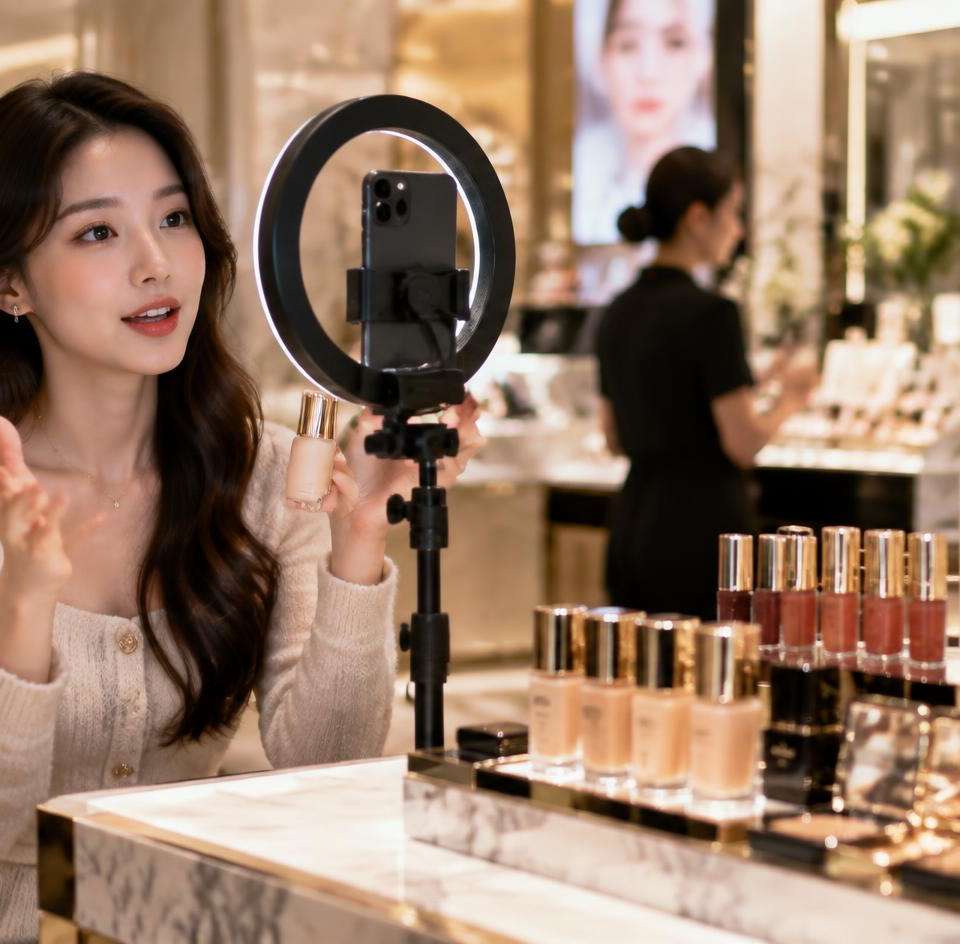
Experts suggest that the platform's ability to combine social influence with transactional capabilities presents a unique advantage. Influencers and creators can demonstrate products in real-time, share user-generated content, and answer questions live, building trust and driving immediate purchasing decisions directly within the app. This social proof and interactive selling environment are proving highly effective, particularly within the beauty sector where product demonstrations and visual appeal are paramount.
Implications for the Broader E-commerce Landscape
Sephora's exclusive partnership with TikTok Shop could serve as a bellwether for other major retailers. It validates the platform's potential to not just augment existing sales channels but to become a primary launchpad for new products. This move signals a potential acceleration of social commerce adoption across various industries, pushing brands to rethink their digital strategies and allocate marketing and sales resources differently.
The competitive landscape for beauty retailers is intensifying. As TikTok Shop continues to refine its logistics, payment systems, and seller support, it positions itself as a direct threat to platforms like Amazon, brick-and-mortar stores, and even the direct e-commerce sites of individual brands. The ability to control the entire consumer journey, from discovery to purchase, within a single app environment, offers a powerful value proposition.
What This Means for Future Retail Strategies
Looking ahead, Sephora's strategy could pave the way for more exclusive releases and deeper integrations between major brands and social commerce platforms. Retailers may increasingly prioritize platforms that offer both reach and transactional efficiency. This trend could lead to a re-evaluation of marketing budgets, with greater emphasis placed on influencer partnerships and native advertising within social selling ecosystems.
The success or challenges encountered by Sephora with this exclusive beauty set will likely inform future decisions for LVMH and other global beauty conglomerates. It marks a critical juncture in the evolution of retail, where the line between entertainment and commerce continues to blur, and platforms capable of seamlessly merging the two are poised to capture significant market advantage.