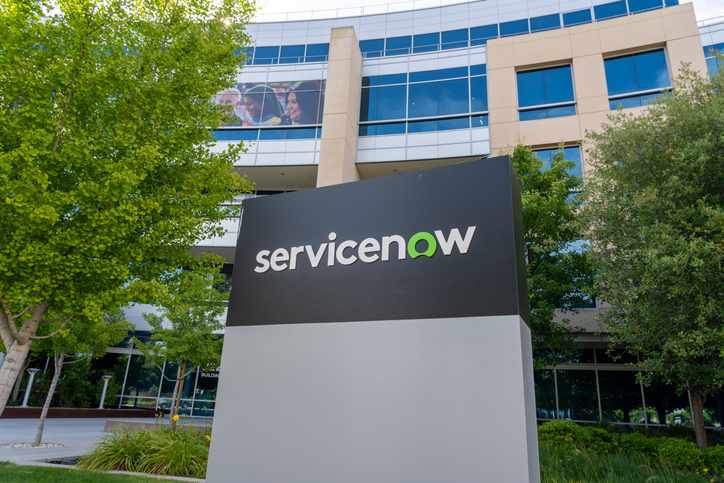
ServiceNow's stock is navigating its most significant downturn to date this quarter, prompting close scrutiny from market observers. The unprecedented performance has raised concerns among investors regarding the company's near-term trajectory. Analysts, however, are beginning to articulate a more optimistic outlook for the latter half of 2026, anticipating a recovery fueled by key market dynamics.
Unpacking the Current Performance Slump
The current quarter marks a critical period for ServiceNow, with its stock performance registering as the weakest on record. This downturn has initiated discussions across financial circles about the factors contributing to the decline and the overarching health of the enterprise software giant. While specific financial figures for the current quarter are not yet detailed, the general sentiment indicates a substantial dip compared to previous periods, creating a challenging environment for stakeholders. The enterprise software sector, while generally robust, is not immune to market fluctuations, and ServiceNow’s current situation highlights the intricate pressures facing even established players.
Projected Rebound: AI Adoption and Contract Renewals
Looking ahead, market analysts are pointing towards two primary catalysts that could underpin a significant turnaround for ServiceNow in the coming months. The first is the anticipated uptick in spending from early AI adopters. These companies, having already integrated initial artificial intelligence solutions, are expected to increase their consumption of credits, indicating deeper commitment and expanded utilization of AI technologies. This trend suggests a maturation of AI implementation within the enterprise, moving beyond experimental phases to more integrated, operational deployments. ServiceNow, with its platform capabilities often leveraged alongside AI deployments, stands to benefit from this expansion as organizations scale their AI initiatives.
The Impact of Pandemic-Era Contract Cycles
The second critical factor analysts are highlighting involves the renewal cycle of pandemic-era contracts. Many long-term agreements forged during the rapid digitization push of the early 2020s are now reportedly nearing their expiration dates. This presents a dual opportunity for ServiceNow: not only to retain existing clients but also to potentially upsell or expand services as businesses reassess their technological needs in a post-pandemic landscape. The expectation is that a significant portion of these contracts will be renewed, with some potentially including expanded scopes or upgraded service tiers. This phased renewal process could provide a stable, recurring revenue stream and contribute positively to financial performance in the latter part of the year.
Broader Market Implications for Enterprise Software
ServiceNow's current predicament and projected recovery offer a micro-example of broader trends within the enterprise software market. The reliance on AI adoption as a growth driver underscores the industry's pervasive shift towards intelligent automation and data-driven insights. Companies across various sectors are increasingly recognizing the imperative to leverage AI for efficiency gains, cost reductions, and innovation. Furthermore, the significance of contract renewals reflects the ongoing importance of customer retention and expansion in a competitive software as a service (SaaS) environment. The ability to successfully navigate renewal cycles is crucial for sustained growth and profitability for any major software provider.
Analyst Sentiment and Forward-Looking Statements
While specific analyst firms or individuals are not named, the collective sentiment among market commentators suggests a cautious optimism. The current quarter is acknowledged as a period of significant headwinds, yet the underlying fundamentals of ServiceNow's business model and its strategic positioning within critical enterprise IT workflows remain strong. The expectation is that the early AI adopters' increased credit consumption will directly translate into higher revenue streams for companies like ServiceNow that provide the foundational platforms and tools for such deployments. The focus on pandemic-era contract renewals also speaks to the long-term relationships ServiceNow has cultivated, which are expected to bear fruit as these agreements come up for reassessment.
What Comes Next for ServiceNow Investors
Investors are likely to monitor the company's performance closely over the next financial reporting periods for tangible signs of this anticipated recovery. Key indicators will include new booking rates, renewal rates, and the growth in AI-related service consumption. The expectation of a turnaround later in the year, as articulated by analysts, suggests that the market views the current downturn as potentially temporary rather than indicative of a fundamental shift in the company's competitive standing or long-term prospects. The strategic importance of AI and robust platform services continues to position ServiceNow as a key player in the evolving digital enterprise landscape, even amidst short-term market volatility.