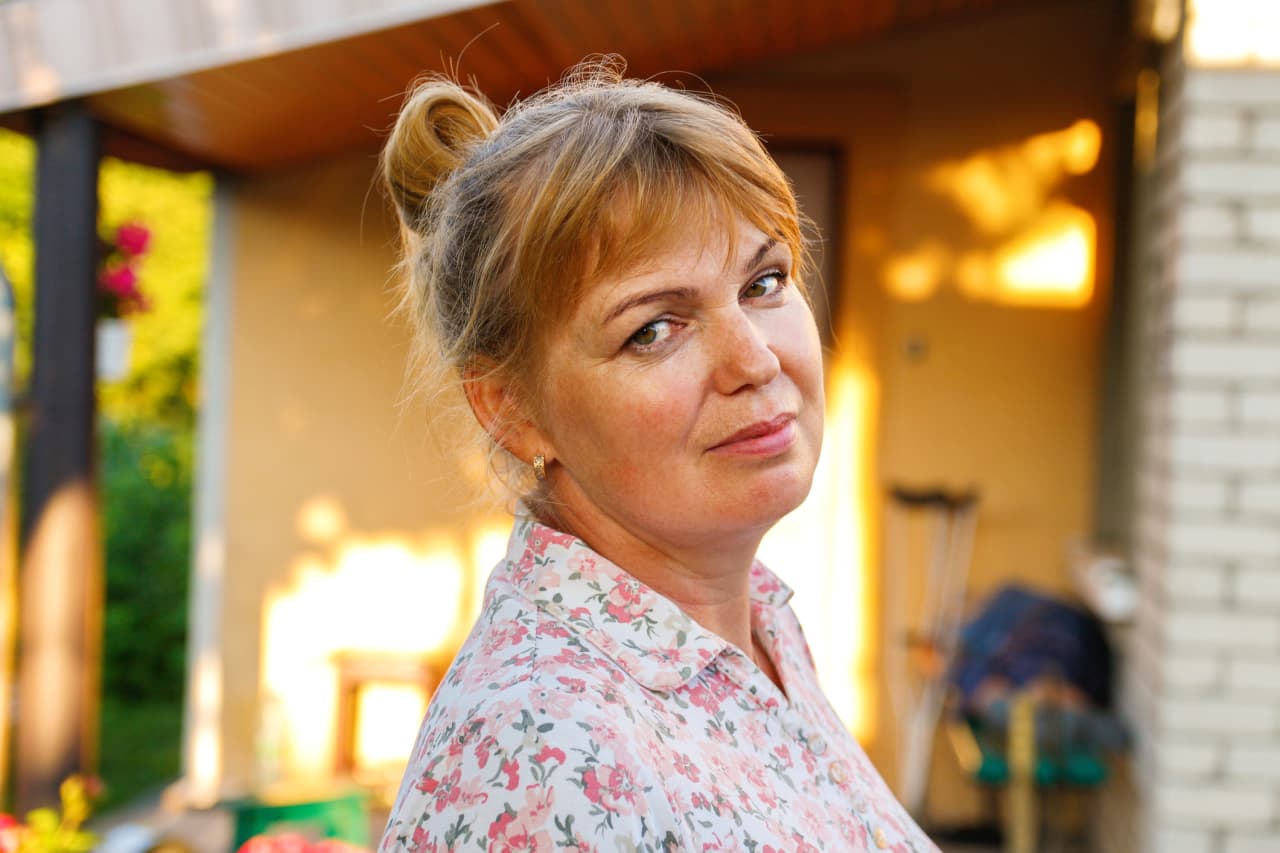
A 73-year-old Florida homeowner is confronting a difficult financial calculus concerning her home insurance amidst the state's persistent hurricane threats. The resident, whose primary asset is a 2016 double-wide mobile home completely free of mortgage obligations, is questioning the necessity and affordability of her $2,400 annual insurance premium, particularly given the historical trajectory of severe weather events in the region.
This predicament underscores a growing crisis in Florida's insurance market, where escalating premiums and diminishing coverage options are becoming the norm. The state, highly susceptible to tropical storms and hurricanes, has seen insurers either withdrawing from the market or drastically increasing rates to offset substantial losses from recent catastrophic weather events. For many, particularly those on fixed incomes, the cost of adequate property protection has become a significant burden, prompting difficult choices between financial solvency and comprehensive risk mitigation.
The Mobile Home Vulnerability
The homeowner's situation is particularly acute due to the nature of her dwelling. Mobile homes, while often a more affordable housing option, are generally considered more vulnerable to high winds and storm surges compared to traditional stick-built houses. This inherent risk factor translates directly into higher insurance premiums and more stringent underwriting criteria. Her 2016 double-wide, though relatively modern compared to older mobile home stock, still falls into a category that insurers deem high-risk, especially in hurricane-prone zones. The individual's age and her status as a sole homeowner further amplify the personal stakes involved in this financial decision.
Florida's Challenging Insurance Landscape
The broader context for this homeowner's dilemma is Florida's increasingly volatile insurance market. The state has been grappling with a cycle of powerful hurricanes—including Irma, Michael, Ian, and Idalia in recent years—that have led to billions of dollars in insured losses. This has caused a significant exodus of private insurers and driven up rates for those who remain. State-backed Citizens Property Insurance Corporation, often the insurer of last resort, has seen its policy count surge, indicating a broader market failure and lack of affordable private options. For many Floridians, securing comprehensive coverage at a reasonable price has become an exercise in frustration, with some facing non-renewal notices or premium hikes far exceeding inflation.
Weighing Risk and Cost
The decision whether to 'ditch' her home insurance is not taken lightly by the 73-year-old. On one hand, foregoing insurance would eliminate the substantial $2,400 annual cost, providing immediate financial relief. This could be particularly appealing for a retiree managing a fixed income. On the other hand, the absence of insurance would leave her entirely exposed to the financial devastation of a hurricane. With "several hurricanes" having come close to her location, the possibility of a direct hit remains a constant, looming threat. The cost of repairing or replacing a mobile home after significant damage, without insurance, could be financially ruinous, especially since she has no mortgage company to mandate coverage.
Future Implications and Policy Debates
This individual case highlights a larger societal challenge in Florida regarding affordable housing and disaster preparedness. Policy discussions frequently revolve around state intervention to stabilize the insurance market, mitigation efforts to enhance property resilience, and assistance programs for vulnerable populations. The state continues to explore mechanisms to attract more private insurers, curb fraudulent claims, and promote stronger building codes. However, immediate relief for homeowners like this 73-year-old remains elusive, forcing them to navigate a complex and often unforgiving financial landscape independently. The outcome of her decision could have profound implications for her financial security and serve as a stark reminder of the broader vulnerabilities faced by many residents in hurricane-affected regions of Florida.