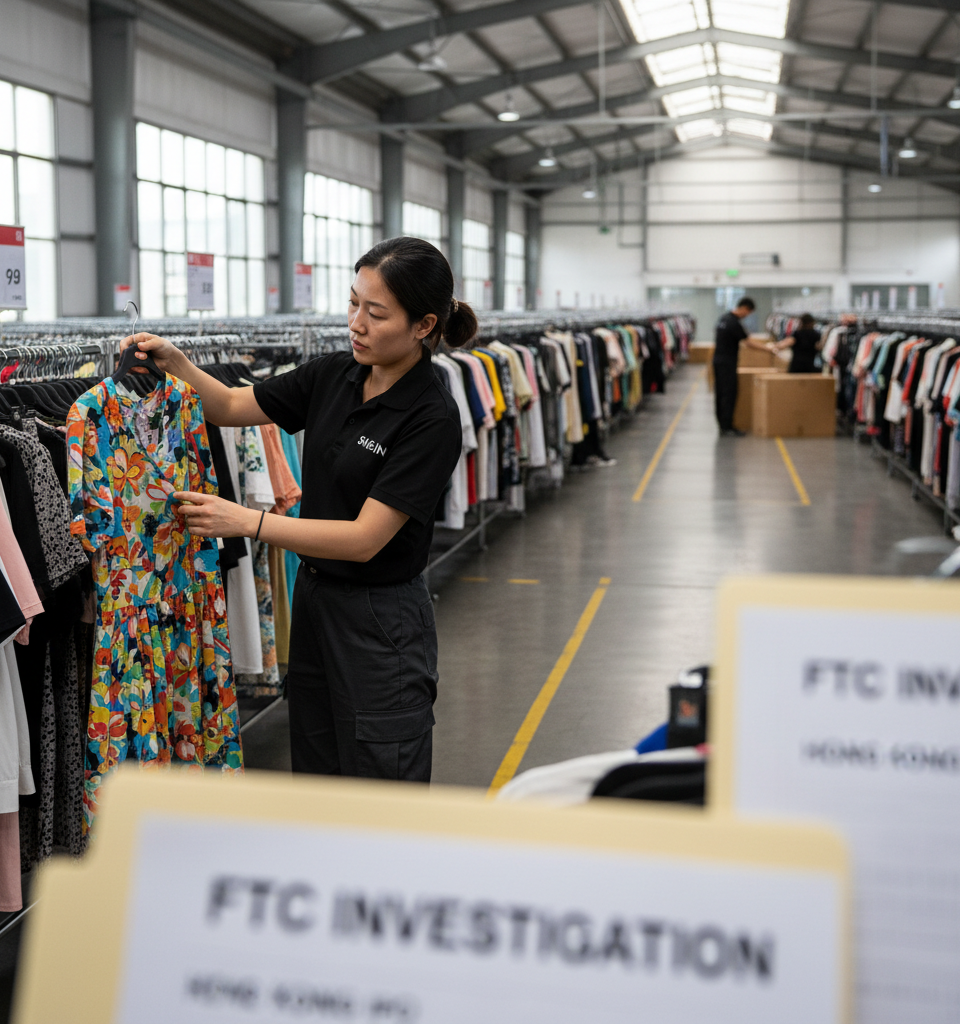
Shein, the rapidly growing online fashion retailer, is reportedly facing an investigation by the Federal Trade Commission concerning its U.S. business, a disclosure surfacing as the company gears up for a highly anticipated initial public offering (IPO) in Hong Kong. This development introduces a layer of scrutiny for the e-commerce giant, whose global expansion has been characterized by both remarkable growth and ongoing controversy.
Context of Scrutiny
The revelation of the FTC probe adds to a complex regulatory landscape that Shein has navigated in recent years. While the company has not publicly detailed the specific aspects of its U.S. operations being scrutinized, any significant regulatory action from a body like the FTC could potentially impact its business trajectory and investor confidence. The timing is particularly sensitive, given the advanced stages of its IPO preparations, which are expected to unlock substantial capital for the firm.
Shein's business model, heavily reliant on a vast network of suppliers and rapid production cycles, has often been at the center of discussions regarding labor practices, environmental impact, and data security. Regulators globally have increasingly turned their attention to companies operating in the fast-fashion sector, examining everything from supply chain transparency to consumer data handling. The U.S. market represents a crucial segment of Shein's global revenue and user base, making any FTC involvement particularly noteworthy.
IPO Ambitions and Regulatory Hurdles
The decision to pursue an IPO in Hong Kong comes amid a period of heightened geopolitical and economic uncertainty. Shein's choice of listing venue follows various reports and market rumors about potential listings in other global financial hubs. A successful public offering would undoubtedly cement Shein's position as a dominant force in the global e-commerce and retail sectors, providing the capital necessary for further expansion, technological investment, and market consolidation. However, the shadow of a regulatory investigation could complicate these plans, potentially influencing valuations or delaying the listing process.
The company has consistently emphasized its commitment to compliance with local and international regulations across all its operating markets. Its public statements have often highlighted efforts to improve supply chain oversight, enhance responsible sourcing, and ensure ethical manufacturing processes. These commitments become even more critical as it seeks to gain the trust of institutional investors and public shareholders through an IPO.
Broader Industry Implications
This investigation against Shein is indicative of a broader trend where regulatory bodies are intensifying their examination of large e-commerce platforms and fast-fashion retailers. Industry observers note that the rapid expansion of these companies has outpaced regulatory frameworks in many regions, leading to a period of catch-up by governmental agencies. Other players in the online retail space are likely monitoring the situation closely, as the outcomes of such probes could set precedents for compliance standards across the sector.
The fast-fashion industry, in particular, faces increasing pressure from consumer advocacy groups and environmental organizations regarding its sustainability practices. An FTC investigation, depending on its focus, could potentially delve into claims related to product origins, marketing practices, or competitive behaviors, which are common areas of concern for the agency. Such an inquiry could prompt a more rigorous review of operational disclosures for all companies within the sector.
What Lies Ahead
As Shein progresses with its Hong Kong IPO plans, the company will likely need to provide further clarity regarding the nature of the FTC investigation and its potential implications. The duration and scope of FTC probes can vary significantly, ranging from preliminary inquiries to extensive formal investigations that may lead to enforcement actions or settlements. For Shein, managing this regulatory challenge effectively will be paramount to maintaining investor confidence and ensuring a smooth path to profitability and market leadership in the years to come.