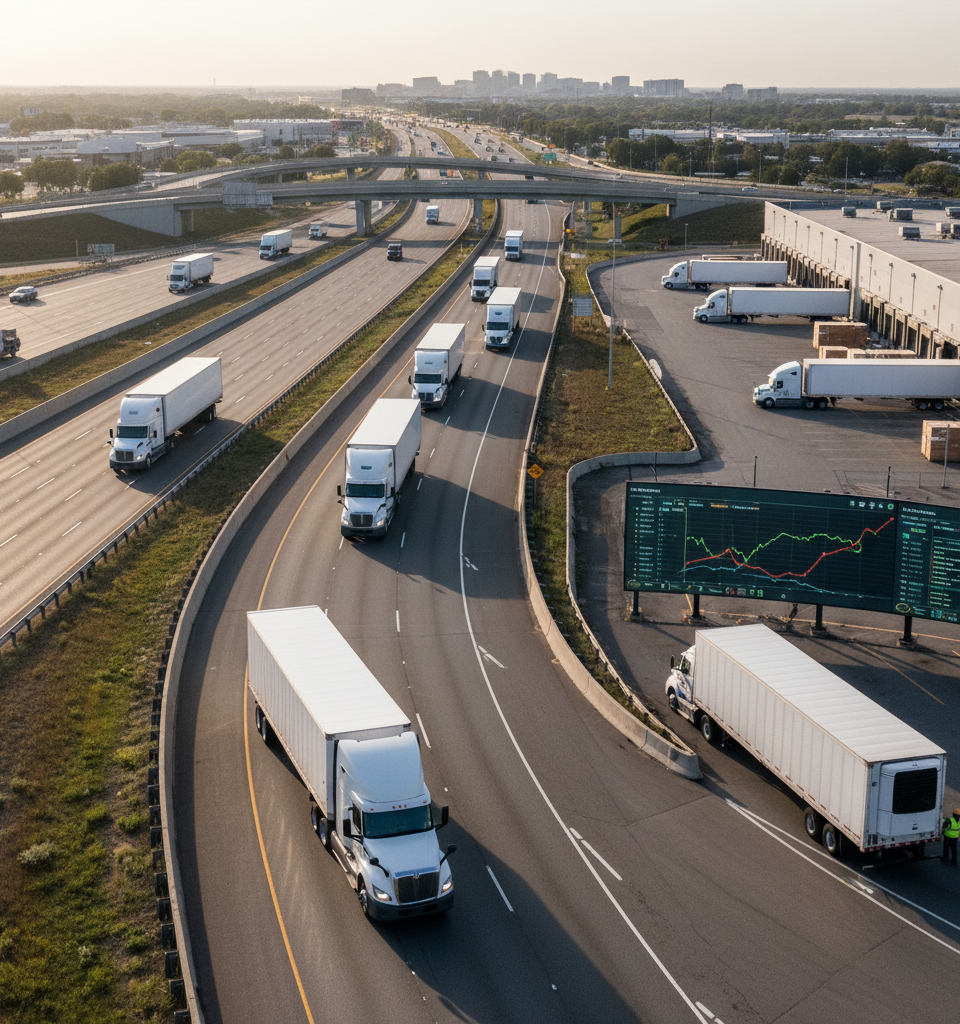
The supply chain sector is currently experiencing a notable shift: a reduction in the average length of haul for truckload shipments. This adaptation, which sees goods traveling shorter distances via truck, is proving to be a key factor in alleviating some of the persistent capacity shortages that have challenged the market recently.
Context of Shifting Logistics
For an extended period, the transportation industry has grappled with various forms of capacity constraints, ranging from driver shortages to equipment availability and fluctuating demand. These challenges have often led to increased lead times, higher shipping costs, and operational inefficiencies across numerous industries reliant on robust supply chains. The current phenomenon of shrinking miles represents a bottom-up adjustment within the logistics framework, as companies reconfigure their distribution networks and inventory strategies.
Impact on Capacity and Efficiency
The most immediate and significant impact of shorter truckload hauls is observed in the enhancement of market capacity. By reducing the distance each truck must travel for a single shipment, carriers can complete more trips within the same timeframe or with the same fleet size. This operational change effectively increases the utilization rate of existing assets—trucks and drivers—without necessarily adding new ones. Essentially, a greater volume of goods can be moved using the same resources, providing a buffer against the capacity deficits that have characterized the post-pandemic economic landscape.
This trend suggests a maturing adaptation within supply chain management, moving away from long-haul, centralized distribution models towards more regionalized or localized strategies. Companies are increasingly prioritizing flexibility and responsiveness, which often translates into stocking goods closer to their end markets. Such a pivot not only shortens transit times but also theoretically reduces fuel consumption per delivery unit, contributing to potential cost savings and environmental benefits, although these are secondary to the primary impact on capacity.
Driving Forces Behind the Shift
Several factors are contributing to this reduction in length of haul. The growth of e-commerce has spurred the need for faster, more localized delivery options, pressuring businesses to establish fulfillment centers closer to urban and suburban populations. Additionally, the disruptions experienced during the initial phases of global supply chain instability encouraged many companies to “reshore” or “nearshore” production and distribution, thereby reducing the need for extensive cross-country or international trucking. The consistent pressure from fuel price volatility also makes shorter hauls more attractive, as they inherently carry lower fuel costs per trip.
Broader Market Implications
For the broader freight market, the shrinking length of haul signifies a potential rebalancing. While overall freight demand remains strong, the way that demand is being met appears to be evolving. This could lead to a less volatile rate environment for carriers, as the increased efficiency offsets some of the upward pressure on prices seen during periods of severe capacity crunch. Shippers, in turn, may benefit from more predictable service levels and potentially reduced transportation costs on a per-mile basis, even if the total cost of a more distributed network introduces other considerations.
This transformation also has implications for equipment manufacturers and technology providers within the logistics sector. There might be an increased demand for different types of trucks optimized for shorter, more frequent routes rather than solely for long-distance endurance. Furthermore, advancements in route optimization software and warehouse management systems become even more critical in orchestrating these complex, localized distribution networks.
Looking Ahead
As of 2026-06-07, the trend of diminishing truckload miles appears to be a sustained response to ongoing supply chain pressures and evolving consumer expectations. It illustrates the dynamic adaptability of the logistics industry in face of formidable challenges. Future developments will likely focus on further optimization of these localized networks, potentially involving greater integration of different transportation modes for first and last-mile delivery, and continued investment in infrastructure that supports efficient regional distribution.
This strategic adjustment in trucking operations is not merely a transient fix but rather an indicator of a fundamental re-engineering of how goods move from origin to consumption, with significant long-term implications for efficiency, cost, and capacity within the global supply chain. The industry will continue to monitor whether this trend can fully stabilize the capacity landscape amidst consistently high demand.