Global supply chain resilience for critical components like memory chips hinges on diversifying manufacturing locations. A major shift towards domestic production could redefine sourcing strategies and operational costs for businesses worldwide.
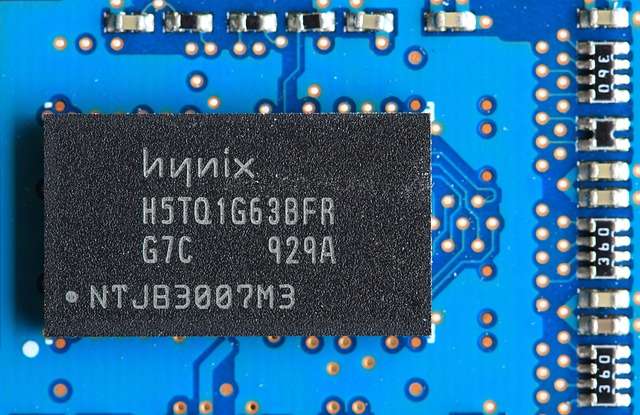
SK Hynix, a leading South Korean memory chip producer, is reportedly engaged in discussions with Intel to establish a memory chip manufacturing operation within the United States. This potential collaboration, if realized, would mark a significant milestone as it would be the first instance of SK Hynix producing memory chips on U.S. soil. The information stems from an exclusive Reuters report, citing three individuals with knowledge of the ongoing negotiations.
Potential Collaboration and Location
One key aspect of the reported talks involves SK Hynix potentially leasing a portion of Intel's large chip-making site located in Ohio. While specific details of the lease agreement or the exact nature of the manufacturing operations are not yet public, such a move would align with a broader trend among semiconductor companies to expand production capabilities outside of traditional Asian manufacturing hubs.
Context of U.S. Chip Manufacturing Push
These discussions unfold against a backdrop of increasing U.S. government incentives aimed at boosting domestic semiconductor manufacturing. The CHIPS and Science Act, passed in 2022, allocates significant funding and tax credits to encourage chipmakers to build or expand facilities in the United States. The goal is to enhance national security, reduce reliance on foreign supply chains, and create high-tech jobs. For companies like SK Hynix, establishing a U.S. presence could unlock access to these substantial government subsidies, making domestic production more economically viable.
Industry Implications
The potential entry of SK Hynix into U.S. manufacturing would have notable implications for the global semiconductor industry. It could intensify competition within the U.S. market for memory chips, potentially influencing pricing and technological advancements. Moreover, it would further solidify the U.S. as a critical hub for chip production, diversifying the global supply chain away from its current concentration in Asia. This move would also signal a strategic shift for SK Hynix, emphasizing global diversification in its operational footprint.
Strategic Rationale for SK Hynix and Intel
For SK Hynix, a U.S. manufacturing base could provide several strategic advantages. Beyond potential government incentives, it would shorten supply lines to key U.S. customers, mitigate geopolitical risks associated with international trade, and offer opportunities for closer collaboration with U.S.-based technology companies. For Intel, leasing part of its Ohio facility could help offset the substantial investment required for such a large-scale site, potentially creating a symbiotic relationship with another major player in the semiconductor ecosystem. It also signifies Intel's commitment to the U.S. manufacturing revival, even if it involves hosting a competitor.
What's Next in the Negotiations
As of September 16, 2026, the negotiations are reportedly ongoing. The three individuals involved in the talks have not specified a timeline for a potential agreement or a definitive decision. The complexity of establishing advanced semiconductor manufacturing facilities means that such discussions typically involve extensive due diligence, financial modeling, and regulatory considerations. The outcome of these talks will be closely watched by industry observers, policymakers, and global businesses reliant on memory chips, as it could signal future trends in semiconductor localization and supply chain resilience. Further announcements are expected once a more concrete agreement is reached or a decision is made regarding the viability of the proposed venture.