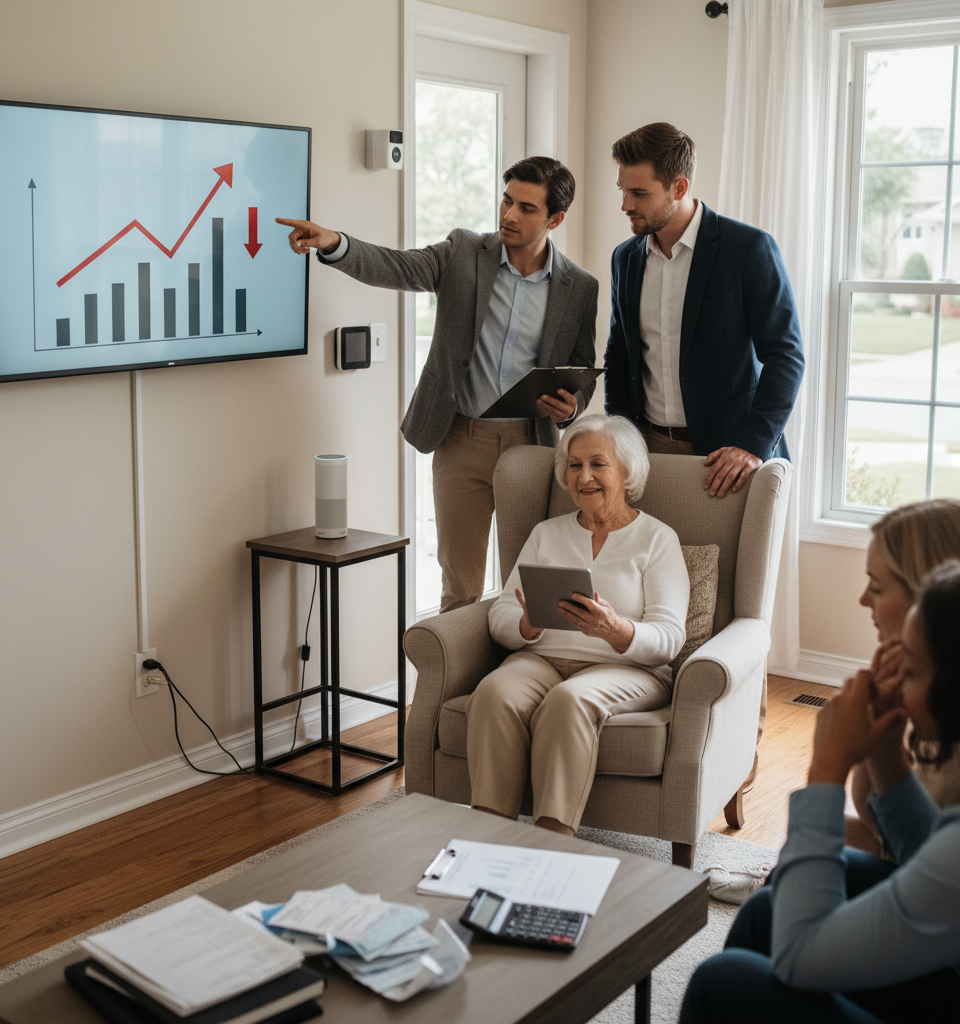
The integration of smart home technology is emerging as a cornerstone strategy for older adults seeking to maintain independence and safety within their own residences, a trend gaining significant traction across the United States. This technological evolution promises to transform the aging experience, offering solutions from automated lighting to sophisticated health monitoring systems. Yet, the widespread adoption of these innovations faces a substantial obstacle: the financing required for their implementation. Industry analysts and financial experts increasingly point to homeowners' equity as a pivotal, and often underutilized, resource to bridge this funding gap.
The Evolution of Aging in Place
The concept of aging in place has gained remarkable momentum over the past two decades, driven by a combination of personal preference and often, economic necessity. Studies consistently show that a vast majority of seniors – upwards of 90% according to AARP – prefer to remain in their homes as they age, rather than relocating to assisted living facilities or nursing homes. Historically, this aspiration has been challenged by declining mobility, health issues, and safety concerns. Smart home technologies, ranging from voice-activated assistants and fall detection systems to smart thermostats and remote monitoring devices, directly address these challenges, fostering an environment where independence can be sustained for longer periods.
Key Technologies and Their Impact
The spectrum of smart home technologies applicable to aging in place is broad and continually expanding. Essential devices include smart lighting systems that can adjust based on time of day or occupancy, reducing fall risks; smart doorbells and locks for enhanced security and remote access management; and medication dispensers with reminders. More advanced solutions encompass wearable health monitors that track vital signs and activity levels, alert systems for emergencies, and even robotic companions designed to provide social interaction and cognitive stimulation. For example, a report by the National Association of Home Builders indicated that safety and security features, such as remote monitoring and automatic shut-off systems, are among the most desired smart home amenities for older adults. The market for these technologies is projected to reach over $30 billion globally by 2027, underscoring their growing importance.
Overcoming the Financing Hurdle Despite the clear benefits, the initial investment in comprehensive smart home systems can be substantial, often ranging from a few hundred dollars for basic smart devices to several thousand for integrated, whole-home solutions.
This cost presents a significant barrier for many seniors, particularly those on fixed incomes. Financial institutions and aging advocacy groups are therefore exploring innovative funding mechanisms. One of the most promising avenues involves leveraging home equity, either through reverse mortgages, home equity lines of credit (HELOCs), or cash-out refinances. These options allow seniors to access the accumulated wealth in their homes without having to sell, providing the necessary capital for technological upgrades.
Industry and Market Dynamics
The smart home technology sector is experiencing vigorous growth, with new players and innovative products constantly entering the market. Major tech companies like Amazon, Google, and Apple are increasingly focusing on health and senior care applications within their smart home ecosystems. This competitive landscape is driving down costs for some basic devices, yet specialized solutions for aging in place often carry a premium. The challenge for the industry lies in making these sophisticated solutions more accessible and affordable, and in educating the consumer base about their potential. Insurers are also beginning to take note, with some exploring coverage options or discounts for homes equipped with technologies that mitigate risks like falls or fires.
Expert Perspectives on Housing Wealth
Financial advisors and elder care specialists are increasingly advocating for a more proactive approach to utilizing housing wealth. Dr. Eleanor Vance, a gerontology expert, notes, "For many seniors, their home represents their largest asset. It's a paradox that this wealth often sits idle while they struggle to afford essential quality-of-life improvements. Tools like reverse mortgages, when properly understood and carefully chosen, can unlock this capital, essentially funding a better, safer retirement experience at home." This sentiment is echoed by real estate economists who highlight the trillions of dollars in untapped home equity held by older adults, seeing it as a crucial component for funding an aging society.
The Future Landscape of Aging in Place
Looking ahead, the integration of smart home technology with healthcare delivery systems is expected to deepen considerably. Telehealth services will become more seamlessly embedded into the home environment, enabling remote consultations and continuous health monitoring. Personalization will also be key, with AI-driven systems learning individual routines and preferences to provide increasingly bespoke support. Furthermore, government programs and non-profit organizations may play a larger role in subsidizing or financing these technologies, recognizing their potential to reduce healthcare costs and improve quality of life. The next decade will likely see a significant shift, transforming homes from mere residences into adaptable, intelligent ecosystems tailored to the evolving needs of their aging occupants, with housing wealth acting as a vital catalyst for this transformation.
Navigating Policy and Personal Choice
The evolving paradigm also presents policy considerations. Policymakers face the task of ensuring equitable access to these technologies, establishing clear ethical guidelines for data privacy and security, and developing financial literacy programs to help seniors make informed decisions about leveraging their home equity. Ultimately, the successful widespread adoption of smart home technology for aging in place will depend on a confluence of technological innovation, accessible financing, informed consumer choice, and supportive public policy, all working in concert to empower older adults to live fulfilling, independent lives in the comfort of their own homes.