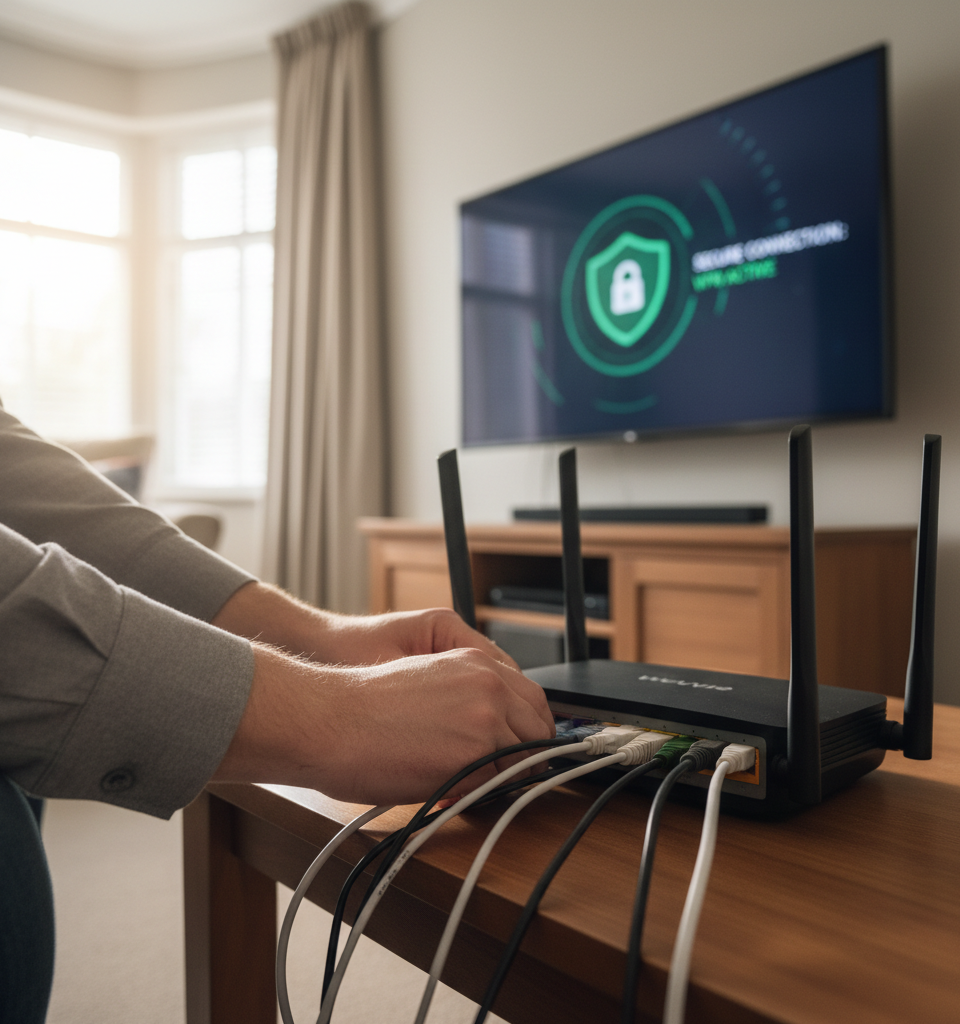
In an increasingly interconnected home environment, the security of smart devices, particularly smart televisions, has become a pressing concern. One individual has successfully implemented a router-based Virtual Private Network (VPN) as a solution to enhance the security posture of their smart TV, effectively creating a barrier against potential hacking attempts and data theft. This approach ensures that all internet traffic originating from the smart TV is encrypted and routed through the VPN, thereby obscuring the device's IP address and protecting sensitive user data from malicious actors.
The proliferation of smart home devices has undeniably brought convenience and advanced functionality, yet it has simultaneously introduced new vectors for cyberattacks. Smart TVs, often equipped with cameras, microphones, and access to personal streaming accounts, represent a significant vulnerability if not adequately secured. Traditional security measures, while important, often fall short of providing comprehensive protection for every device on a home network. The integration of a VPN at the router level addresses this gap by providing a blanket of security for all connected devices that route their traffic through it, offering a unified and robust defense mechanism that is often overlooked in consumer cybersecurity discussions.
Implementation Details and Benefits
The setup described involves installing VPN client software directly onto the home's primary router. This configuration means that any device subsequently connected to that router, including a smart TV, automatically benefits from the VPN's encryption and anonymization services without needing individual VPN installations. The primary benefit cited is the prevention of hackers from accessing the home network, thereby safeguarding personal data that might be associated with streaming services, smart TV applications, or other linked accounts. This method not only enhances privacy but also provides a layer of protection against sophisticated phishing attacks and malware that might target unencrypted traffic.
Historically, smart devices have been a soft target for cybercriminals due to often lax security protocols and infrequent software updates compared to more sophisticated computing devices. The "Internet of Things" (IoT) trend, while enhancing daily life, has simultaneously expanded the digital attack surface for households. The simple, yet impactful, step of employing a router-based VPN directly addresses these systemic vulnerabilities, offering a foundational security upgrade that extends beyond just the smart TV to encompass all devices utilizing the secured network.
Broader Industry Implications
This personal security enhancement points to a broader trend of consumers taking more proactive measures to secure their digital lives. As data privacy concerns escalate and cyber threats grow in sophistication, solutions like router-based VPNs are gaining traction. This shift could influence how technology companies design and secure their smart devices, potentially leading to more robust built-in security features or easier integration with third-party security solutions. The market for consumer cybersecurity is evolving, with a growing demand for holistic solutions that protect entire home networks rather than just individual devices.
From an industry perspective, this development could spur innovation in router firmware and VPN service offerings, focusing on user-friendly installation and management of network-wide security. It may also encourage greater collaboration between hardware manufacturers and cybersecurity firms to pre-configure routers with enhanced security features or make VPN integration more seamless out-of-the-box. As smart home ecosystems become more complex, the emphasis on foundational network security will only intensify.
Expert Commentary and Future Outlook
While the original account does not include specific expert quotes, the described solution aligns with general cybersecurity best practices advocating for layered security and network segmentation to protect sensitive data. Cybersecurity analysts frequently recommend VPNs for individuals concerned about online privacy and security, and extending this protection to all smart devices via a router is a logical and effective strategy. It represents a move towards a more secure digital future where proactive, rather than reactive, security measures become the norm.
Looking ahead, the trend of securing smart TVs and other IoT devices at the network level is likely to continue growing. We can anticipate more mainstream adoption of router-based VPNs, potentially leading to easier setup processes and more integrated security dashboards within home networking equipment. The drive for improved digital hygiene will undoubtedly push both consumers and manufacturers to prioritize comprehensive, network-wide security solutions for the connected home, ultimately making the digital landscape safer for all.