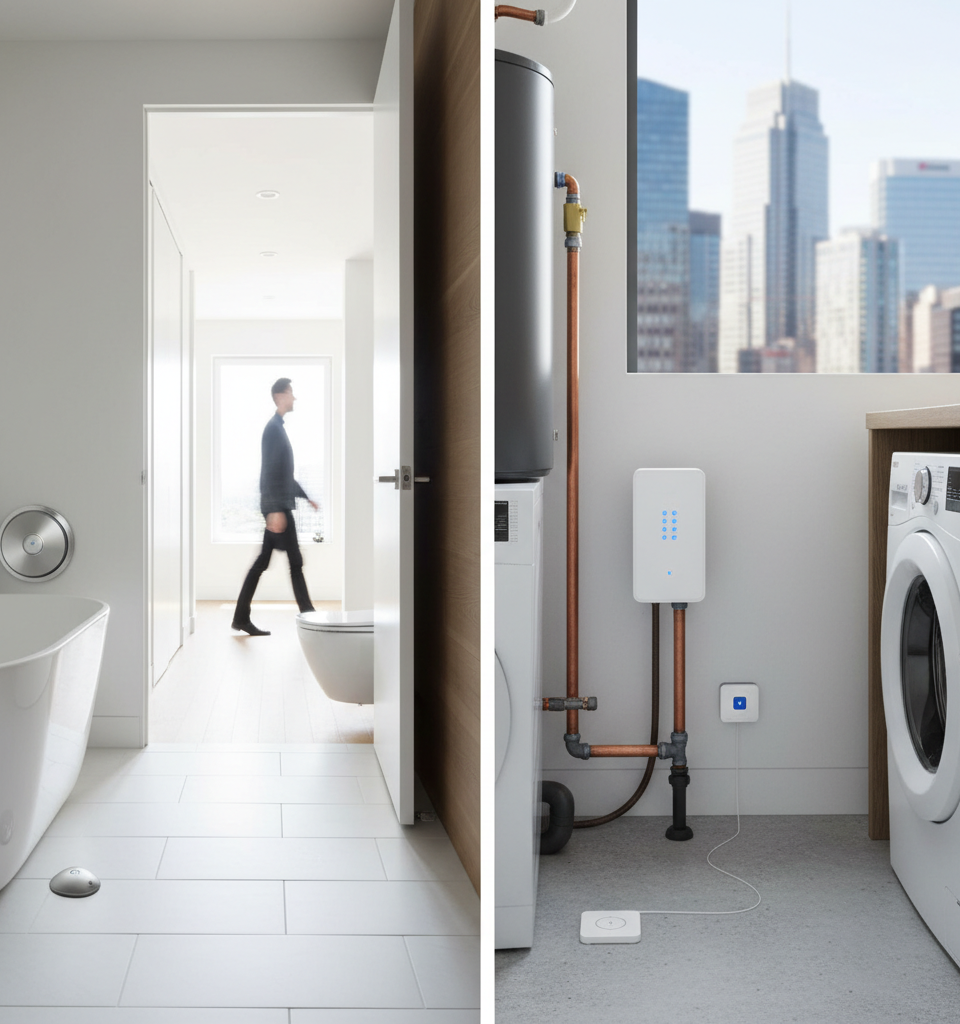
Property insurers face substantial claims from water damage annually; deploying smart home technology offers a clear path to mitigating these financial risks. The adoption of advanced leak detection systems could significantly influence future policy structures and operational efficiencies across the real estate sector.
As of 2026, a new generation of smart water leak detectors is poised to redefine home and business safety, offering crucial protection against water damage from incidents like busted pipes or overflowing appliances. Devices from key players such as Moen, Phyn, and TP-Link are highlighted for their effectiveness in swiftly identifying problems, potentially saving property owners from extensive and costly repairs.
The Rising Need for Proactive Protection
Water damage, often insidious, can lead to structural compromise, mold growth, and significant financial burdens. Traditional methods of detection often rely on visual inspection after damage has already occurred. The emergence of smart water sensors shifts this paradigm, allowing for immediate alerts and, in some cases, automatic water shut-off, thus minimizing the extent of potential damage. This proactive approach is particularly relevant given the aging infrastructure in many regions and the increasing prevalence of smart home ecosystems.
Key Players and Their Offerings
Among the top contenders, Moen, a long-established name in plumbing, offers integrated solutions that often combine leak detection with smart water shut-off valves. Their systems typically monitor water flow and pressure, identifying anomalies that could indicate a leak. Phyn, known for its sophisticated algorithms, provides whole-home monitoring through a single device installed on the main water line, learning water usage patterns to detect even minor leaks. TP-Link, a major player in smart home devices, enters the market with more accessible, often battery-powered, point-of-use sensors that can be placed in vulnerable areas like under sinks or near water heaters. These devices leverage Wi-Fi or other wireless protocols to send instant notifications to users' smartphones.
Technology Driving Early Detection
These smart sensors operate using various technologies. Many utilize electrical conductivity to detect the presence of water, triggering an alert when moisture bridges two metallic probes. More advanced systems from companies like Phyn employ ultrasonic technology or flow meters to analyze water pressure and flow rates, discerning abnormal patterns indicative of leaks. The integration with smart home platforms allows for remote monitoring and control, offering property owners peace of mind whether they are home or away. Real-time data and customizable alert settings enable users to respond promptly to potential issues.
Market Impact and Business Implications
The burgeoning market for smart water leak detectors represents a significant opportunity for both technology providers and the insurance industry. For property owners, these devices offer a tangible reduction in risk and potentially lower insurance premiums. For insurers, encouraging the adoption of such technology could lead to a decrease in claim payouts and improved customer satisfaction. Furthermore, the data collected by these devices could offer valuable insights into water consumption patterns and infrastructure vulnerabilities, informing future policy development and urban planning. The growth of this segment also fosters innovation in related fields, including smart plumbing and environmental monitoring.
What's Next for Smart Leak Detection
Looking ahead, the evolution of smart water leak detection is expected to focus on enhanced integration, artificial intelligence, and broader affordability. Future iterations may see seamless connectivity with other smart home systems, such as security cameras or climate control, to create a more comprehensive home protection ecosystem. AI and machine learning will likely refine detection accuracy, reducing false positives and improving the ability to distinguish between normal water usage and a true leak. As manufacturing scales, these devices are anticipated to become more accessible to a wider consumer base, making proactive water damage prevention a standard feature in modern homes and commercial properties. The push towards more sustainable living and resilient infrastructure will further accelerate their adoption.