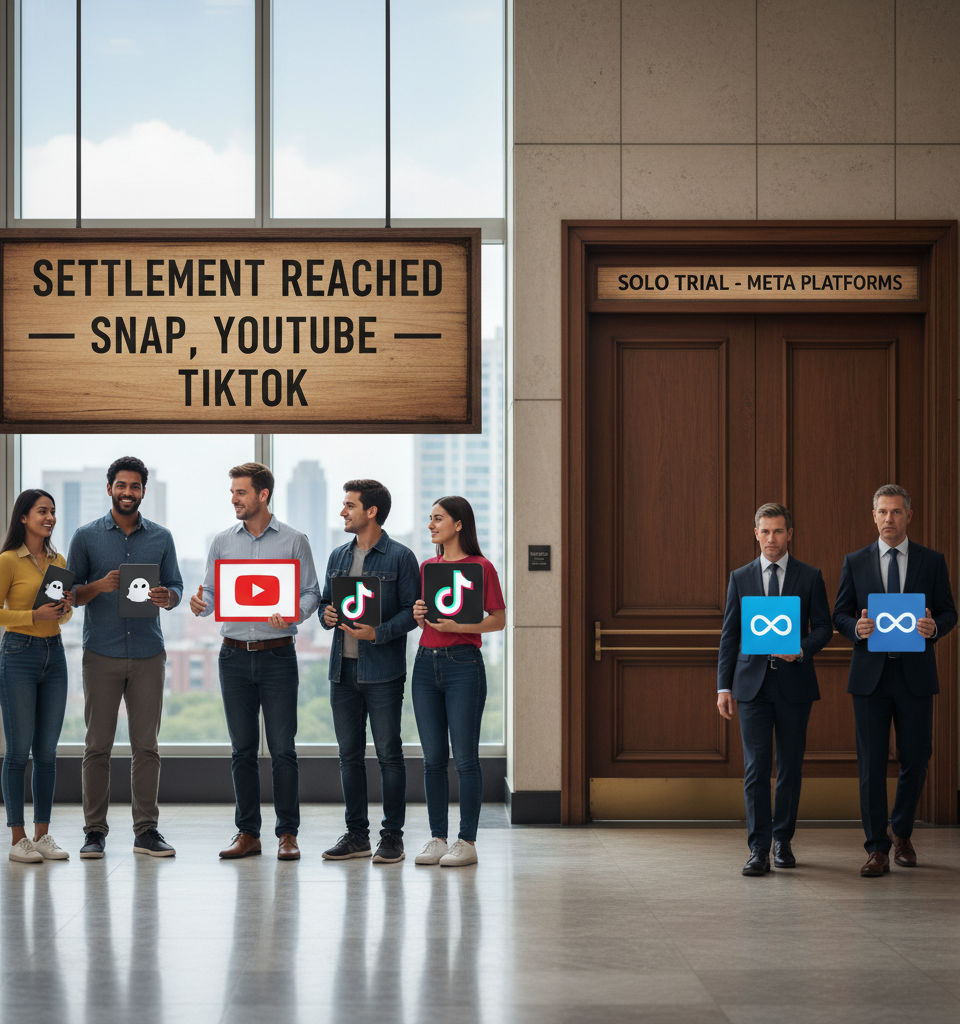
In a pivotal development within the ongoing legal challenges facing social media companies, Snap Inc., Google's YouTube, and ByteDance's TikTok have finalized settlements in the first-ever lawsuit initiated by a public school district. This litigation, centered on claims that social media addiction detrimentally impacted student learning and forced schools to allocate substantial resources to address a surging youth mental health crisis, saw the settlements formally filed last Friday in a federal court in Oakland, California. The agreements effectively isolate Meta Platforms, the parent company of Facebook and Instagram, which now stands as the sole remaining defendant facing these allegations in this particular legal action.
Background to the Litigation
This lawsuit represents a growing wave of legal challenges brought by educational institutions and parents across the United States, all alleging that social media platforms are intentionally designed to be addictive, particularly to young users. The core of these complaints revolves around the assertion that features like infinite scrolling, notifications, and personalized algorithms exploit adolescent psychology, leading to excessive screen time, sleep deprivation, anxiety, depression, and other mental health issues. Schools argue that these widespread problems manifest directly in classrooms, leading to decreased academic performance, increased disciplinary issues, and a strain on school resources that must now be diverted to mental health support and intervention programs.
The initial filing by the dozens of school districts earlier this year sought to recoup these substantial costs and compel changes in platform design.
Key Details of the Settlements
While the specific financial terms and non-monetary commitments of the settlements with Snap, YouTube, and TikTok have not been publicly disclosed, their agreement to settle underscores the increasing legal pressure on social media companies. The confidential nature of these settlements is typical in multi-district litigation of this scale, often involving non-disclosure agreements. Legal experts suggest that such settlements likely include monetary compensation to the plaintiff school districts and may entail commitments to implement enhanced safety features, more robust parental controls, or contribute to educational initiatives on digital well-being. These agreements, even without full public disclosure, send a clear signal to the tech industry regarding the escalating liability associated with the societal impact of their platforms, particularly on younger demographics.
Industry and Market Impact
The decision by three major players to settle could prompt a reevaluation of legal strategies across the tech industry. For Meta, which now faces the prospect of a trial alone against these specific claims, the stakes are significantly higher. This outcome could influence investment decisions, regulatory oversight, and even product development roadmaps across the social media landscape. Anticipated ripple effects include increased scrutiny from investors regarding potential legal liabilities and the long-term sustainability of business models heavily reliant on user engagement, particularly from minors. The broader market may also see an acceleration of efforts to incorporate more 'responsible' design principles and enhanced safety features, partly as a proactive measure against future litigation and partly in response to growing public and legislative pressure.
Expert Perspectives on the Outcome
Legal scholars and tech policy analysts view these settlements as a significant victory for the plaintiffs and a potential bellwether for future cases. Dr. Evelyn Reed, a professor of digital law at a prominent West Coast university, noted, "These settlements, even if confidential, validate the core premise of the plaintiffs' claims: that social media companies bear a responsibility for the impact of their products on young users.
" Other experts highlight that the precise nature of the injunctive relief, if any, will be crucial. " The expectation is that this legal precedent will embolden other school districts and potentially state attorneys general to pursue similar actions.
What's Next for Meta and the Industry
With Snap, YouTube, and TikTok out of the immediate fray, Meta Platforms now stands at a critical juncture. The company faces the daunting task of defending its platforms against these addiction claims without the collective legal weight of its former co-defendants. This could lead to intense discovery processes, potentially revealing internal company documents and communications that shed more light on design choices and their intended effects on user engagement.
Observers predict that Meta will either pursue a substantial settlement to avoid a potentially damaging public trial or prepare for a robust defense, arguing that parental supervision and individual choices play the dominant role in mental well-being outcomes. Regardless of Meta's path forward, this lawsuit, and its recent settlements, irrevocably alters the landscape of accountability for social media companies, ushering in an era of heightened legal and ethical scrutiny regarding their impact on the youngest generations.