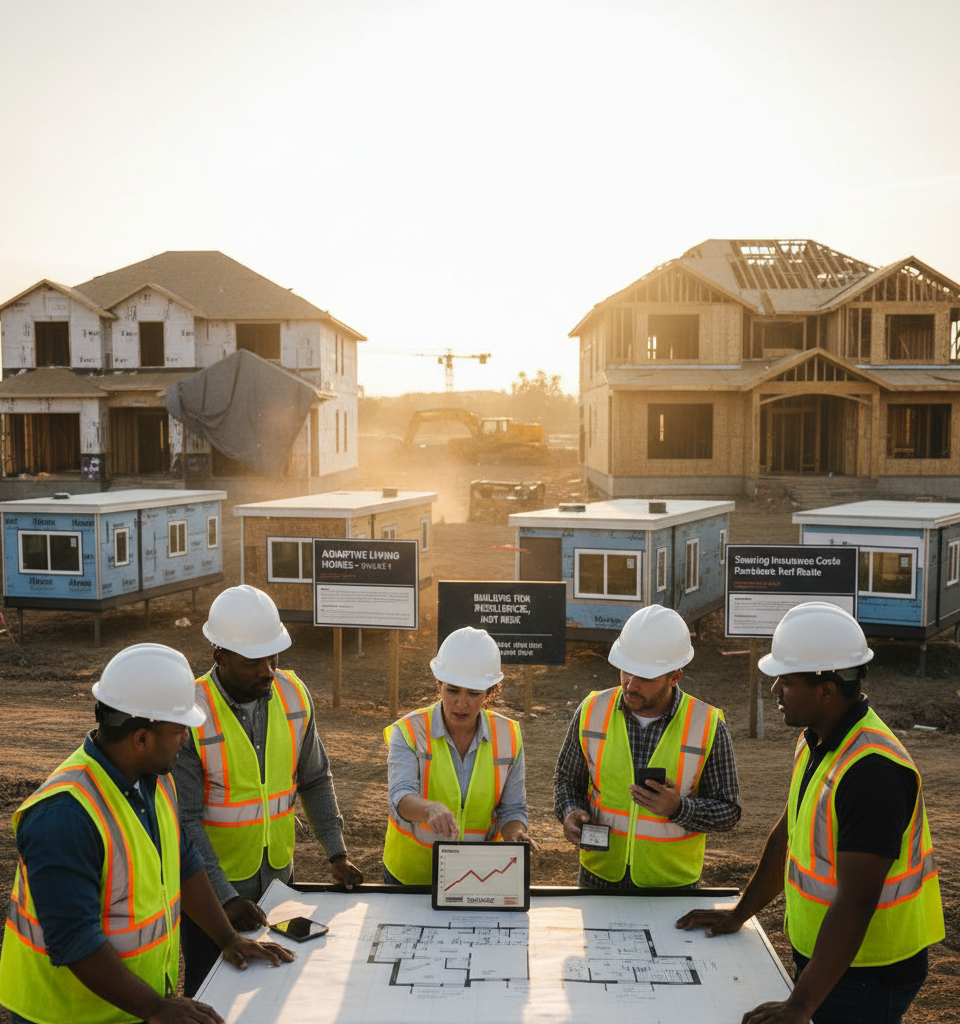
The landscape of residential real estate is undergoing a significant transformation as homeowners insurance premiums continue to skyrocket, forcing a paradigm shift in how new homes are bought and sold. This evolving dynamic, particularly pronounced in regions susceptible to climate-related risks, is compelling homebuilders to rethink traditional transaction models and proactively address insurance challenges. Companies like Westwood Insurance Agency are now partnering with builders to embed insurance considerations much earlier in the homebuying journey, aiming to smooth out an increasingly bumpy path for consumers.
The Insurance Imperative in Real Estate
Historically, homeowners insurance was often an afterthought in the homebuying process, a necessary but minor closing cost. Today, it has become a critical gating factor, with its cost and availability directly impacting affordability and mortgage qualification. The average annual premium for homeowners insurance has surged by 20% to 30% in many states over the past few years, with some regions experiencing even more dramatic increases. Florida, for instance, has seen average premiums exceed $6,000 annually, pushing many insurers to withdraw from the market altogether. This escalating crisis stems from a confluence of factors, including increased frequency and severity of natural disasters, rising reconstruction costs, and inflationary pressures on materials and labor.
Proactive Builder Strategies
Builders are responding to this challenge by integrating insurance solutions as a core component of their sales and customer service strategy. Partnerships with agencies like Westwood Insurance are becoming more common, allowing builders to offer pre-vetted, competitive insurance options directly to homebuyers. This approach addresses several pain points: it provides buyers with clear cost estimates early on, helps identify potential coverage gaps, and can even facilitate the streamlining of the mortgage approval process. By making insurance an upfront consideration, builders aim to reduce unforeseen complications that could derail a sale, such as a buyer being unable to secure adequate or affordable coverage at the last minute.
Market Impact and Consumer Strain
The ripple effects of this insurance crisis are profound, impacting housing supply, demand, and affordability. In high-risk areas, the prohibitive cost of insurance can price out potential buyers, further exacerbating the housing crunch. Some homebuyers are finding that their mortgage payments are perfectly affordable, but the combined cost of principal, interest, taxes, and insurance (PITI) pushes homeownership out of reach. This situation is leading to a two-tiered housing market, where homes in lower-risk insurance zones command higher prices, while properties in vulnerable areas struggle to find buyers, even with otherwise attractive price points. The financial burden on consumers is substantial, diverting funds that could otherwise be used for home improvements, savings, or other economic activity.
Expert Perspectives on Adaptation
Insurance industry experts and real estate analysts emphasize that this shift is not temporary but rather a fundamental reshaping of the market. "The days of insurance being a boilerplate line item are over," stated one prominent real estate economist. "It's now a significant financial hurdle that requires proactive management from all stakeholders." Analysts suggest that builders who can offer bundled solutions or effectively guide buyers through the insurance maze will gain a competitive advantage. Furthermore, there's a growing call for innovations in insurance models, such as parametric insurance or government-backed reinsurance programs, to stabilize the volatile market.
The Path Forward: Innovation and Integration
Looking ahead, the integration of insurance into the real estate transaction is expected to deepen. We may see more builders invest in resilient construction practices that qualify for insurance discounts, or even explore captive insurance arrangements. Technology will also play a crucial role, with AI-driven platforms helping to assess risk more accurately and personalize coverage options. The overarching trend indicates a move towards a more transparent and integrated process, where insurance is no longer an external obligation but an intrinsic part of the homebuying experience, designed to provide stability and confidence to both buyers and sellers in an increasingly unpredictable world. This evolution will likely continue to accelerate, driven by both market forces and regulatory responses to climate change and risk management. Builders will need to remain agile, continually seeking solutions that bridge the gap between burgeoning insurance costs and buyers' aspirations for homeownership.