Celestial Mechanics and Terrestrial Imperatives
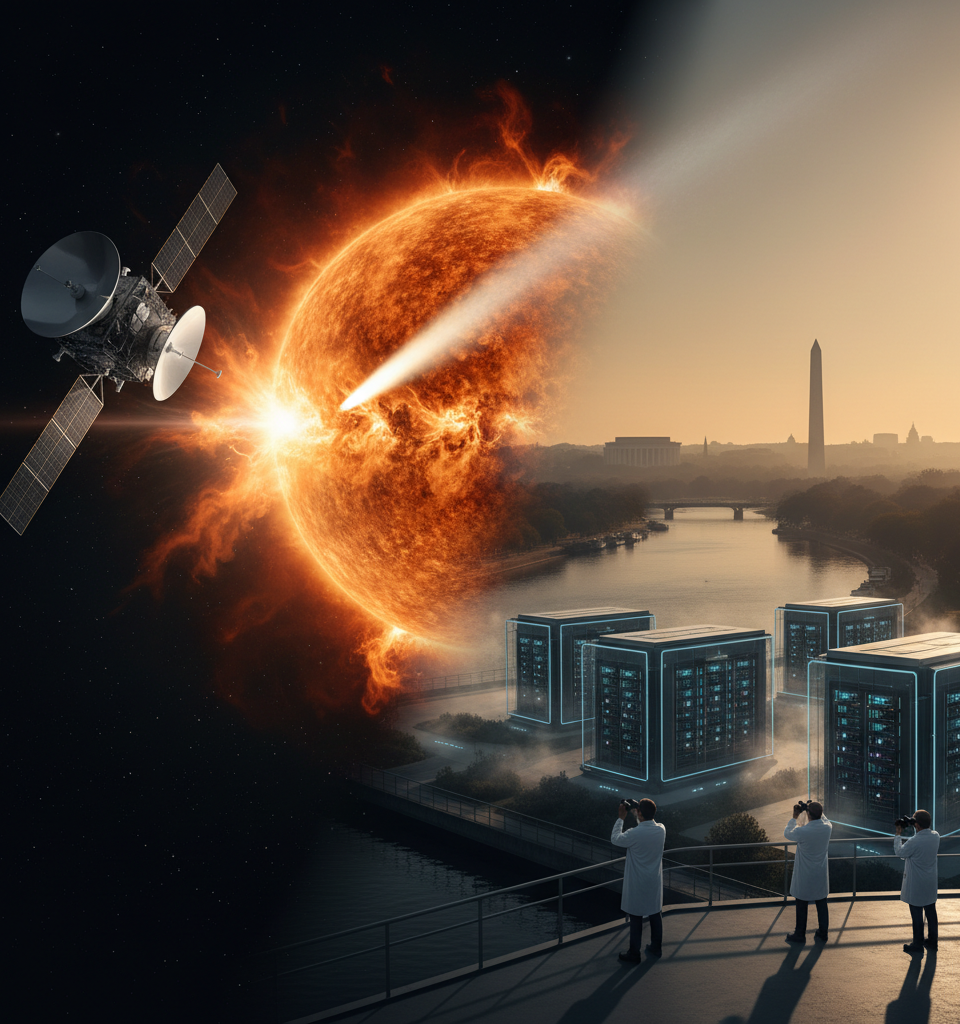
The destruction of the comet, observed by NASA's solar observatories, underscores the immense power of our star and the dynamic nature of the solar system. While comets frequently approach the Sun, only a fraction succumb to its gravitational and thermal forces in such a visually spectacular manner. This event serves as a potent reminder of the ongoing celestial ballet. On Earth, however, a more pressing and human-induced drama is unfolding. The non-profit advocacy group American Rivers, in its annual "America's Most Endangered Rivers" report, has spotlighted the rapid proliferation of data centers in Northern Virginia and their escalating threat to the Potomac River, a vital water source for millions.
Data Centers' Thirst and Artemis's Reach The American
Rivers report specifically details the substantial water demands of these data centers, which require vast quantities of water for cooling their servers. While specific exact figures were not immediately available in the initial announcements, previous studies have indicated that a single large data center can consume millions of gallons of water daily, rivaling the consumption of small cities. This demand, coupled with increased wastewater discharge and potential for thermal pollution, presents a severe challenge to the ecological health and water supply capacity of the Potomac River basin. Concurrently, the Artemis II astronauts continue their debriefing after their successful mission, with a new PBS documentary now streaming on YouTube offering an in-depth look at the program's ambitious goal of returning humans to the lunar surface. The European Space Agency (ESA) also contributed to this week's space narrative, sharing a captivating throwback image of Mars, reinforcing humanity's broader solar system explorations.
Economic Drivers vs. Ecological Balance Northern
Virginia has become a global hub for data centers, attracting billions of dollars in investment and creating thousands of jobs. Loudoun County, Virginia, for instance, is often referred to as "Data Center Alley," hosting over 70% of the world's internet traffic. This economic boom, however, is now directly clashing with environmental sustainability. The sheer scale of development is putting unprecedented strain on local water resources and infrastructure. The industry's impact extends beyond water consumption, encompassing land use changes, energy demands, and the potential for increased carbon emissions, despite efforts towards greener data center operations.
Expert Commentary on Sustainable Growth
Environmental scientists and policy analysts are increasingly vocal about the need for more stringent regulations and sustainable practices within the data center industry. Dr. Elena Petrova, a hydrologist specializing in riverine ecosystems, states, “The Potomac River is already under pressure from urbanization and climate change. Adding the intensive water requirements of unchecked data center growth without robust mitigation strategies is a recipe for ecological disaster.” Industry experts, while acknowledging environmental concerns, emphasize the essential role data centers play in the global digital economy and advocate for advanced cooling technologies and water recycling initiatives to minimize ecological footprints. The challenge lies in balancing economic growth with crucial environmental protection.
The Path Forward: Regulation, Innovation, and Exploration
Looking ahead, the implications are multi-faceted. On Earth, the American Rivers report is expected to galvanize renewed legislative efforts and public pressure for more sustainable data center development in the Potomac River region. This could lead to stricter zoning laws, mandatory water efficiency standards, and incentives for innovative closed-loop cooling systems. Discussions will likely intensify regarding the feasibility of relocating future data center expansion to areas with less water stress. In space, the Artemis program continues its march toward indelible lunar milestones. The PBS documentary serves to keep public interest high as NASA and its international partners prepare for future crewed missions, including Artemis III, which aims to land humans on the Moon once again, potentially as early as 2026. The continued stream of cosmic imagery from NASA and ESA ensures that humanity's gaze remains fixed on the wonders and challenges beyond Earth. The confluence of these events — from the dramatic destruction of a comet to the pressing environmental concerns on Earth and the inspiring strides toward lunar re-exploration — paints a vivid picture of humanity's ongoing interaction with both the cosmos and our home planet.