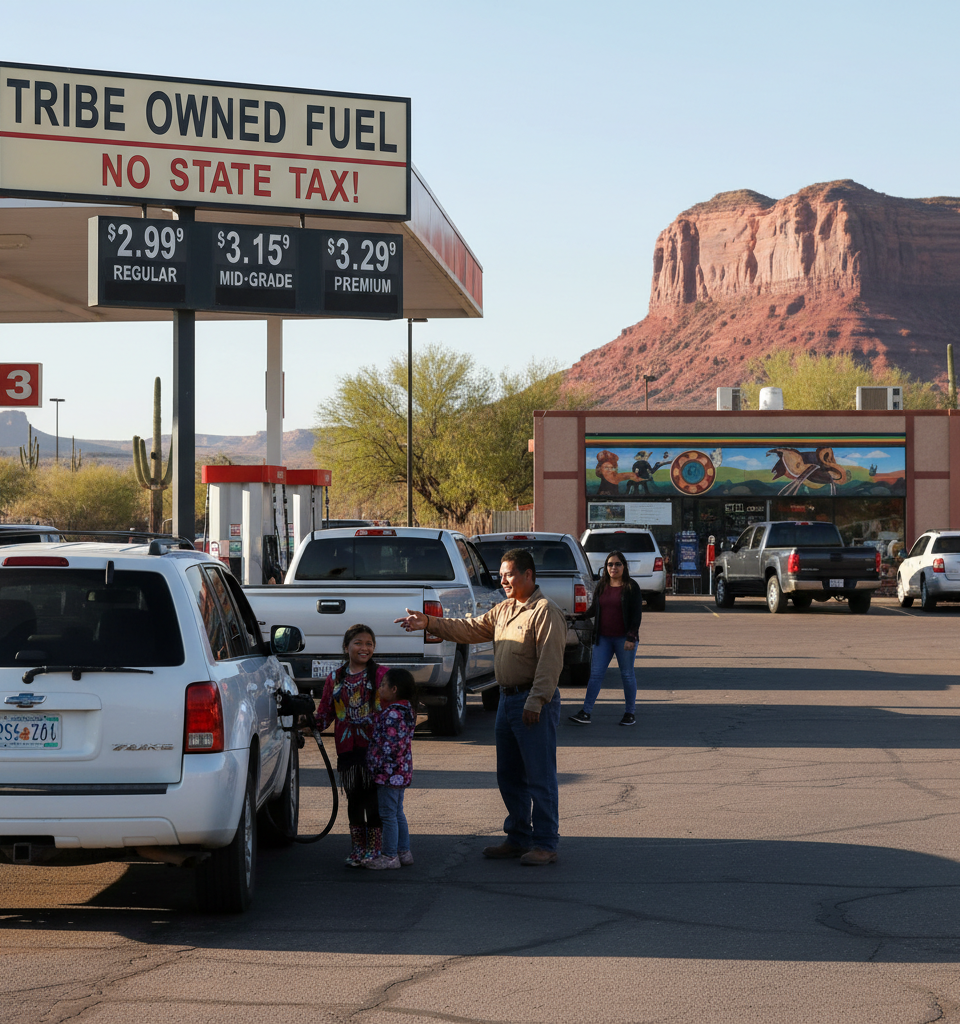
Amid fluctuating fuel prices nationwide, Native American reservations are emerging as unexpected havens for consumers seeking relief at the pump. Across the United States, nearly 500 tribally owned convenience stores, integrated with gas stations, are consistently offering some of the most competitive fuel prices due to their unique tax status. This critical advantage stems from tribes' exemption from state gas taxes, a fiscal sovereignty that translates directly into savings for motorists who frequent these establishments.
This phenomenon is not merely an isolated occurrence but a widespread trend offering a tangible economic benefit to both tribal nations and the broader public. The legal framework supporting these exemptions is rooted in a complex history of tribal sovereignty and federal Indian law, which generally exempts tribally owned enterprises on reservation lands from state taxation. This distinct regulatory environment creates a significant pricing advantage, particularly in states with high fuel taxes, drawing consumers from both reservation communities and surrounding areas. For many American households grappling with persistent inflationary pressures, the opportunity to save several cents, or even dollars, per gallon can be a meaningful financial reprieve.
The Economic Impact of Tribal Sovereignty in Fuel Sales
The economic implications of these tax exemptions extend beyond individual consumer savings. For tribal nations, these convenience stores and gas stations represent vital economic engines, generating revenue that can be reinvested into community services, infrastructure, and job creation. The ability to offer lower fuel prices serves as a significant draw, increasing foot traffic not only to the gas pumps but also to the associated convenience stores, boosting overall sales and strengthening the tribal economy. This self-sustaining economic model underscores the importance of tribal sovereignty in fostering economic development within reservation boundaries.
The competitive pricing strategy employed by these tribal enterprises often forces surrounding, off-reservation gas stations to adjust their own prices, even if marginally, to retain customers. This competitive pressure can contribute to a broader downward trend in local fuel prices, providing a spillover benefit to all consumers in the vicinity. The market dynamics created by these tax-exempt operations highlight the interconnectedness of regional economies and the nuanced ways in which legal and regulatory frameworks can influence commercial landscapes.
Geographic Distribution and Consumer Accessibility
These cost-effective fuel options are available at a substantial number of locations, with almost 500 tribally owned convenience stores boasting gas stations across the U.S. This widespread presence means that many Americans, especially those residing near or traveling through Native American lands, have consistent access to more affordable fuel. The geographic distribution of these facilities varies, with concentrations often found in states with larger Native American populations and tribal lands, such as Arizona, Oklahoma, New Mexico, and the Dakotas, among others.
For consumers, especially those with long commutes or managing fleets, strategically planning fuel stops at tribal gas stations can lead to substantial long-term savings. The visibility of these price differentials, often advertised on digital price boards or through mobile applications, is becoming an increasingly important factor in consumer decision-making. This trend also subtly educates the public about tribal sovereignty and the distinct economic practices within Native American nations.
Broader Implications for State Revenue and Market Competition
The existence of these tax-exempt fuel stations does raise broader questions about state revenue and market competition. States rely on gas taxes to fund critical infrastructure projects, such as road maintenance and construction. The revenue forgone from sales at tribal stations represents a portion of what would otherwise contribute to these state-level funds. However, this is balanced against the federal government's trust responsibility to Native American tribes and the recognition of their inherent sovereignty.
From a market competition standpoint, the situation presents a unique challenge for non-tribal gas stations operating adjacent to reservations. While they operate under different tax burdens, the tribal establishments are often seen as a beneficial consumer option, fostering competition that can ultimately push all market participants to offer better value. As fuel prices continue to be a significant concern for American households and businesses, the role of tribally owned gas stations as providers of more affordable fuel is likely to grow in prominence and public awareness in the coming years.