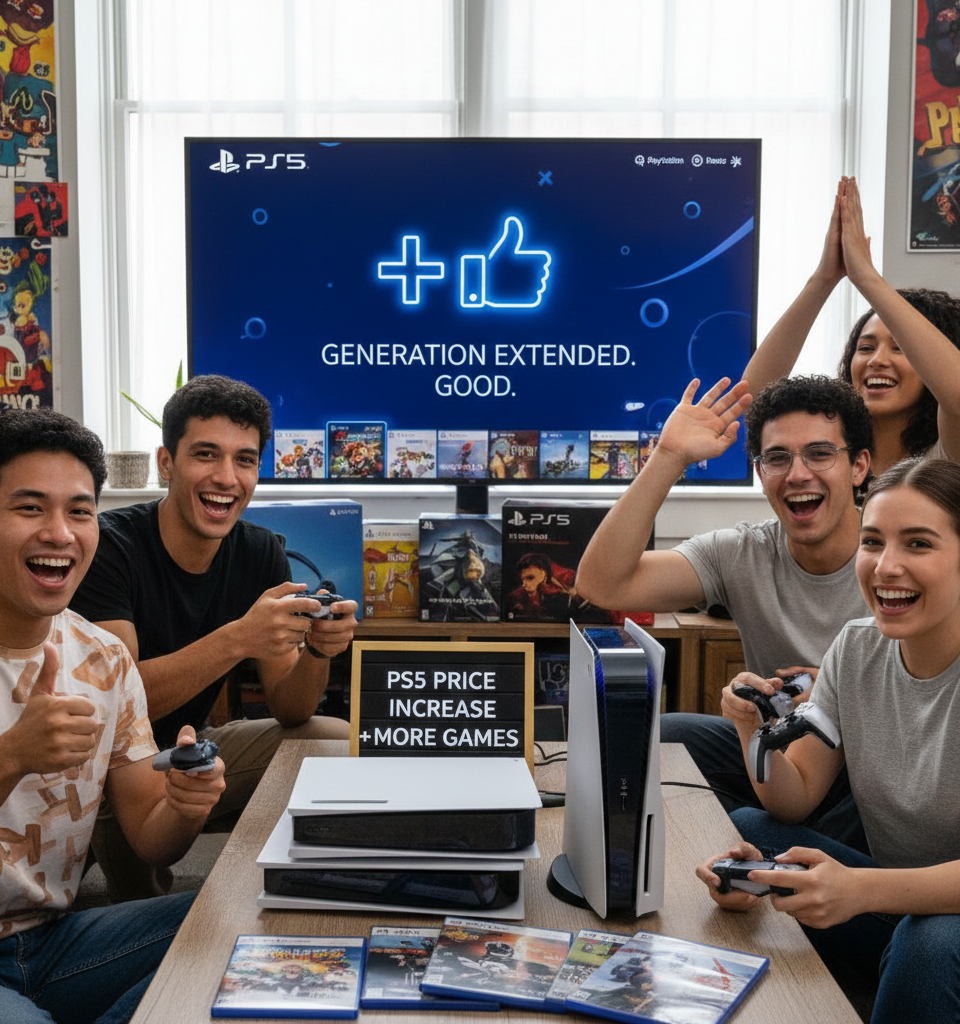
Recent price increases for Sony's PlayStation 5 console across various global markets are being interpreted by industry analysts as a strong indicator that the current console generation may endure considerably longer than many initially anticipated. This development positions Sony's flagship gaming device, and by extension, its primary competitor, Microsoft's Xbox Series X/S, for an extended lifecycle, potentially altering the traditional console refresh cycle and impacting consumer adoption strategies. The decision to raise prices, rather than reduce them as often occurs later in a console's lifespan, signals a distinct market confidence and a departure from historical norms within the fiercely competitive gaming hardware sector.
Shifting Market Expectations and Strategic Implications
Historically, console generations have typically spanned five to seven years, culminating in price reductions to stimulate demand in the latter half of their cycles. Sony's move to increase PS5 prices deviates sharply from this pattern, suggesting a strategic recalculation of the console's projected lifespan and value proposition. This could reflect ongoing component scarcity, increased manufacturing costs, or a deliberate move to maximize profitability from an already highly sought-after product. The implication is that both Sony and, by extension, other major players in the console space, foresee ample untapped market potential and continued demand for the existing hardware, mitigating the immediate pressure for a successor console generation.
The global economic climate, characterized by inflationary pressures and supply chain disruptions, likely plays a significant role in this decision. While consumers typically expect price declines over time for technology products, the current macroeconomic environment provides a unique context for such adjustments. For Sony, maintaining profitability and managing supply chain challenges may necessitate these price hikes, even at the risk of some consumer backlash. However, the consistent high demand for the PS5 since its launch in late 2020 suggests that a significant portion of its target audience remains willing to pay a premium for the latest gaming technology.
Broader Industry Repercussions and Consumer Impact
An extended console generation could have profound implications for the entire gaming ecosystem. Game developers might benefit from a more stable hardware target, allowing for more optimized and graphically intensive titles over a longer period, without the immediate pressure to develop for an impending new generation. This could lead to a deeper catalog of high-quality, mature games for the PS5 and Xbox Series X/S. From a consumer perspective, it means a slower upgrade cycle, potentially alleviating financial pressure on households and allowing more time to invest in the existing game libraries and accessories.
Moreover, this extended lifecycle could bolster the appeal of digital gaming services and subscriptions, such as PlayStation Plus and Xbox Game Pass. With a prolonged hardware shelf life, these services become even more central to the platform holders' recurring revenue strategies, offering a steady stream of content on existing machines. The focus shifts from hardware sales as the primary driver of engagement to service subscriptions, which promise more predictable and long-term revenue streams.
The Future of Console Cycles and Competitive Landscape
This strategic pivot by Sony could set a precedent for future console generations, signaling a potential move towards longer, more iterative hardware cycles akin to the smartphone market, rather than distinct, short-lived generations. Such a shift would require recalibration from competitors like Microsoft, who would need to assess their own hardware strategies in light of Sony’s apparent long-term plan for the PS5. The competitive dynamic between PlayStation and Xbox would less likely be about who launches next-generation hardware first, and more about who can maintain ecosystem value and content excellence over a sustained period.
The industry will be closely watching consumer response to these price changes and their subsequent impact on sales figures. Should demand remain robust despite the increased cost, it would further validate Sony’s strategy and potentially cement a new paradigm for console generation lifespans. This move not only underscores the enduring popularity and technological prowess of the PS5 but also strongly indicates that the current chapter of console gaming is poised to run significantly longer than originally envisioned.