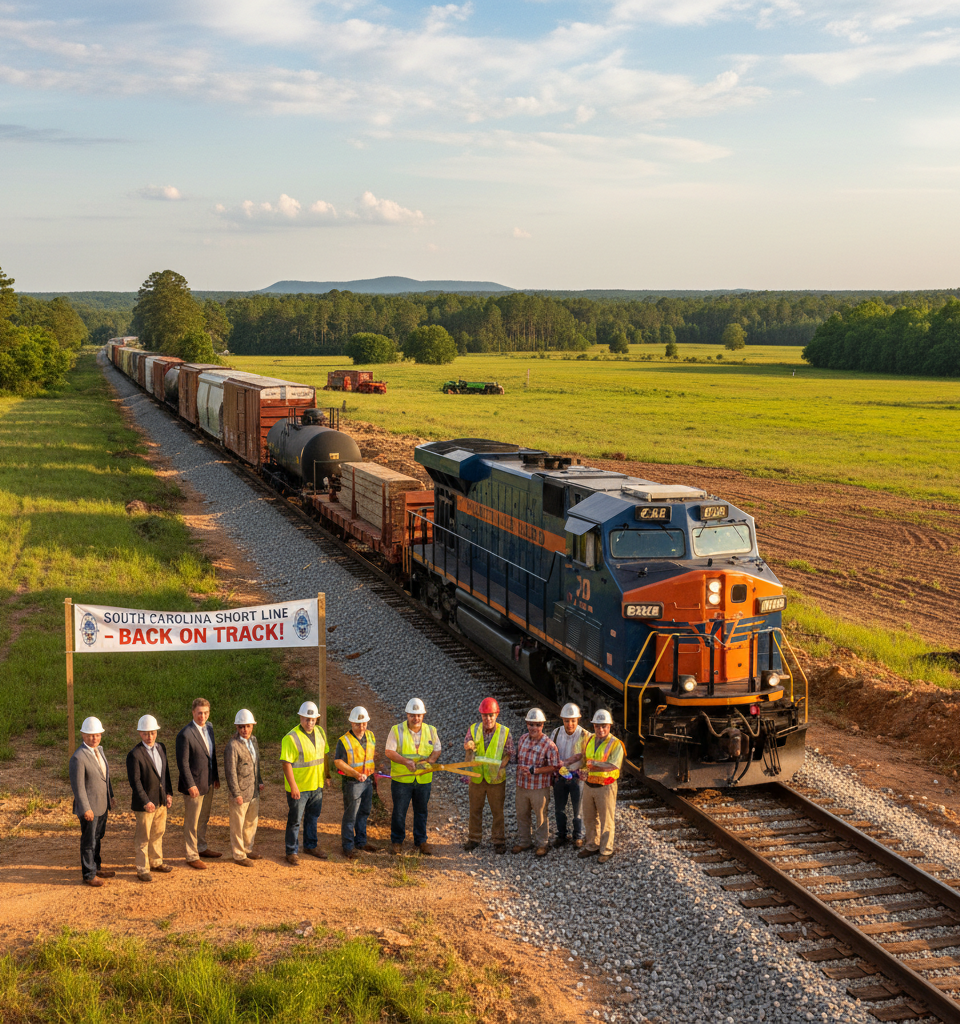
COLUMBIA, SC – April 23, 2024 – A critical short line rail route in southern South Carolina is poised for reactivation, with its first freight trains expected to traverse the tracks since 2012. This long-awaited resumption of service, spearheaded by a consortium of local and regional stakeholders, signals a pivotal moment for economic development and logistical improvements in the state's southern counties. The reintroduction of rail traffic is anticipated to streamline industrial operations, reduce trucking costs, and attract new businesses to a region eager for enhanced connectivity.
A Decade of Dormancy Ends: Historical Context and Economic Imperative
The rail line, a vital artery for agricultural and industrial goods in its heyday, fell silent over a decade ago amidst shifting economic landscapes and operational challenges. Its dormancy forced local businesses to rely exclusively on road transport, increasing logistics costs and contributing to highway congestion. The concerted effort to restore service reflects a growing recognition of the strategic importance of short line railways in connecting rural and industrial areas to major transportation hubs and national rail networks. This initiative aligns with broader state and federal pushes to invest in resilient, multimodal supply chains.
Key Details and Operational Specifics
While specific details regarding the operational entity and initial freight volumes remain under wraps pending official announcements, sources close to the project indicate significant investment has been made in track maintenance, signal system upgrades, and bridge repairs over the past year. Industry insiders suggest that the route primarily serves agricultural interests, timber operations, and potential manufacturing facilities in the area. The return of rail service is expected to offer a more cost-effective and environmentally friendly alternative to long-haul trucking, particularly for bulk commodities. Initial estimates project a potential 15-20% reduction in transportation costs for affected businesses once regular service is fully established.
Industry Impact and Broader Market Implications
The revival of this South Carolina short line is not an isolated event but rather indicative of a broader trend within the U.S. freight sector, where regional rail lines are experiencing a resurgence in value. As supply chain disruptions continue to highlight the vulnerabilities of an over-reliance on single modes of transport, companies are increasingly seeking diversified and resilient logistics options. The reactivation of this line is expected to alleviate pressure on local road infrastructure and potentially divert a significant volume of freight from congested highways, contributing to improved road safety and reduced emissions. This move could also spur similar rehabilitation projects for other underutilized rail assets across the Southeast.
Expert Perspectives on Future Growth
Transportation economists view the reactivation as a prudent long-term investment. Dr. Eleanor Vance, a logistics expert at the University of Charleston, commented, "Short line railways play an indispensable role in serving last-mile industrial needs and connecting rural economies to the broader national and international supply chains. This particular project in South Carolina demonstrates a strategic understanding of logistics optimization and regional economic development. We anticipate seeing a measurable positive impact on local GDP and job creation within the next 3-5 years, potentially drawing new industrial tenants to the corridor." She also noted that such investments often yield high returns in terms of efficiency gains for shippers.
What's Next: Phased Rollout and Economic Development
Officials are expected to announce a phased rollout of services, potentially beginning with a limited schedule to allow for further operational testing and integration with existing logistics networks. Beyond freight movement, the long-term vision includes leveraging the revitalized rail infrastructure to attract new industrial parks and warehousing facilities along the route, creating a ripple effect of job growth and investment. Local economic development agencies are already in discussions with prospective businesses eager to capitalize on the restored rail access, signaling a new chapter of growth for southern South Carolina.