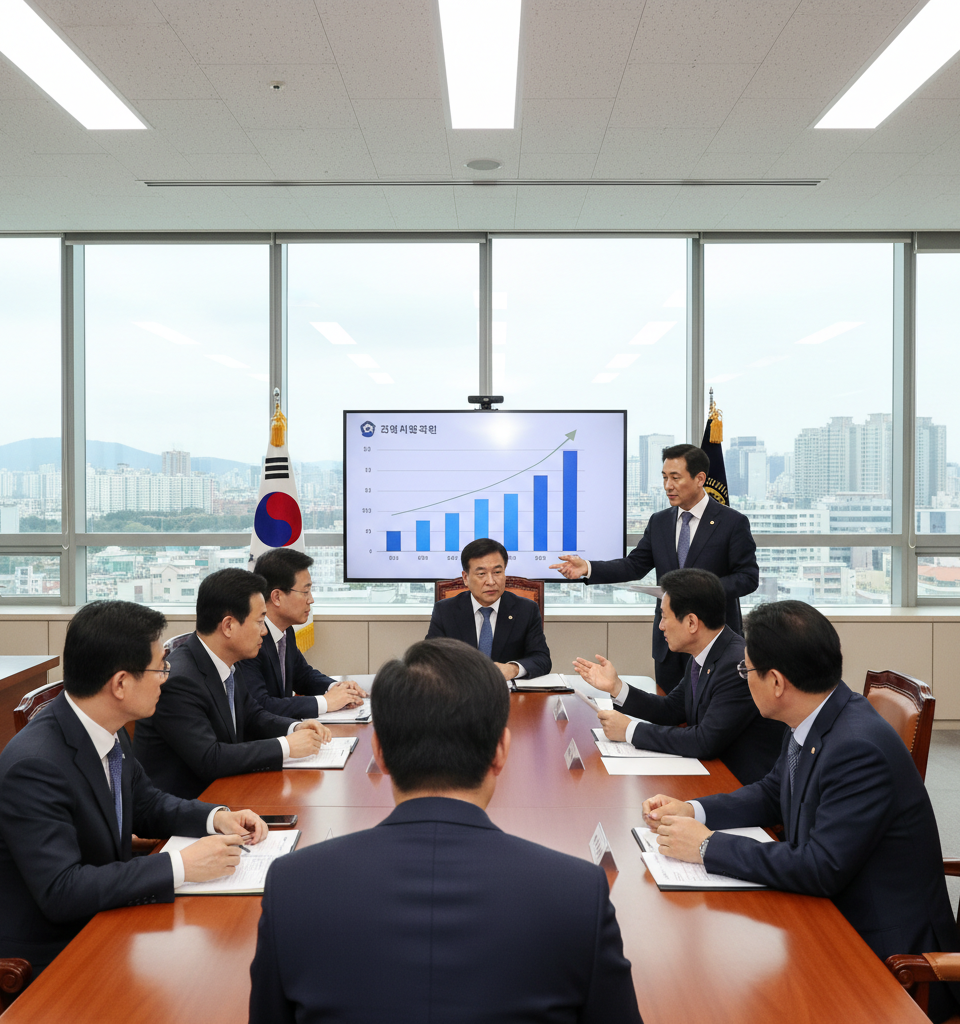
The South Korean government has declared its intention to exhaust all available options to avert an unprecedented strike at Samsung Electronics, the nation's most iconic and economically significant conglomerate. This declaration comes as the National Samsung Electronics Union (NSEU), representing a substantial portion of the company's workforce, threatens industrial action following a breakdown in wage negotiations, raising significant concerns about potential disruptions to global supply chains and the national economy.
Context and Background
Samsung Electronics, a global technology titan, has historically maintained a strike-free record since its founding in 1969, a testament to its powerful influence and often perceived paternalistic corporate culture. However, the formation and growing strength of the NSEU in recent years have shifted this dynamic. The union, which now claims over 28,000 members, representing roughly 22% of Samsung Electronics' total workforce, is demanding a 6.5% wage increase and a bonus pegged to the company's operating profits. The company, facing a challenging semiconductor market environment, has offered a 5.1% increase. This impasse not only highlights changing labor relations within South Korea's chaebol system but also underscores the broader global trend of increased worker activism even within traditionally non-unionized tech giants.
Key Details of the Dispute
The dispute escalated when the NSEU announced plans for a collective leave day on June 7, signaling a preliminary step towards a full-scale strike if negotiations remain stalled. This action, while not a full work stoppage, is a significant symbolic move, marking the first time the union has authorized such a collective protest. The union's demands for a higher wage hike and performance-based bonuses are driven by concerns over inflation and the perceived disparity between executive compensation and average worker salaries.
Samsung Electronics, on the other hand, emphasizes the downturn in memory chip demand in 2023, which significantly impacted its profitability, with the semiconductor division alone reporting trillions of won in losses last year despite signs of recovery in early 2024. The government's involvement signals the high stakes, as any disruption at Samsung could exacerbate global economic uncertainties, particularly given its dominant position in memory chips (DRAM and NAND flash) and OLED panels.
Industry and Market Impact
A strike at Samsung Electronics would reverberate throughout the global technology industry and beyond. Samsung is the world's largest producer of memory chips, critical components for everything from smartphones and data centers to artificial intelligence infrastructure and automotive electronics. Even a partial disruption to its production lines could lead to immediate price surges for key components, creating significant stress for downstream manufacturers like Apple, Qualcomm, and Nvidia. Analysts suggest that such an event could destabilize the recovering memory chip market, which has just begun to rebound from a severe downturn. Furthermore, Samsung's role as a leading smartphone manufacturer means a strike could impact its ability to launch new products or meet existing order backlogs, affecting consumer markets worldwide.
Expert Perspective
Industry analysts and economists are carefully monitoring the situation. Dr. Kim Young-woo, a senior analyst at SK Securities, commented, "A strike at Samsung, even a short one, could send a shiver through the global tech supply chain. While immediate production halts might be mitigated by existing inventories, a prolonged dispute could significantly impact future pricing and lead to a re-evaluation of supply chain resilience." Others point to the symbolic significance, with Professor Lee Chul-hee of Hankuk University of Foreign Studies noting, "This is a defining moment for labor relations in South Korea. If the union successfully pushes for its demands, it could set a precedent for other chaebol subsidiaries and workers across the country, fundamentally altering the industrial landscape."
Potential Future Implications
Looking ahead, the immediate focus is on the government's mediation efforts to prevent the June 7 collective action from escalating into a full-blown strike. Should negotiations fail, the impact on Samsung's third-quarter earnings could be substantial, potentially delaying the recovery of its critically important semiconductor business. Beyond the financial implications, a strike could damage Samsung's long-standing reputation for stability and efficiency, potentially influencing investor sentiment and attracting closer scrutiny from international partners. The outcome of this dispute will not only shape Samsung's future labor relations but also serve as a barometer for the evolving balance of power between corporations and organized labor in South Korea's dynamic economy.
What's Next
The coming days will be critical as government officials engage with both Samsung management and NSEU representatives. Both sides are under immense pressure to find common ground to avoid a scenario that could have far-reaching economic consequences. All eyes will be on the efficacy of these mediation talks and whether a mutually agreeable resolution can be reached before the union's planned collective leave, preventing what many fear could be a significant blow to South Korea's economic stability and global technology supply chains.