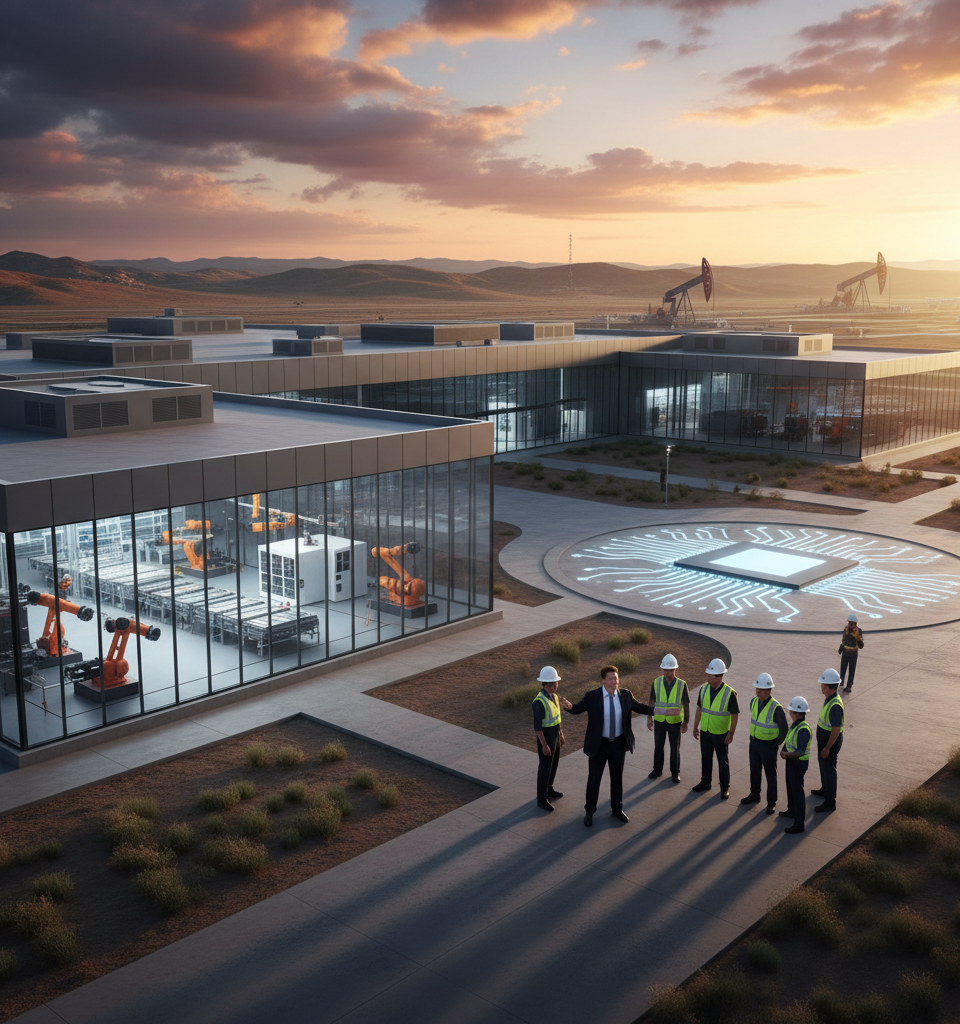
SpaceX, the aerospace and satellite communications giant, has formally initiated plans for a monumental $55 billion semiconductor fabrication facility in rural Texas. This strategic move, detailed in recent regulatory filings, marks a significant foray into chip manufacturing for Elon Musk's company and is set to bolster Texas's burgeoning role as a global semiconductor hub. The proposed Terafab project, operating in conjunction with SpaceX's existing chip packaging operations in Bastrop, could collectively elevate the state's total chipmaking investment to an unprecedented $119 billion.
Strategic Expansion into Semiconductor Manufacturing
This colossal investment underscores a growing trend of vertical integration among technology leaders and a broader national push for semiconductor independence. For years, the United States has grappled with supply chain vulnerabilities, particularly evident during the recent global chip shortages that crippled various industries. SpaceX's decision to commit such substantial capital to domestic chip production isn't merely a business expansion; it's a strategic imperative aimed at securing critical components for its diverse operations, including Starlink satellites and potentially advanced AI initiatives. The move places SpaceX alongside traditional chipmaking behemoths and reinforces the strategic importance of onshore manufacturing.
Unprecedented Investment and Scale
The filings indicate a planned investment of approximately $55 billion for the Terafab facility, a figure that rivals some of the largest semiconductor projects globally. This sum alone positions it as one of the most significant private industrial investments in recent memory. While SpaceX has yet to publicly disclose the specific process technology Terafab will utilize or an official construction timeline, the sheer scale of the investment suggests an ambition to produce advanced nodes, critical for high-performance computing and artificial intelligence applications. Combined with the previously established Bastrop packaging facility, the cumulative investment signifies a long-term commitment to establishing an integrated, end-to-end chip production ecosystem within Texas.
Impact on the Semiconductor Landscape
SpaceX's entry as a major chip manufacturer could profoundly impact the global semiconductor landscape. It introduces a new, highly capitalized player into a sector traditionally dominated by a few giants like TSMC, Samsung, and Intel. The move could spur increased competition, accelerate technological innovation, and potentially alleviate some of the supply chain pressures that have plagued the industry. Furthermore, it reinforces the trend of diversification in chip manufacturing, moving beyond the established Asian dominance and toward a more geographically distributed production model, particularly within the United States.
Expert Analysis and Future Implications
Industry analysts are keenly observing SpaceX's audacious move, with many highlighting the strategic rationale behind vertical integration for a company heavily reliant on sophisticated electronics. "SpaceX needs to control its destiny when it comes to mission-critical hardware," noted one prominent technology analyst, speaking on background. "Given their rapid innovation cycles and unique requirements for space-grade components, bringing chip production in-house makes immense strategic sense, despite the astronomical costs involved." The absence of disclosed process technology information has led to speculation, with some suggesting a focus on specialized chips for satellite communication, while others ponder a broader ambition to supply the burgeoning AI hardware market.
The Road Ahead for Texas and SpaceX
While the exact timeline for Terafab's construction and operational readiness remains under wraps, the regulatory filings signal that SpaceX is rapidly advancing its plans. The project is expected to create thousands of high-skilled jobs, further cementing Texas's reputation as a magnet for high-tech industries. This development, alongside other major investments from companies like Samsung and Texas Instruments in the state, envisions a future where Texas plays an even more central role in the global supply of semiconductors.
The integration of Terafab with the Bastrop packaging operations suggests a holistic approach to chip manufacturing, providing SpaceX with unprecedented control over its critical component supply chain as it continues to innovate in aerospace, satellite internet, and beyond. The coming months are expected to reveal more details about this transformative project, setting the stage for a new chapter in both SpaceX's corporate strategy and the American semiconductor industry.