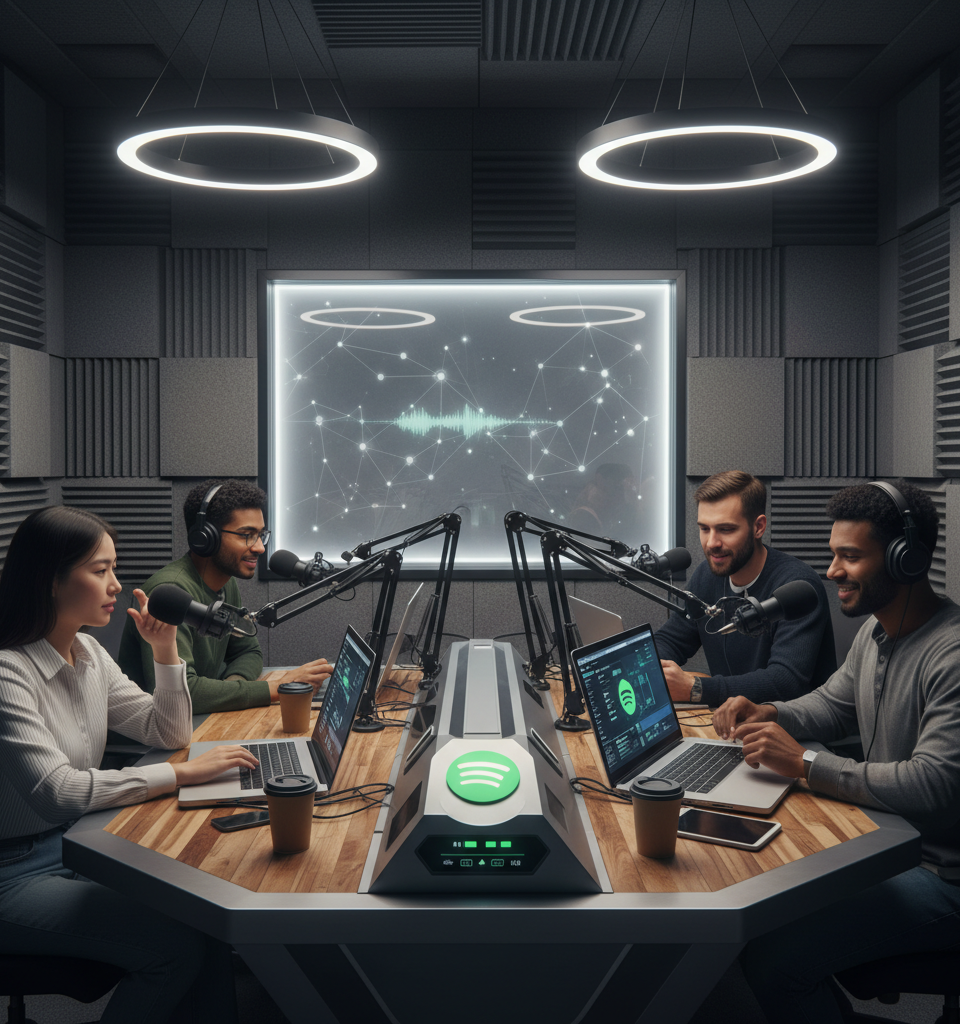
Spotify, the reigning global audio streaming giant, is embarking on a transformative initiative to integrate artificial intelligence deeply into its content ecosystem. The company recently disclosed its ambitious plans to allow users to generate and host podcasts directly from sophisticated AI frameworks such as Codex and Claude Code, positioning itself as a central hub for the next generation of audio creation. This strategic pivot underscores Spotify's intent to democratize podcasting further, providing its vast user base with cutting-edge tools to produce personalized, AI-driven audio experiences.
Context and Strategic Significance
This development arrives amidst a rapidly evolving digital media landscape, where AI is increasingly permeating content creation across various modalities. For Spotify, which boasts over 551 million monthly active users globally, this foray into AI-generated audio is not merely an enhancement but a fundamental redefinition of its content strategy. The company has historically invested heavily in exclusive podcast content and personalization algorithms. Its move now to embrace external AI models for content generation is a proactive response to the growing capabilities of AI in natural language processing and audio synthesis, aiming to capture an entirely new segment of creators and listeners.
Key Details and Functionality
The core functionality, as outlined by Spotify, will enable users to input prompts, scripts, or even raw ideas into AI models like OpenAI's Codex or Anthropic's Claude Code, which will then generate fully voiced, structured audio content. This content can subsequently be imported and hosted directly on the Spotify platform. While specific technical integration details are still emerging, the company emphasizes a seamless user experience, minimizing technical hurdles for creators. This initiative follows Spotify's earlier, albeit more limited, experiments with AI-voiced audiobooks and personalized DJ features, indicating a deliberate, phased approach to AI adoption. The company has not yet provided a definitive launch date but has indicated that trials with select creators are underway.
Industry and Market Impact
Spotify's embrace of AI-generated podcasts is poised to send ripples across the audio industry. It challenges traditional content creation models, potentially lowering the barrier to entry for aspiring podcasters who may lack professional recording equipment, voice talent, or extensive editing skills. This could lead to an exponential increase in the volume and diversity of available audio content. Competitors such as Apple Podcasts, Google Podcasts, and Amazon Music will be compelled to reassess their own AI strategies to remain competitive. Furthermore, it could significantly impact audio production houses and voice-over artists, necessitating a re-evaluation of their roles in an AI-assisted creative environment. The ultimate impact will depend on the quality, originality, and audience acceptance of AI-generated content.
Expert Perspectives and Analysis
Industry analysts view Spotify's move as both bold and necessary. "This is a logical next step for a company that has always pushed the boundaries of audio consumption," stated Sarah Jenkins, a senior media analyst at Digital Sound Insights. "By opening its platform to AI-generated content, Spotify isn't just adapting to technological change; it's actively shaping the future of audio." Concerns, however, linger regarding content moderation, intellectual property rights, and the potential for AI models to perpetuate biases found in their training data. "Ensuring ethical AI use and maintaining content quality will be paramount for Spotify's success," added Jenkins. The economic implications are also significant; if successful, this could unlock new revenue streams through advertising on AI-generated content and potentially new premium subscription tiers.
The Road Ahead: Future Implications
The full implications of Spotify’s AI pivot are still unfolding, but several future developments are anticipated. We can expect refined AI models offering more natural vocalizations, emotional range, and even multi-voice productions. The integration of real-time content generation, perhaps even live AI-driven commentary or news updates, is a distinct possibility.
Furthermore, the interplay between human creativity and AI augmentation will become a crucial area of exploration, as creators leverage AI for everything from brainstorming and scriptwriting to full-scale audio production. Spotify is clearly betting that the future of audio isn't just about human-made content, but a synergistic blend of human ingenuity and artificial intelligence, transforming how we listen and create on a global scale. The company will likely face ongoing challenges regarding content authenticity and the potential for misinformation, making robust moderation and transparency tools critical for long-term viability and trust.
This is merely the beginning of a new chapter in digital audio innovation.