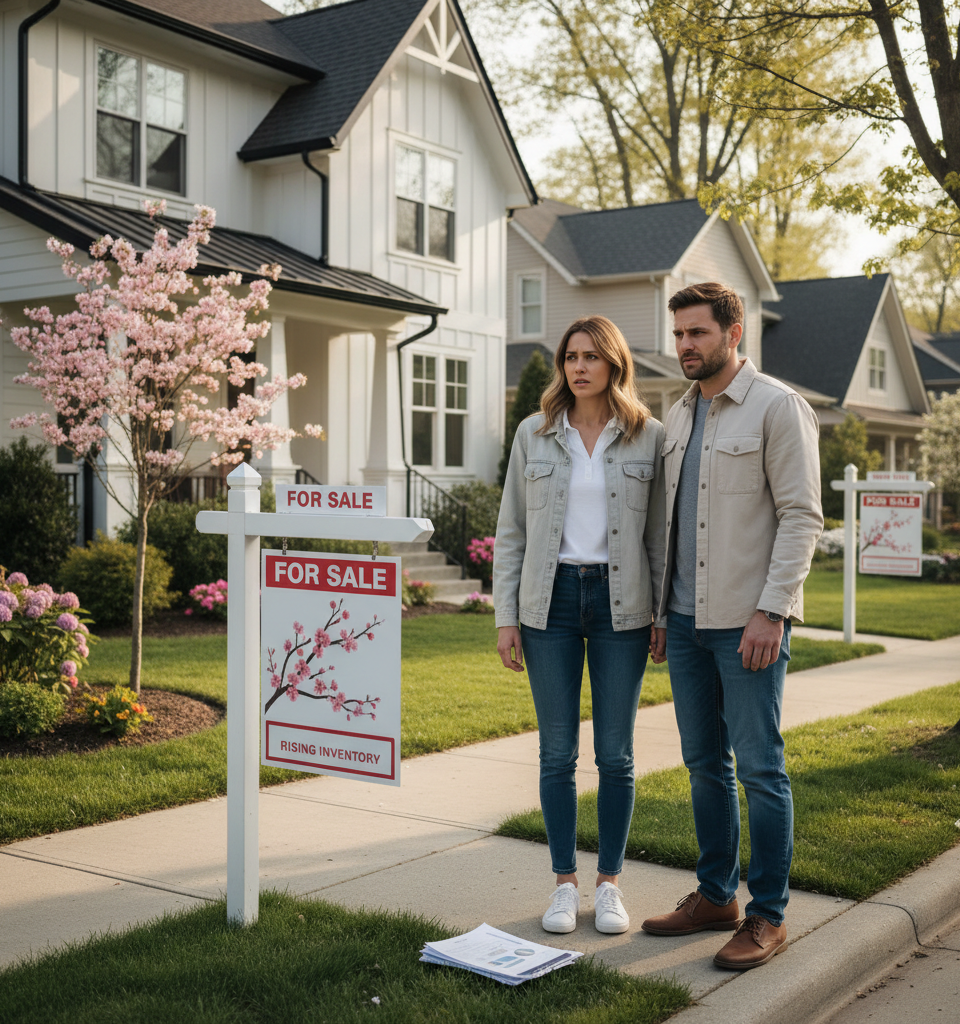
The spring 2026 housing market, typically a period of heightened activity, is experiencing an unprecedented psychological gridlock, with a widespread "fear of overpaying" among potential buyers stifling transactions. This phenomenon is occurring even as key market indicators, such as a substantial increase in housing inventory and a recent moderation in mortgage interest rates, suggest more favorable conditions for purchasing. Analysts point to a persistent disconnect between market fundamentals and buyer sentiment, creating a stagnant environment across major metropolitan and suburban areas.
The current market inertia offers a stark contrast to the frenzied buyer behavior observed during the pandemic-era boom, when historically low interest rates and limited supply fueled aggressive bidding wars and rapid price escalation. For many, that period solidified a perception of unsustainably high prices. Today's inventory levels are up approximately 12% over the same period last year, reaching around 1.1 million active listings nationwide. Concurrently, the average 30-year fixed mortgage rate, which peaked near 8% in late 2025, has since receded to an average of about 6.75%, making homeownership theoretically more accessible. However, this moderation has yet to translate into renewed buyer confidence, as memories of previous market highs continue to loom large.
Key data underscores this hesitation. Recent reports indicate that pending home sales have dipped by 3.7% month-over-month, contrary to seasonal expectations for growth. Furthermore, the median time a home spends on the market has subtly increased by two days, now averaging 32 days, suggesting a reduction in urgency among buyers. In specific markets, such as Austin, Texas, and Phoenix, Arizona, where price growth was particularly aggressive in prior years, anecdotal evidence suggests that some homes are experiencing multiple price reductions before attracting serious offers. A recent survey by the National Association of Realtors revealed that 68% of potential buyers expressed concern over current valuations, fearing a potential correction or future depreciation.
This psychological impasse naturally impacts the broader real estate industry. Lenders are reporting a slight decrease in mortgage applications, while real estate agents are dedicating more time to managing buyer expectations and demonstrating value amidst perceived market uncertainty. Homebuilders, who ramped up production in anticipation of surging demand, are now carefully monitoring sales rates and, in some cases, offering incentives to stimulate purchases. The broader economy also feels the ripple effect, as housing market sluggishness can dampen consumer confidence and reduce ancillary spending on home improvements, furnishings, and related services.
Expert analysis largely attributes the current market behavior to a combination of affordability fatigue and a learned caution. Dr. Emily Chen, a senior economist at Meridian Capital, stated this week, "Buyers weathered years of intense competition and soaring prices. Now, even with more inventory and lower rates, they're hesitant to pull the trigger, wary of buying at what they perceive to be the top of the market." She adds, "The sticker shock is deeply ingrained, and it will take a sustained period of stability, or even slight price moderation, to truly recalibrate expectations." Other analysts suggest that potential buyers are waiting for a more definitive signal that prices have stabilized or are on a downward trend before committing to one of life's largest financial decisions.
Looking ahead, the trajectory of mortgage rates will remain a critical factor. Should inflation continue to cool, allowing the Federal Reserve to implement interest rate cuts later in the year, this could provide a significant stimulus to buyer demand and potentially alleviate some of the "fear of overpaying." However, any such relief would also need to be accompanied by a psychological shift, perhaps driven by sustained stability in home prices or a more aggressive increase in inventory. Observers will be closely watching pending home sales and new construction starts over the next quarter for definitive signs of market direction. Without a clear catalyst to shift buyer psychology, the housing market may remain in this delicate balance, prioritizing caution over immediate action.
Further developments in the second half of 2026 will be instrumental in determining whether this period of buyer hesitancy is a temporary pause or indicative of a longer-term reassessment of housing valuations. The interplay between economic policy, inflationary pressures, and evolving consumer sentiment will ultimately shape the market's path forward, making the upcoming summer and fall selling seasons particularly insightful.